ℹ️ About North Rhine-Westphalia
North Rhine-Westphalia is Germany's most populous state, stretching from the Rhineland through the former industrial Ruhr area to the Teutoburg Forest. The region combines industrial heritage with Gothic architecture and a lively music and art scene.
Top Destinations in North Rhine-Westphalia
Cologne Cathedral, a UNESCO World Heritage Site and one of the world's best-known Gothic cathedrals, dominates Cologne's skyline. The Ruhr area, with the Zollverein Coal Mine in Essen, vividly shows the transformation from industrial region to cultural landscape. Düsseldorf charms with its old town along the "longest bar in the world" and modern architecture at the Media Harbour.
Practical Travel Tips for North Rhine-Westphalia
Cologne and Düsseldorf both have their own airports, and the region is one of Germany's most densely connected by rail and motorway. It can be visited year-round. The currency is the euro.
Good to Know about North Rhine-Westphalia
With around 18 million residents, North Rhine-Westphalia is Germany's most populous state and home to the Ruhr area, one of Europe's largest connected urban regions. The region has an exceptionally high density of museums, particularly for modern art. Carnival, especially in Cologne and Düsseldorf, also shapes the region's cultural life significantly.
Cities in North Rhine-Westphalia
Things to Do in North Rhine-Westphalia 2026/2027
Aquazoo Löbbecke Museum
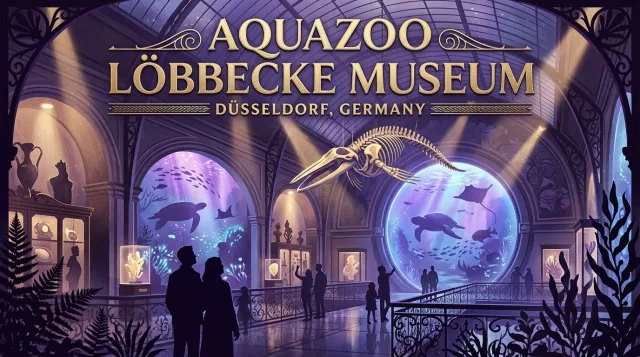
The Aquazoo Löbbecke Museum in Düsseldorf's Nordpark combines a zoo, aquarium and natural history museum under one roof, home to around 6,000 animals from more than 570 species.
Bilderbuchmuseum
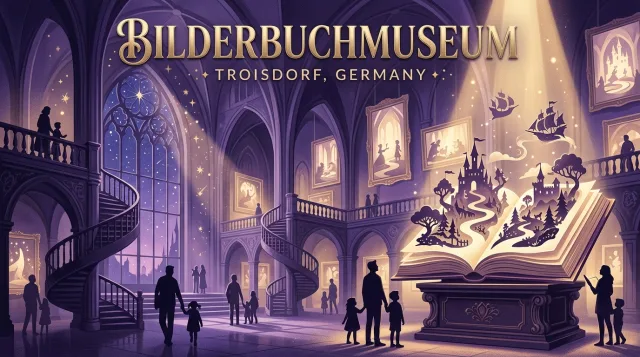
The Bilderbuchmuseum in Burg Wissem, Troisdorf, is Europe’s only specialised museum for picture-book illustration, offering collections, temporary exhibitions and a large reference library to explore.
Bundeskunsthalle
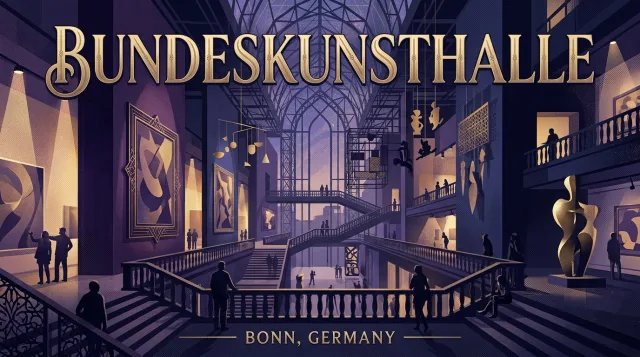
Visit Bundeskunsthalle in Bonn and discover exhibitions, architecture, opening hours, ticket prices, public transport and nearby attractions.
Classic Remise Düsseldorf
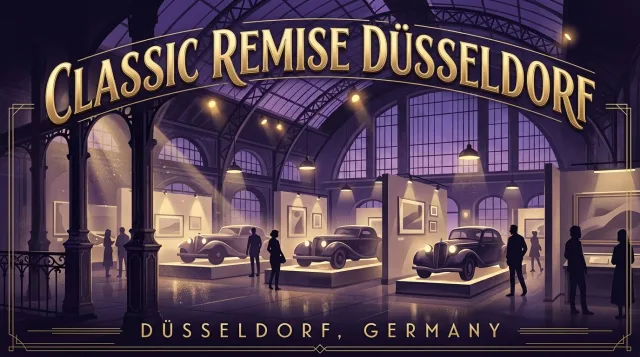
Set inside a restored 1930s roundhouse locomotive shed, Classic Remise Düsseldorf combines vintage car workshops, dealers and glass showcase displays under one roof - free admission.
Deutsches Sport & Olympia Museum
The Deutsches Sport & Olympia Museum in the Rheinauhafen harbour displays around 2,000 objects on sport history from antiquity to today across 2,700 square metres, with hands-on stations and two playing fields on the roof.
Duftmuseum im Farina-Haus
The Duftmuseum im Farina-Haus sits at the birthplace of genuine Eau de Cologne from 1709 and tells the story of the world's oldest family of perfumers.
Filmmuseum Düsseldorf
Filmmuseum Düsseldorf, in the Palais Wittgenstein, presents the history of cinema across roughly 2,200 square metres, from early optical devices to digital special effects, complemented by the Black Box arthouse cinema.
Fischereimuseum Bergheim an der Sieg
The Fischereimuseum Bergheim an der Sieg presents the more than 1,000-year history of the Fishing Brotherhood and the culture of inland fishing on the Sieg and in the Siegaue nature reserve.
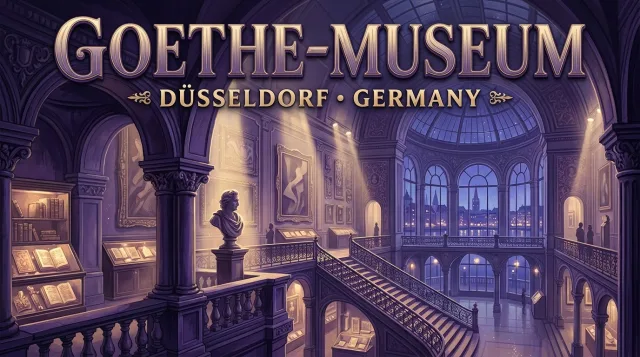
Goethe-Museum
Housed in Schloss Jägerhof, the Goethe-Museum holds around 50,000 objects related to Johann Wolfgang von Goethe, including manuscripts, letters, artworks and an extensive research library.
Haus der Geschichte
Haus der Geschichte in Bonn explores German history since 1945 through more than 3,800 historical objects, interactive exhibitions and personal stories. Admission is free, making it an excellent cultural attraction on Bonn's Museumsmeile.
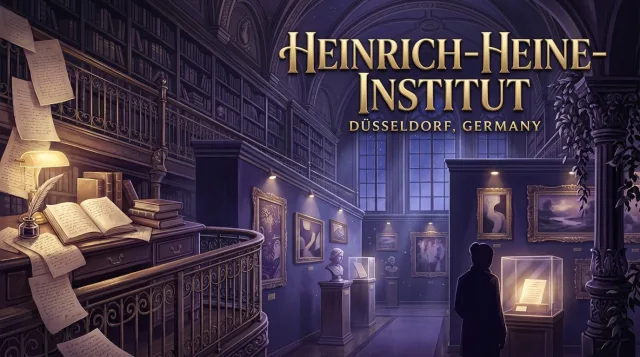
Heinrich-Heine-Institut
On Bilker Straße, the Heinrich-Heine-Institut explores the life and work of poet Heinrich Heine through its archive, research library and the permanent exhibition "Romantik und Revolution".
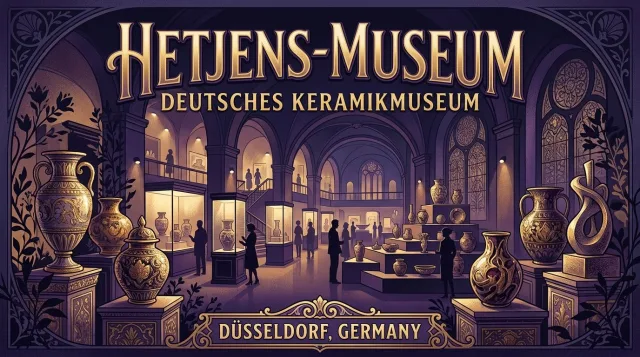
Hetjens-Museum / Deutsches Keramikmuseum
Housed in the Palais Nesselrode in the Carlstadt district, the Hetjens-Museum presents roughly 8,000 years of ceramic history from around the world, from East Asian porcelain to contemporary pottery.
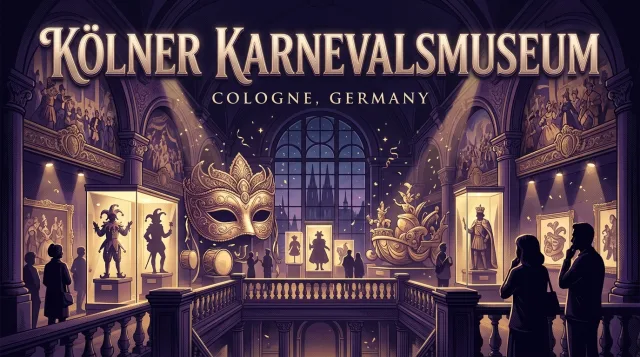
Kölner Karnevalsmuseum
The Kölner Karnevalsmuseum in Ehrenfeld showcases more than 200 years of Cologne Carnival history and culture across over 1,400 square meters.
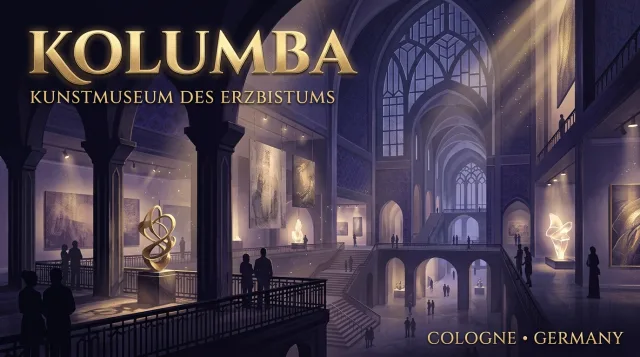
Kolumba – Kunstmuseum des Erzbistums
Kolumba is the art museum of the Archdiocese of Cologne, a Peter Zumthor-designed building rising above the ruins of St. Kolumba church, with a collection spanning late antiquity to the present reinstalled anew each year.
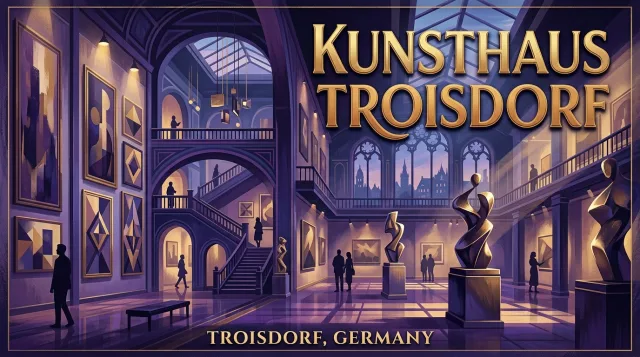
Kunsthaus Troisdorf
The Kunsthaus Troisdorf is the centre of the independent art and music scene with studios, a municipal gallery, exhibitions and concerts.
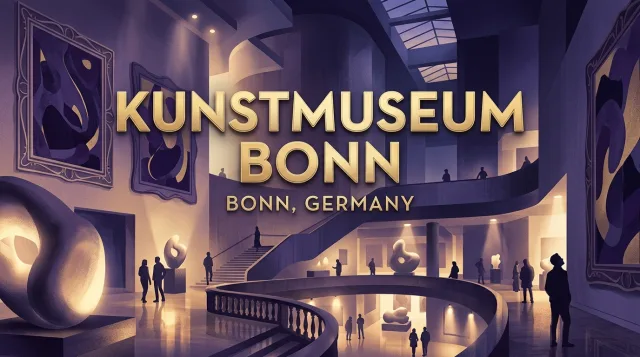
Kunstmuseum Bonn
Kunstmuseum Bonn features around 9,000 artworks, including important works by August Macke, Rhenish Expressionists and leading German artists after 1945. Discover modern art, temporary exhibitions and remarkable architecture on Bonn's Museumsmeile.
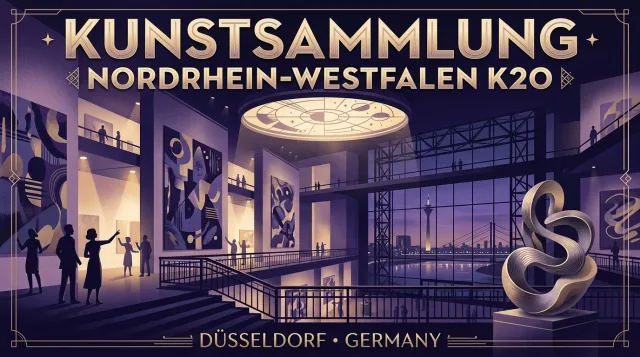
Kunstsammlung Nordrhein-Westfalen K20
Kunstsammlung Nordrhein-Westfalen K20 on Grabbeplatz houses one of the world's largest Paul Klee collections alongside major works by Picasso, Matisse and Warhol in a striking black granite building.
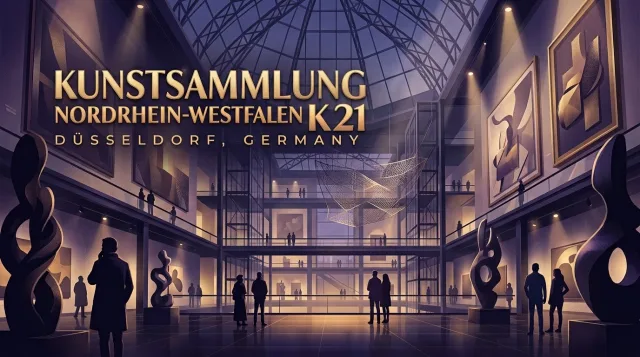
Kunstsammlung Nordrhein-Westfalen K21
Kunstsammlung Nordrhein-Westfalen K21, in the historic Ständehaus, presents international contemporary art beneath a spectacular glass dome featuring Tomás Saraceno's walkable installation "in orbit".
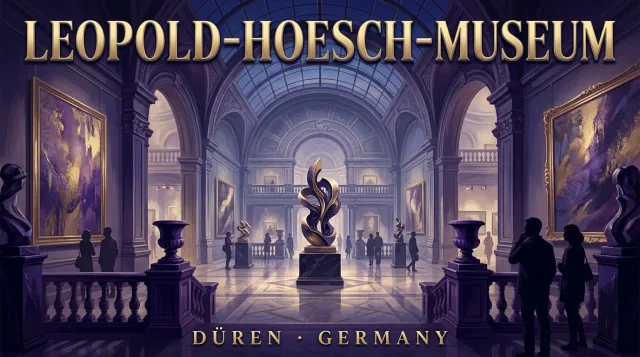
Leopold-Hoesch-Museum
The Leopold-Hoesch-Museum on Hoeschplatz in Düren presents major works of German Expressionism and international paper art inside a historic 1905 building with a modern extension.
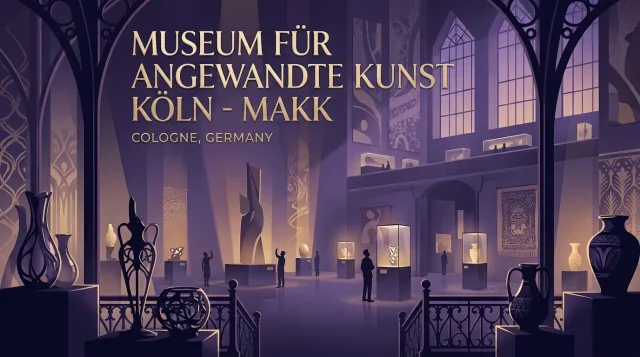
Museum für Angewandte Kunst Köln - MAKK
The Museum für Angewandte Kunst Köln - MAKK has shown applied arts and design from the Middle Ages to today since 1888, with permanent exhibitions "Kunst + Design im Dialog" and "Faszination Schmuck. 7000 Jahre Schmuckkunst im MAKK."
Museum Koenig
Museum Koenig in Bonn explores the planet's biodiversity through realistic habitats, historic dioramas and interactive exhibitions. Discover African savannahs, tropical rainforests, polar wildlife and aquatic ecosystems, with admission starting at €6.00.
Museum Kunstpalast
Museum Kunstpalast at the Ehrenhof brings together old masters such as Rubens, the world-famous Hentrich glass collection and modern art under one roof on the banks of the Rhine.
Museum Ludwig
Right next to Cologne Cathedral, Museum Ludwig combines one of the world's largest Picasso collections with Pop Art by Andy Warhol and a major photography collection.
MUSIT - Museum für Stadt- und Industriegeschichte
The MUSIT - Museum für Stadt- und Industriegeschichte in Troisdorf presents the city’s urban and industrial history since 1800 with a special focus on the plastics industry.
NS-Dokumentationszentrum im EL-DE-Haus
The NS-Dokumentationszentrum im EL-DE-Haus, the former Cologne Gestapo headquarters, documents the Nazi era in Cologne with its original preserved prison cells.
Papiermuseum Düren
An interactive museum celebrating Düren centuries-old papermaking tradition, featuring over 30,000 historic watermarked papers and hands-on workshops.
Portal Wahner Heide
The Portal Wahner Heide at Burg Wissem in Troisdorf is the free information centre for the species-rich Wahner Heide nature reserve with an interactive exhibition and direct access to the heath.
Rautenstrauch-Joest-Museum
The Rautenstrauch-Joest-Museum on Neumarkt is one of Germany's largest ethnological museums, holding around 60,000 objects from Africa, Asia, the Americas and Oceania alongside a critical examination of its own colonial collecting history.
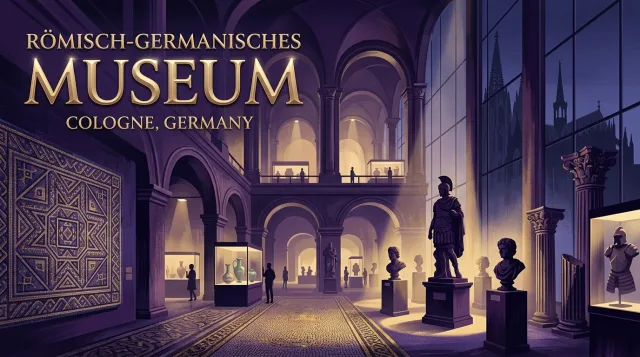
Römisch-Germanisches Museum
The Römisch-Germanisches Museum displays the famous Dionysus Mosaic and Roman treasures from Colonia - currently shown on a temporary basis at the Belgisches Haus near Neumarkt.
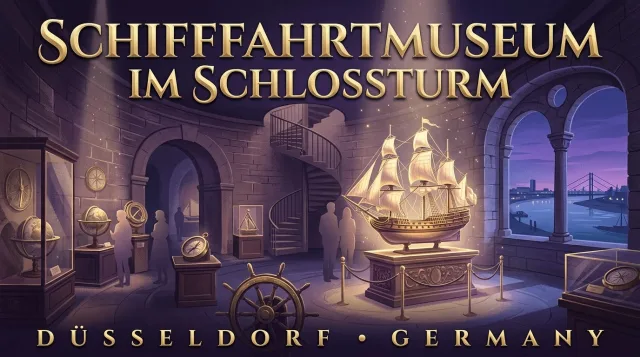
Schifffahrtmuseum im Schlossturm
Housed in the historic Schlossturm on the Rhine embankment, this maritime museum traces the history of Rhine navigation through ship models and original navigation instruments.
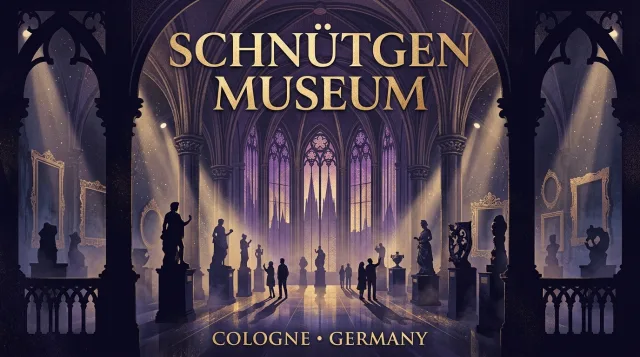
Schnütgen Museum
The Schnütgen Museum on Cäcilienstraße displays medieval Christian art inside the Romanesque Cäcilienkirche, from ivory carvings to stained glass, based on Alexander Schnütgen's 1906 donation to the city of Cologne.
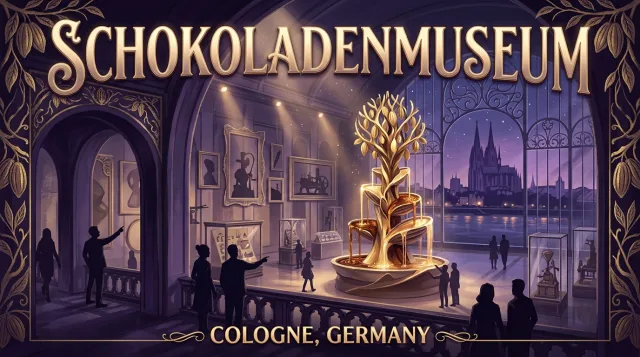
Schokoladenmuseum
At the glass Schokoladenmuseum in the Rheinauhafen, visitors experience the story of chocolate firsthand - from the cacao bean to the Lindt chocolate fountain.
Stadtmuseum Düren
A volunteer-run city museum on Arnoldsweilerstraße that presents the history of Düren chronologically from the year 747 to the present day.
Wallraf-Richartz-Museum & Fondation Corboud
The Wallraf-Richartz-Museum & Fondation Corboud showcases European painting from the Middle Ages to Impressionism, from Stefan Lochner to Claude Monet, in the heart of Cologne's old town.
4711 Stammhaus in der Glockengasse
The 4711 Stammhaus in der Glockengasse is the historic birthplace of the world-famous Eau de Cologne, now home to a fragrance house with a museum, fountain and guided tours.
Bayenturm
The Bayenturm is an imposing, roughly 35-metre-high defensive tower of Cologne's medieval city wall at Rheinauhafen, now home to the FrauenMediaTurm, a feminist archive.
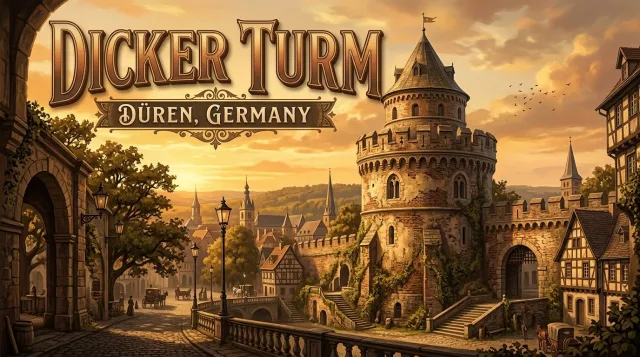
Dicker Turm
A round watchtower built in 1493 on the grounds of the Stiftisches Gymnasium, one of the last surviving parts of Düren medieval city wall.
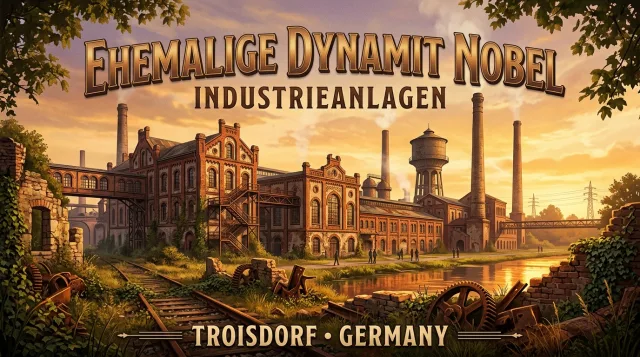
Ehemalige Dynamit Nobel Industrieanlagen
The Ehemalige Dynamit Nobel Industrieanlagen in Troisdorf are a historic industrial site with a long explosives and plastics tradition, today partly used as IndustrieStadtpark and not publicly accessible.
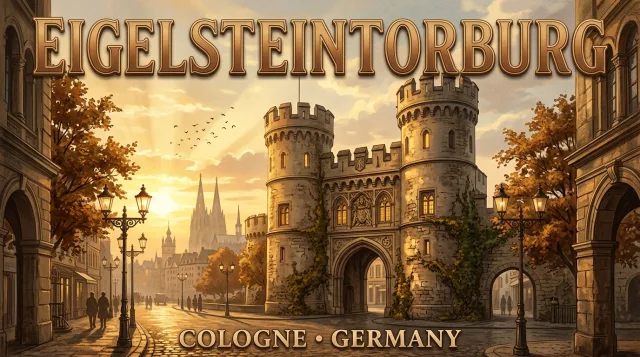
Eigelsteintorburg
Eigelsteintorburg is one of three surviving medieval gate towers of Cologne's former city wall, standing prominently at Ebertplatz in Altstadt-Nord.
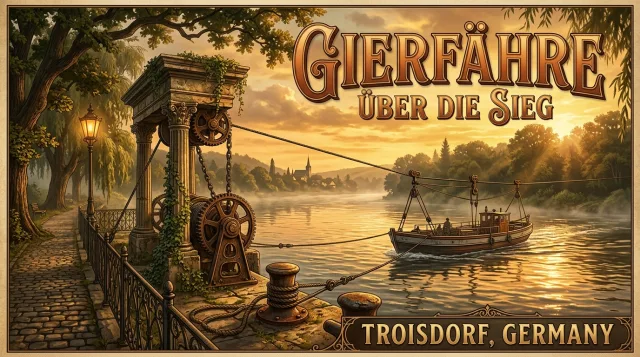
Gierfähre über die Sieg
The Gierfähre über die Sieg is one of the last one-man reaction ferries in Germany and connects Troisdorf-Bergheim with Bonn in the Siegaue.
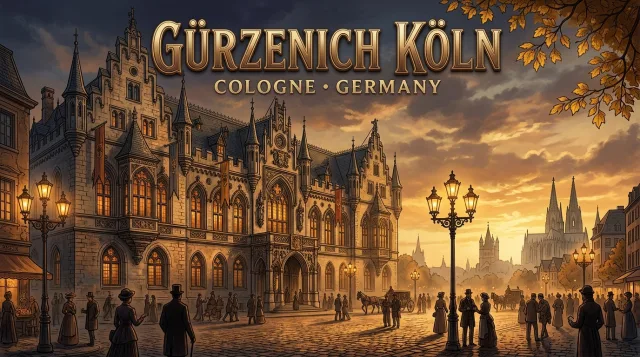
Gürzenich Köln
Gürzenich Köln is a 15th-century late-Gothic festival hall and remains one of the city's most important event venues and carnival landmarks.
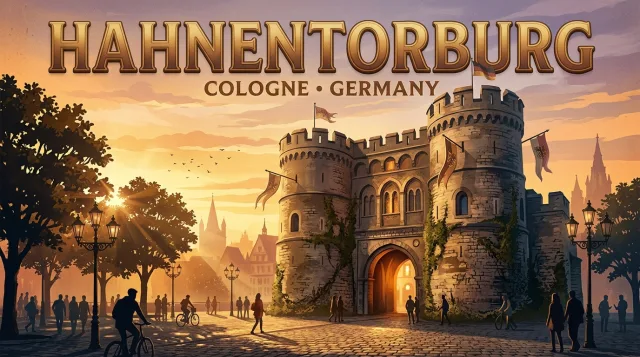
Hahnentorburg
Hahnentorburg on Rudolfplatz is one of only a few surviving medieval city gates of Cologne, once the ceremonial entrance for newly crowned kings.
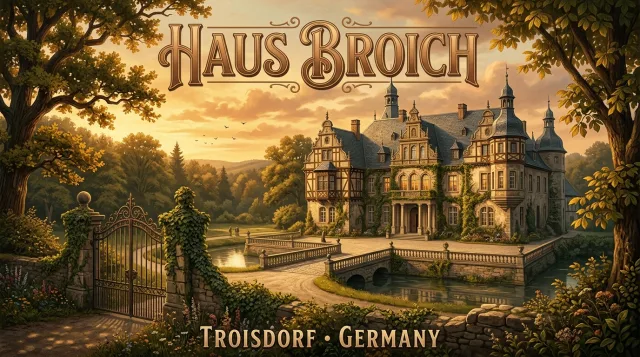
Haus Broich
Haus Broich in Troisdorf-Spich is a listed late-Renaissance manor house with adjoining park that can be viewed from the outside and in the park.
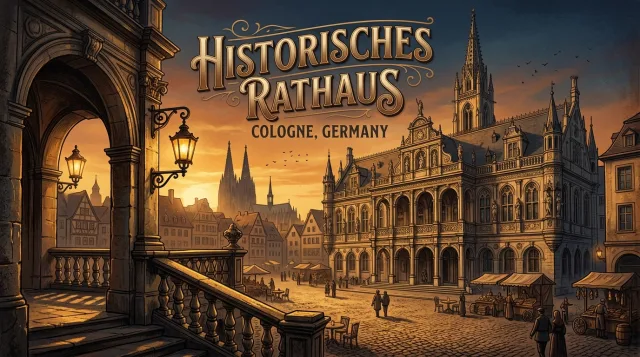
Historisches Rathaus
Historisches Rathaus on Rathausplatz is considered Germany's oldest city hall, combining a Gothic tower, a Renaissance loggia and the Spanischer Bau in one complex.
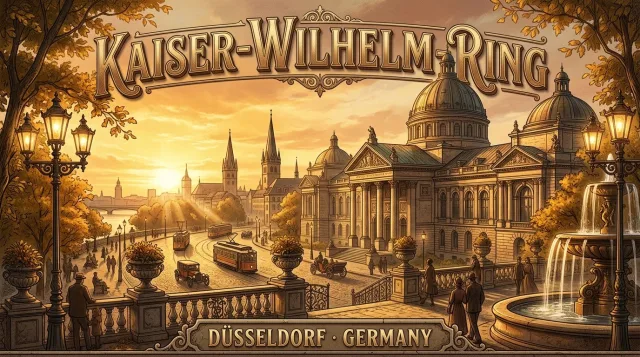
Kaiser-Wilhelm-Ring
One of Oberkassel's finest streets: the Kaiser-Wilhelm-Ring impresses with its densely preserved Gründerzeit and Jugendstil facades from around 1900.
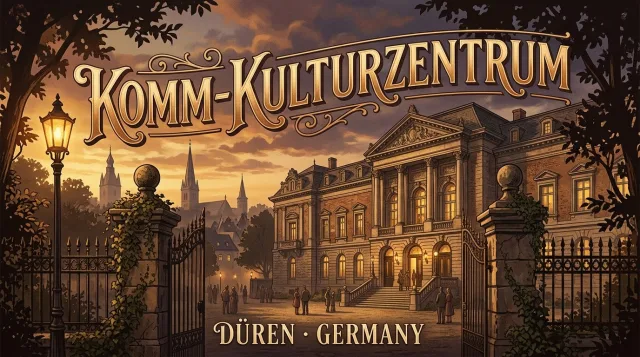
Komm-Kulturzentrum
A socio-cultural center housed in the historic Pleußmühle, documented since 1261, hosting concerts, comedy, and workshops since 1992.
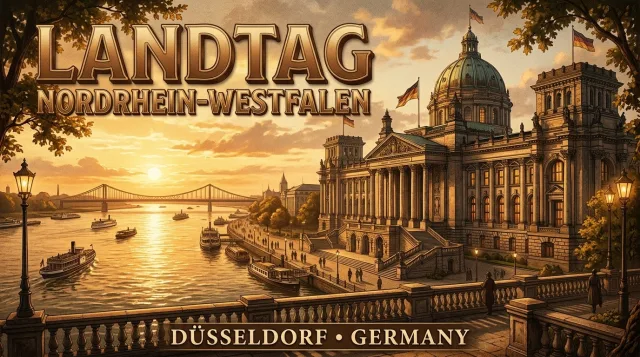
Landtag Nordrhein-Westfalen
Completed in 1988, the Landtag Nordrhein-Westfalen impresses with its circular architecture right on the Rhine, at the edge of the modern Medienhafen district.
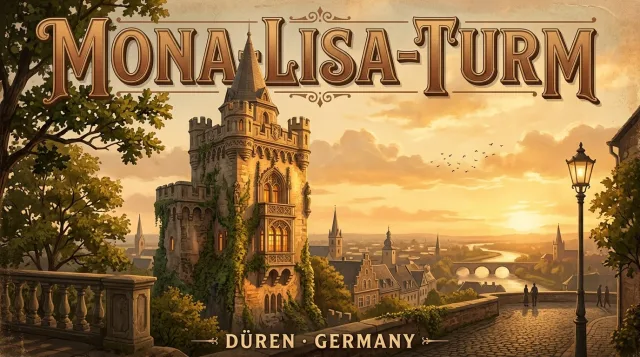
Mona-Lisa-Turm
A small brick tower in Schillingspark in Gürzenich, built in the 19th century using a sandstone lintel dated 1555 from the demolished Burg Gürzenich castle.
Neuer Zollhof
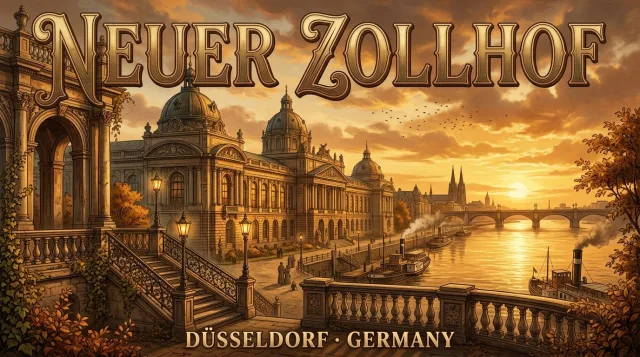
Frank Gehry's three sculptural office buildings in the Medienhafen are among Düsseldorf's most photographed landmarks.
Overstolzenhaus
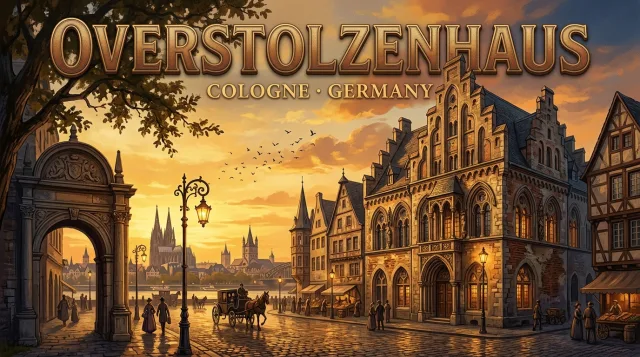
Overstolzenhaus on Rheingasse is one of the oldest surviving patrician houses in Germany, built around 1230.
Rathaus Düren
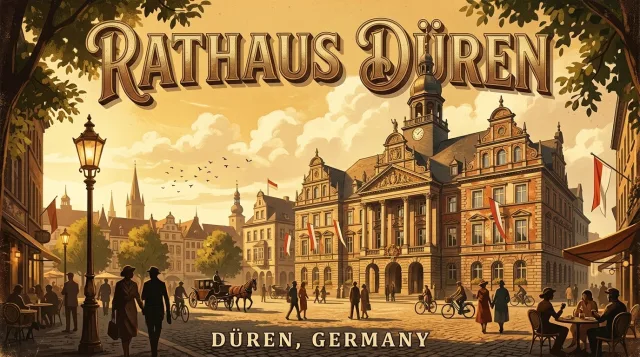
A listed 1950s town hall with a distinctive clock tower and mosaic coat of arms, built after its historic predecessor was destroyed in 1944.
Rathaus Düsseldorf
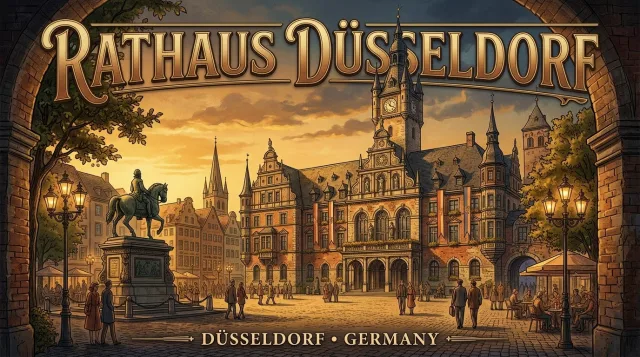
Düsseldorf's historic Rathaus on Marktplatz combines Renaissance, Baroque, and postwar architecture and remains the seat of the city administration today.
Ratinger Tor
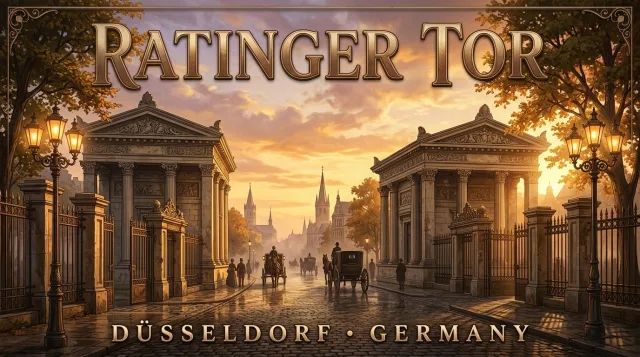
Düsseldorf's last surviving city gate: the neoclassical Ratinger Tor, built 1811-1815, marks the transition from the Altstadt to the Hofgarten park.
Römergrab
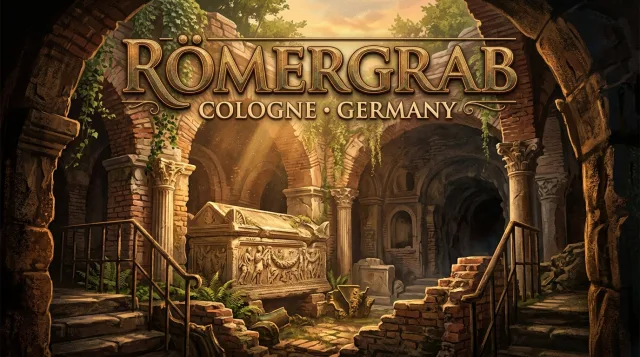
The Römergrab in Cologne's Weiden district is one of the best-preserved Roman burial chambers north of the Alps, offering a rare and direct glimpse into Cologne's ancient burial culture.
Rotes Haus
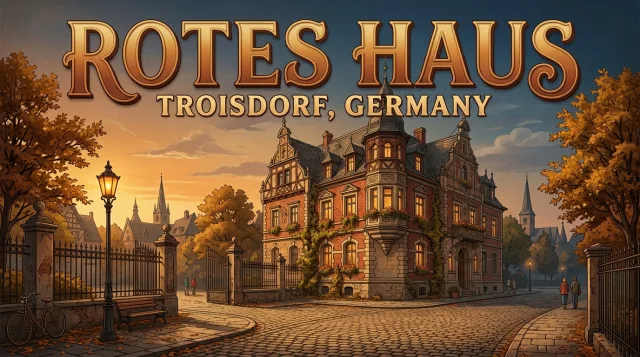
The Rotes Haus is not a publicly accessible museum in Troisdorf; the listed Rote Kolonie and other historic buildings of the city are worth seeing.
Severinstorburg
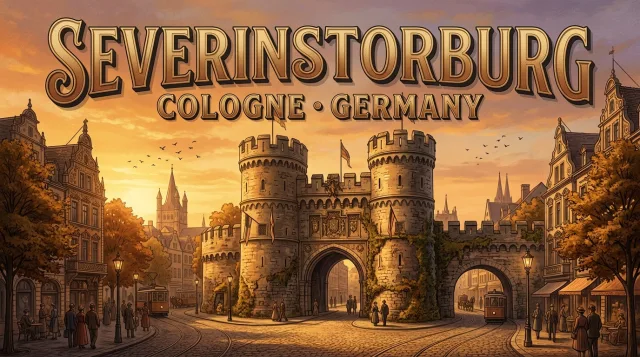
The Severinstorburg on Chlodwigplatz is one of only four surviving medieval city gates of Cologne, now home to a Carnival society and the city's registry office annex.
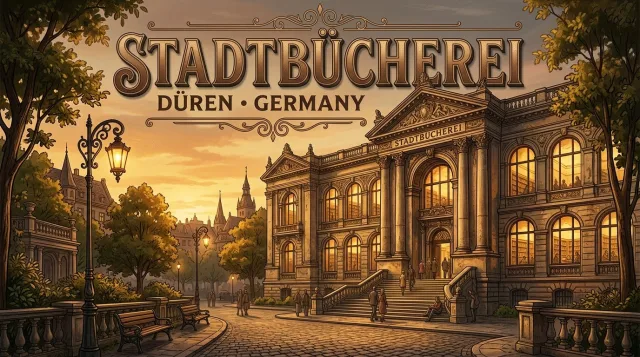
Stadtbücherei
The oldest city library in the Rhineland, founded in 1870, now housed in the Haus der Stadt built in 1991 with around 62,000 items and a modern lounge atmosphere.
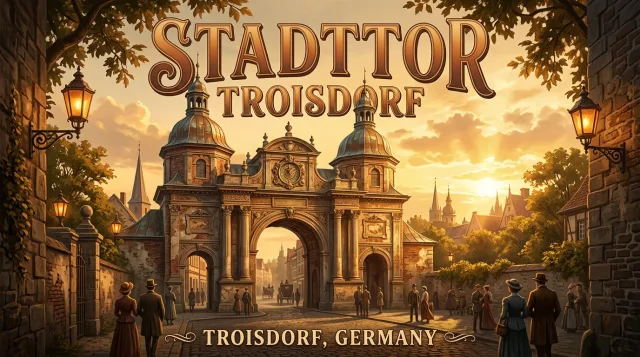
Stadttor Troisdorf
The Stadttor Troisdorf comprises the two modern art gates by Bandau and Bonato at the ends of the pedestrian zone and is freely accessible at any time.
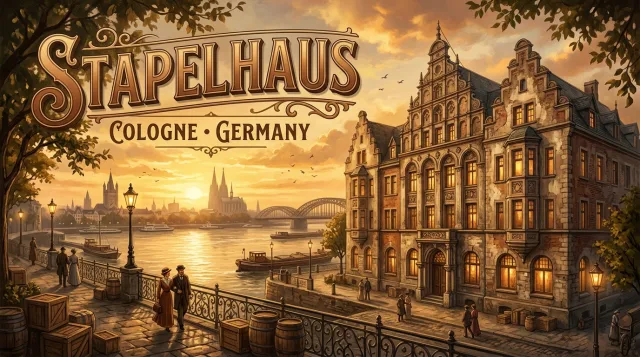
Stapelhaus
The Stapelhaus on Frankenwerft is a historic Cologne trading building that recalls the city's medieval staple right, its distinctive stair tower shaping the Rhine riverfront.
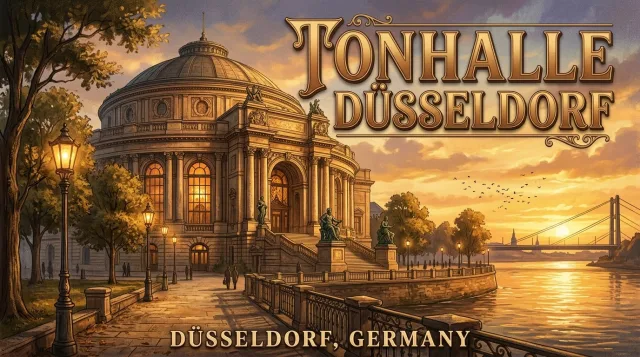
Tonhalle Düsseldorf
Originally built as a planetarium in 1925/26, this circular building is now home to the Düsseldorfer Symphoniker and one of Europe's most unusual concert halls.
Ulrepforte
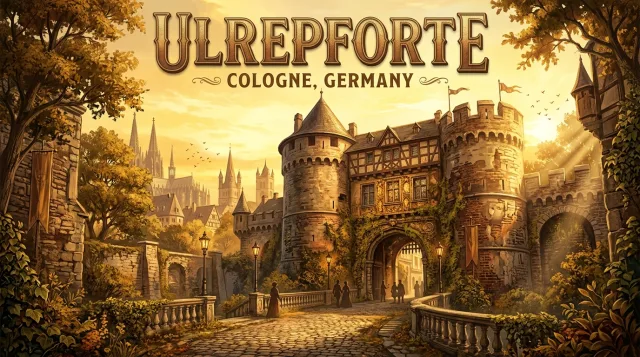
The Ulrepforte is a surviving section of Cologne's medieval city wall in Altstadt-Süd and the site of a legendary battle in 1268, today home to a carnival society.
Wilhelm-Marx-Haus
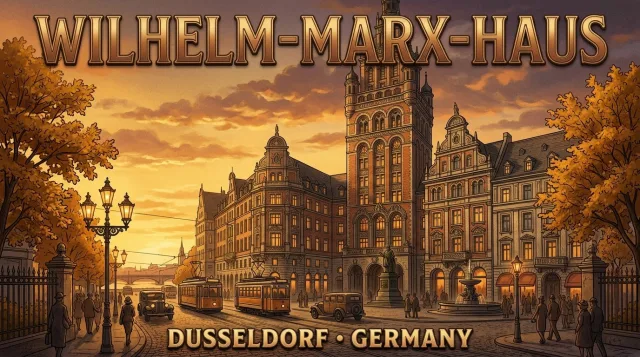
One of Europe's first skyscrapers: built in 1922-1924, the Wilhelm-Marx-Haus impresses with its brick-expressionist facade in the heart of Düsseldorf's Altstadt.
Annakirche
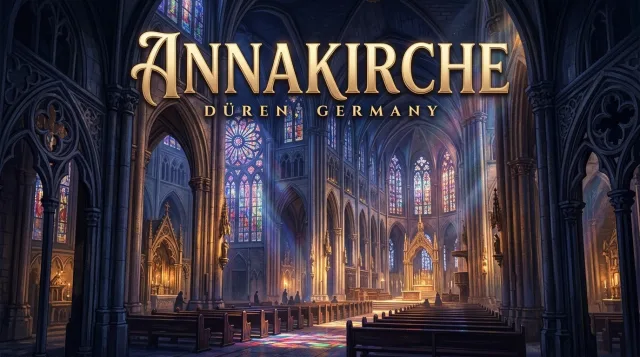
The Annakirche is Düren's important pilgrimage church of St. Anna, rebuilt in 1954–1956 to designs by Rudolf Schwarz and home to the relic of Saint Anna.
Antoniterkirche
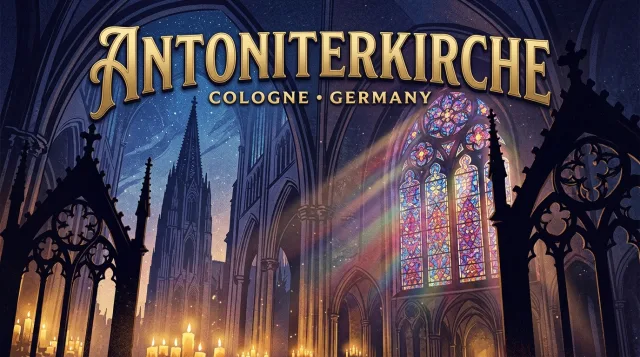
Antoniterkirche, a Gothic church on Schildergasse, was Cologne's first Protestant church and houses Ernst Barlach's world-famous memorial sculpture "Der Schwebende".
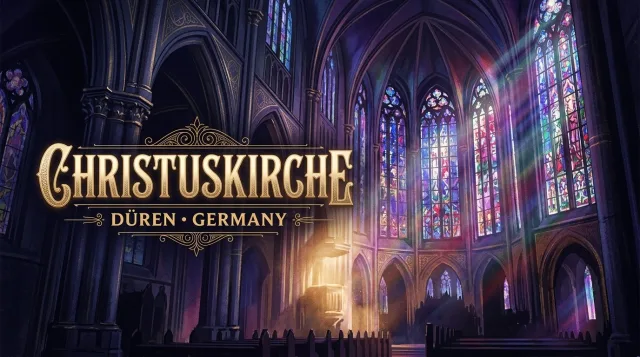
Christuskirche
The Christuskirche is Düren's most important Protestant church, built in 1953/54 to designs by Hentrich and Petschnigg and known for its once-tallest free-standing church tower in Germany.
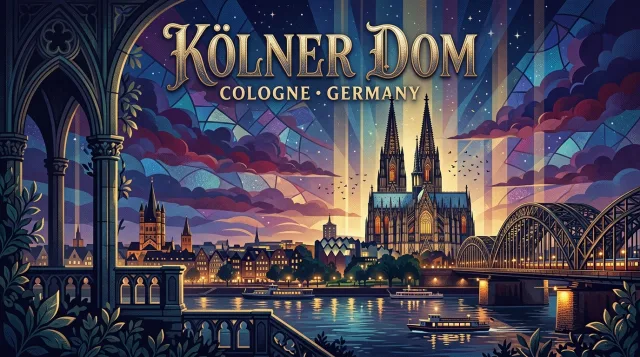
Cologne Cathedral
This Gothic cathedral on the Rhine, home to the Shrine of the Three Kings, is Cologne's UNESCO World Heritage landmark and one of Germany's most visited sights.
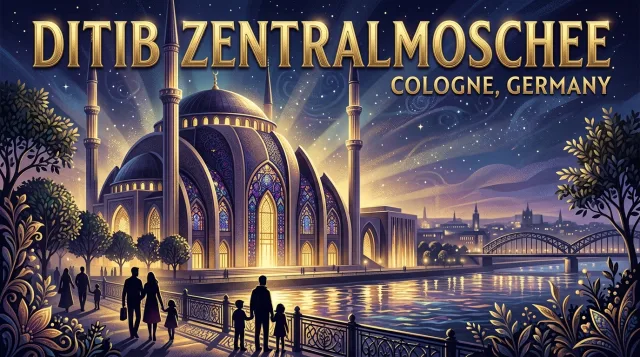
DITIB Zentralmoschee
The DITIB Zentralmoschee in Cologne's Ehrenfeld district impresses with its glass dome and two 55-meter minarets as one of Germany's largest mosques.
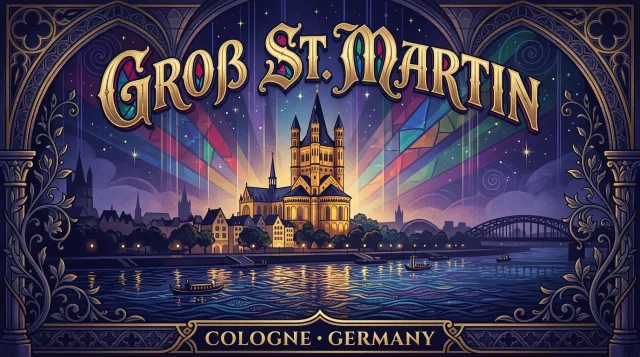
Groß St. Martin
This Romanesque church with its striking crossing tower shapes, together with Cologne Cathedral, the famous Rhine skyline of Cologne's old town.
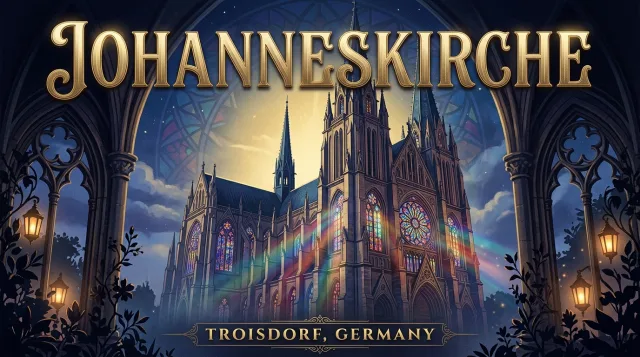
Johanneskirche
The Johanneskirche in Troisdorf-Mitte is the Protestant town church in neo-Romanesque style, remodelled into an open multifunctional church with a church café.
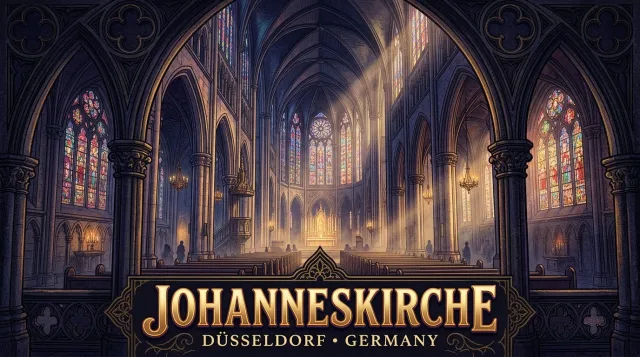
Johanneskirche
Düsseldorf's largest Protestant church on Martin-Luther-Platz blends Romanesque Revival architecture with modern Citykirche life and a café.
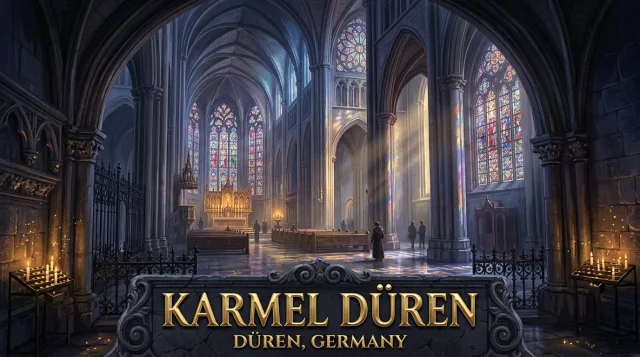
Karmel Düren
Karmel Düren is the monastery of the Discalced Carmelite nuns on Kölner Landstraße, established in 1903, known for its monastic bookbindery and the monastery church consecrated in 1913.
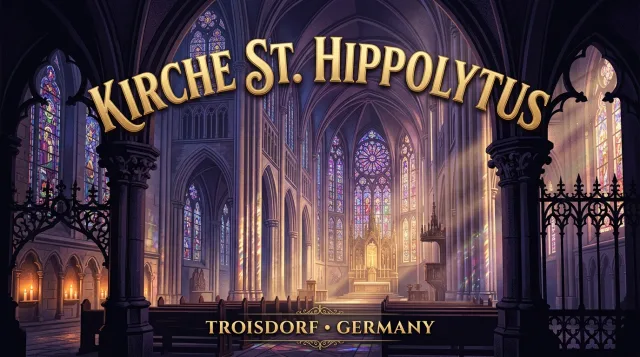
Kirche St. Hippolytus
The Kirche St. Hippolytus in Troisdorf-Mitte is the Catholic parish church with a history of more than 1,000 years, a Romanesque baptismal font and a well-known root nativity.
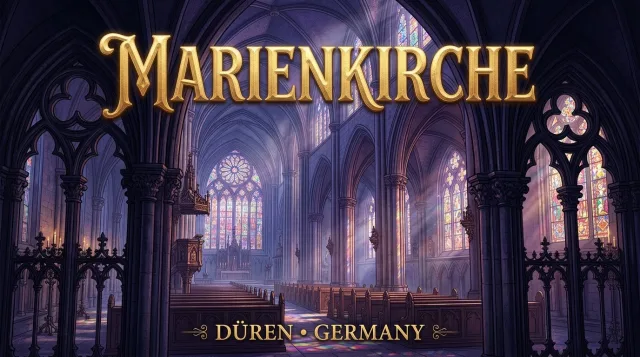
Marienkirche
The Marienkirche is the historic church of St. Marien on Hoeschplatz in Düren, rebuilt in 1949 after its destruction in 1944 and today a subsidiary church of the St. Lukas parish.
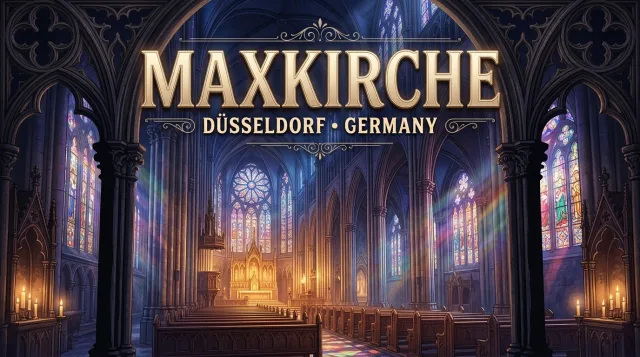
Maxkirche
The late Baroque Maxkirche in Carlstadt is famous for its outstanding acoustics and houses a faithfully reconstructed 18th-century organ.
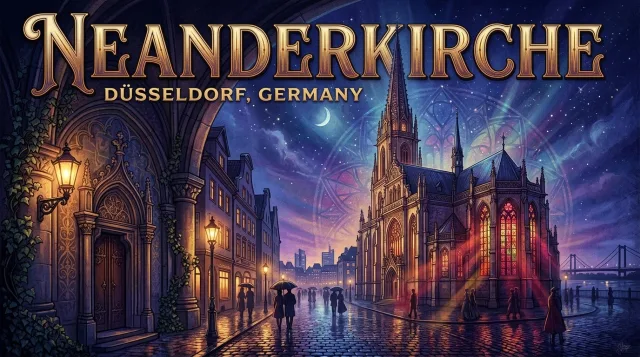
Neanderkirche
The Neanderkirche is a 17th-century Baroque courtyard church hidden in the heart of Düsseldorf's Altstadt, named after the hymn writer Joachim Neander.
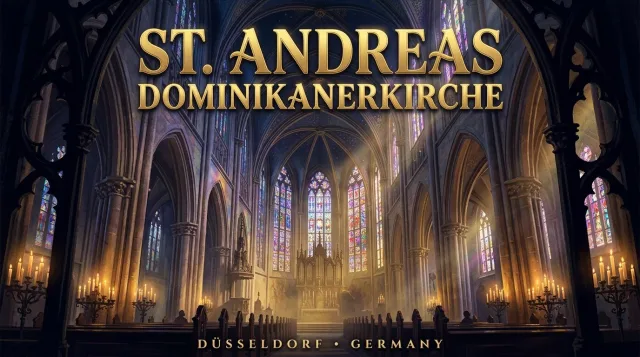
St. Andreas Dominikanerkirche
Behind a plain brick facade hides a magnificent Baroque church with rich stucco work, a princely mausoleum, and an active Dominican monastery.
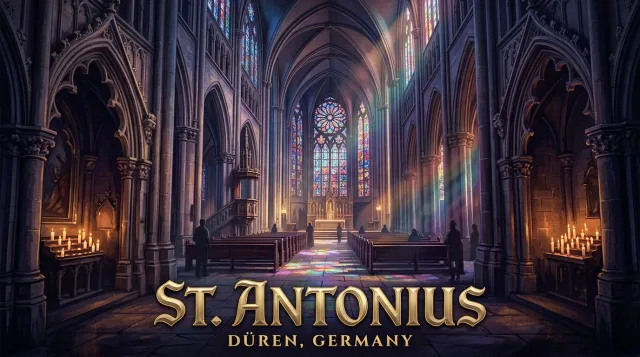
St. Antonius
St. Antonius is the Catholic church of the Grüngürtel district, rebuilt in 1973–1975 to designs by Matthias Kleuters and known for its stained-glass windows by Ludwig Schaffrath.
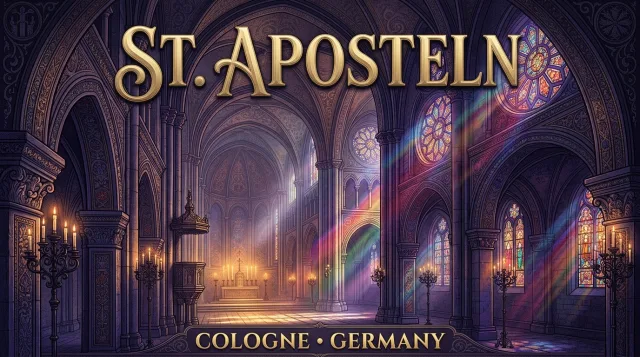
St. Aposteln
St. Aposteln is one of Cologne's twelve great Romanesque churches on Neumarkt, known for its distinctive trefoil choir and roughly 67-metre west tower.
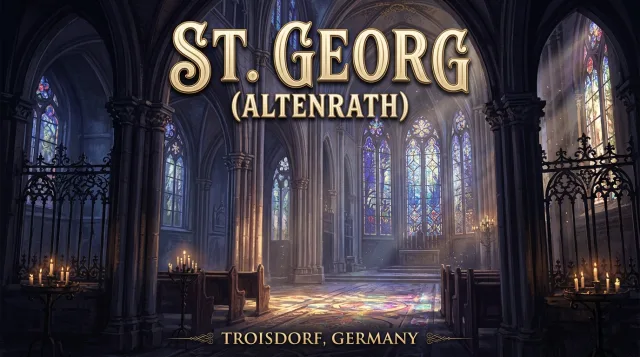
St. Georg (Altenrath)
The St. Georg (Altenrath) in Troisdorf is a Romanesque pillar basilica from the mid-12th century and one of the oldest places of worship in the region.
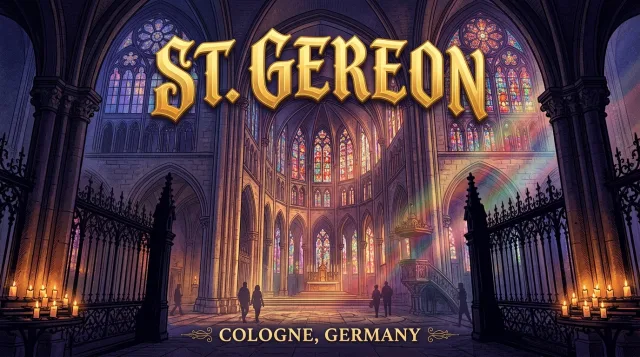
St. Gereon
St. Gereon is one of Cologne's twelve great Romanesque churches, famous for its unique 13th-century decagon built over a late antique oval core.
St. Joachim
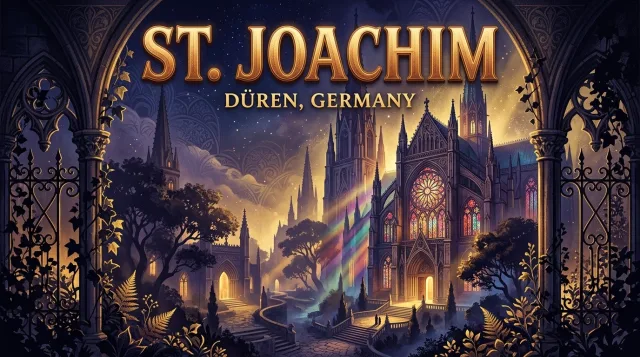
St. Joachim is a Neoromanesque brick church built 1895–1897 in northern Düren, restored between 1976 and 1988 after wartime damage and still used today as a subsidiary church.
St. Josef
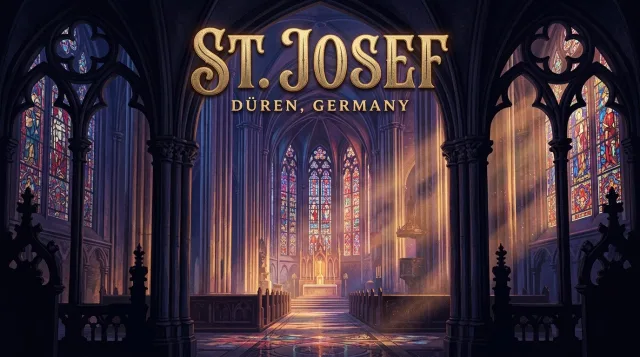
St. Josef is a brick church built in 1937/1938 in southern Düren, one of the few churches in the city to survive the Second World War unscathed with its original windows intact.
St. Kunibert
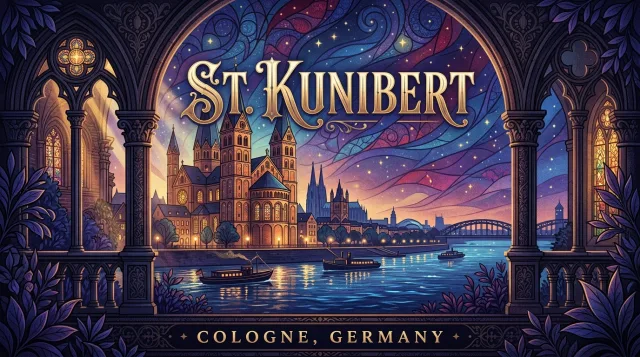
St. Kunibert is the youngest of Cologne's twelve great Romanesque churches, blending late Romanesque forms with early Gothic elements right on the bank of the Rhine in Altstadt-Nord.
St. Lambertus
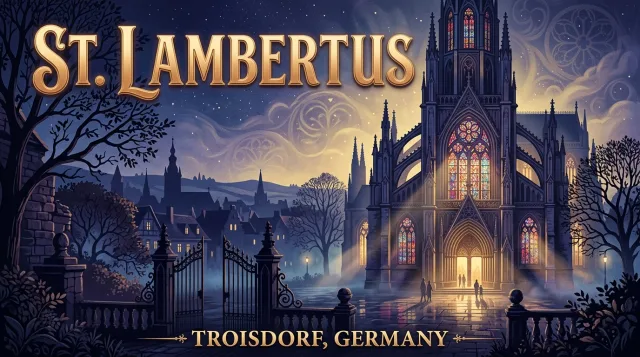
The St. Lambertus in Troisdorf-Bergheim is the neo-Gothic parish church from 1869–1872 with roots going back to the 8th century and a baptismal font from the early period.
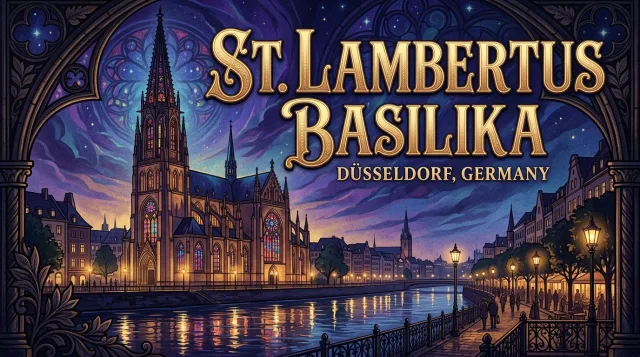
St. Lambertus Basilika
This Gothic basilica with its distinctive crooked tower is one of Düsseldorf's oldest churches and still defines the skyline of the Altstadt today.
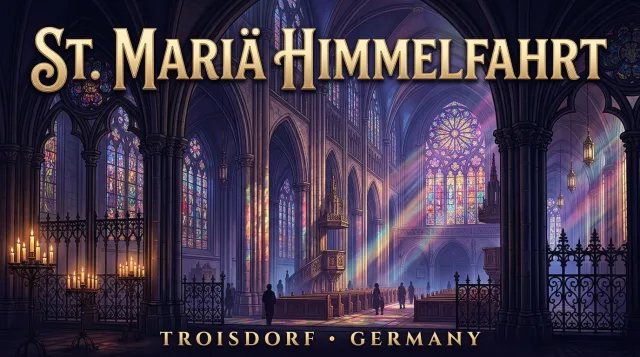
St. Mariä Himmelfahrt
The St. Mariä Himmelfahrt in Troisdorf-Spich is the neo-Gothic Catholic parish church from 1860 and the centre of the community in the Spich district.
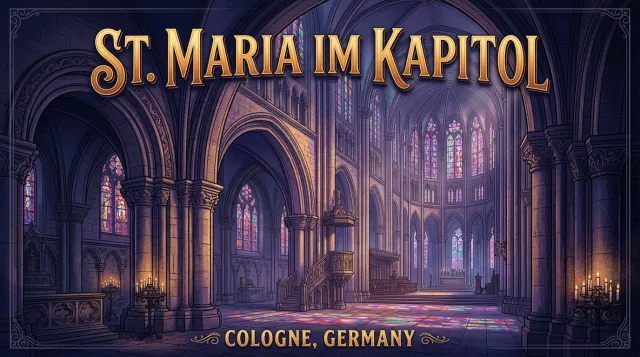
St. Maria im Kapitol
St. Maria im Kapitol is the largest of Cologne's twelve Romanesque churches, built over the remains of a Roman capitol temple and famed for its trefoil choir and thousand-year-old wooden door.
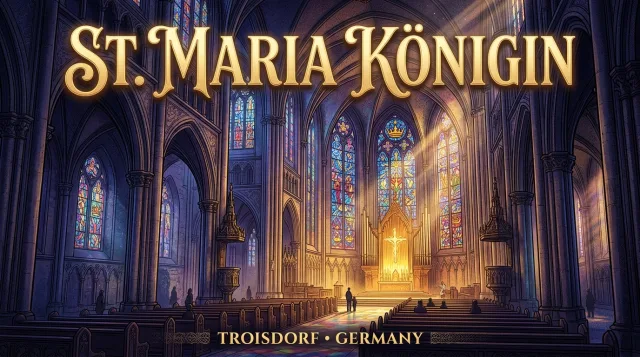
St. Maria Königin
The St. Maria Königin in Troisdorf-West is a modern tent church from 1960–62 (rebuilt 1974) with a striking glass façade by Ludwig Schaffrath.
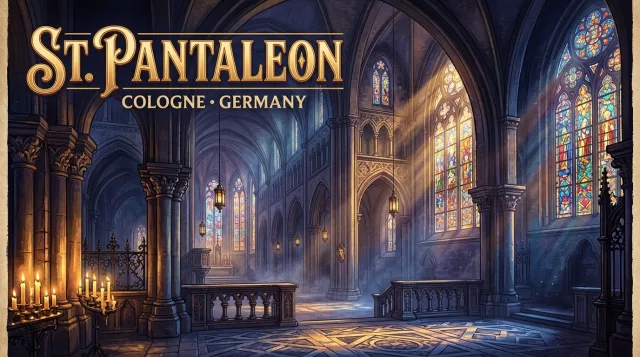
St. Pantaleon
One of Cologne's oldest churches, featuring a tenth-century Ottonian westwork and the tomb of Byzantine empress Theophanu.
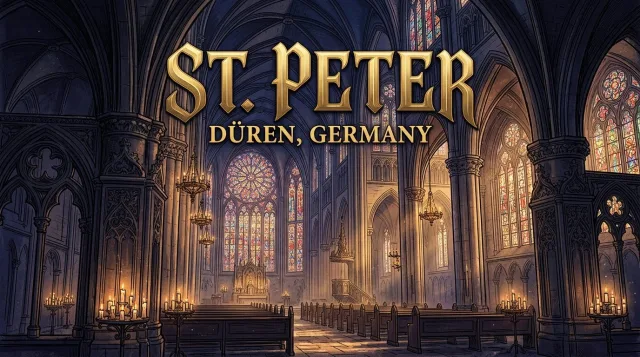
St. Peter
St. Peter in Birkesdorf is a parish church documented since 1308, built in neo-Gothic style by Vincenz Statz in 1853–1855, and the main church of the larger St. Franziskus/Düren parish since 2026.
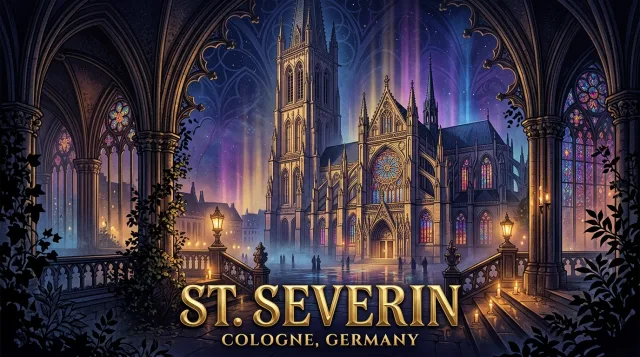
St. Severin
St. Severin in Cologne's Südstadt is one of the city's oldest Christian sites, built above a late Roman burial ground.
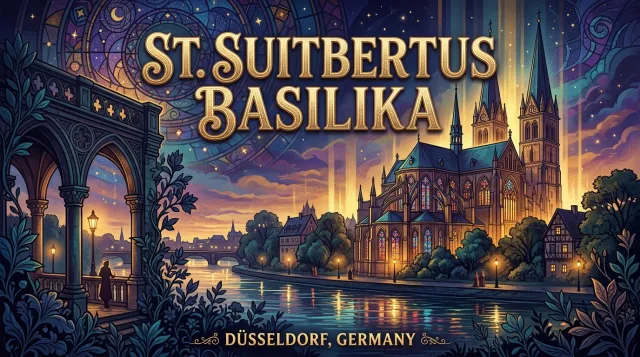
St. Suitbertus Basilika
This Romanesque-Gothic basilica in picturesque Kaiserswerth holds the relics of its patron saint and ranks among the oldest churches on the Lower Rhine.
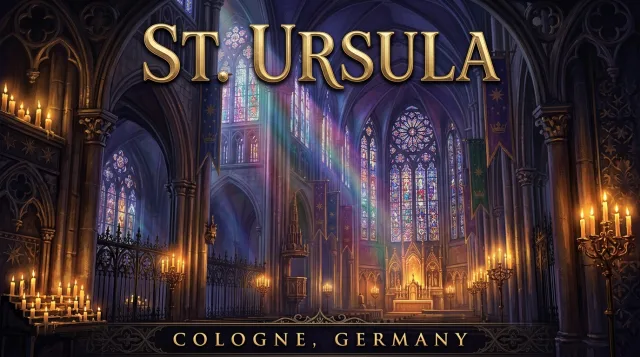
St. Ursula
St. Ursula is one of Cologne's twelve great Romanesque churches, famed for the Golden Chamber, a walk-in reliquary room whose walls are covered in human bones.
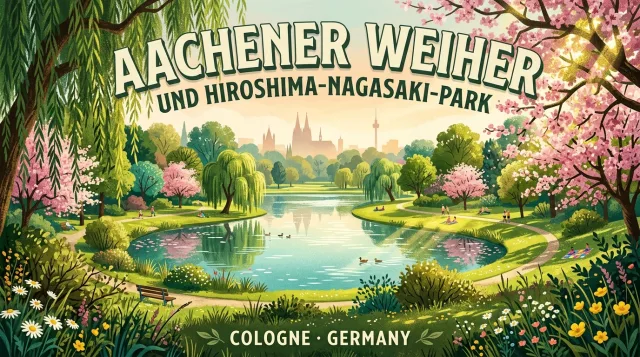
Aachener Weiher und Hiroshima-Nagasaki-Park
An artificial lake in the Inner Green Belt with an adjoining memorial park that has commemorated Hiroshima and Nagasaki since 2004.
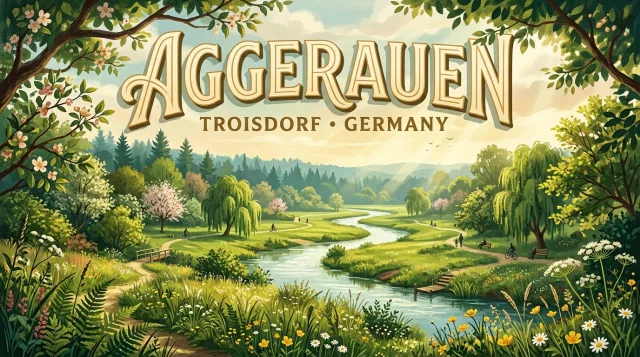
Aggerauen
The Aggerauen in Troisdorf are a species-rich floodplain landscape along the Agger with dike paths, renatured river sections and connection to the Wahner Heide.
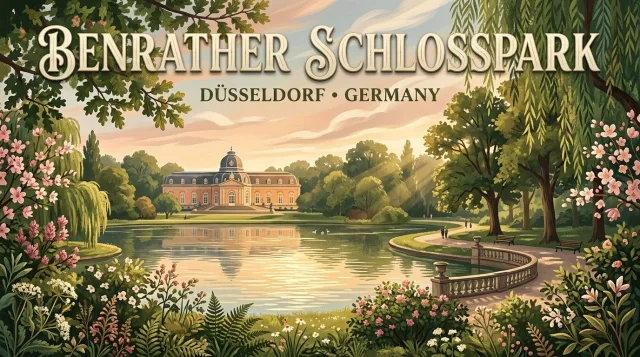
Benrather Schlosspark
Benrather Schlosspark is a 61-hectare garden and park landscape surrounding Schloss Benrath, combining a formal French garden in the east with an expansive English landscape park in the west.
Blücherpark
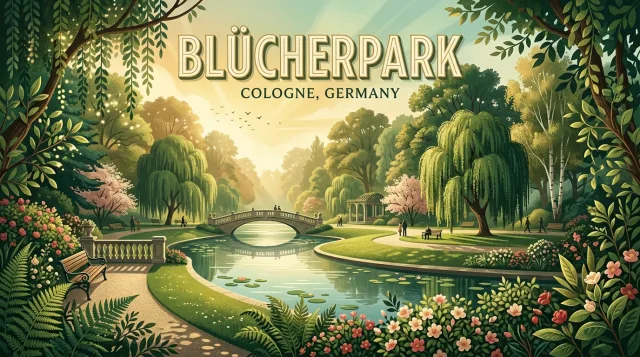
Blücherpark in Bilderstöckchen is an 18.4-hectare historic park from 1911 featuring a large pond, boat rental, and shaded tree avenues.
Botanischer Garten der Heinrich-Heine-Universität
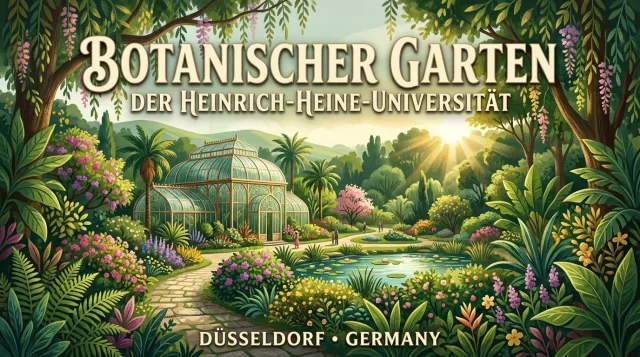
Botanischer Garten der Heinrich-Heine-Universität is an 8-hectare open-air botanical garden in southern Düsseldorf, home to more than 6,000 plant species and a landmark dome-shaped greenhouse.
Burgauer Wald
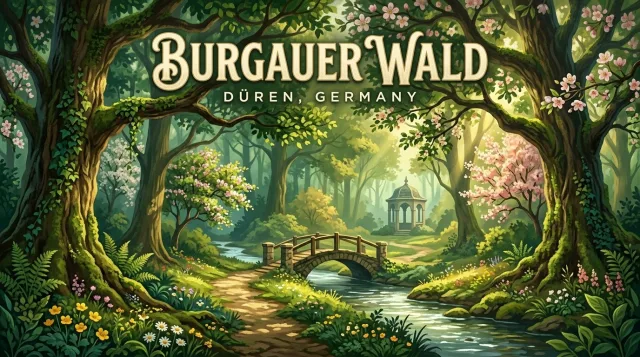
Burgauer Wald is a natural woodland area surrounding the moated castle of Schloss Burgau, with marked hiking and educational trails for families and nature lovers.
Erfahrungsfeld der Sinne
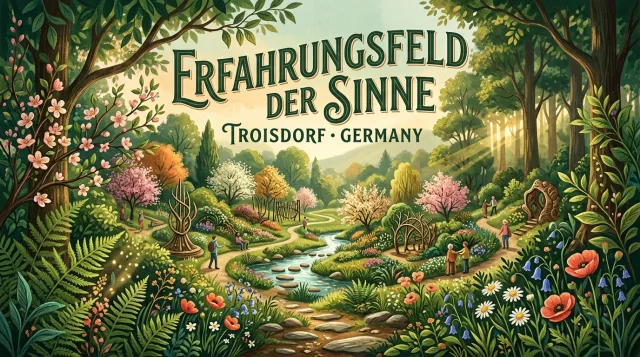
The Erfahrungsfeld der Sinne at Burg Wissem in Troisdorf is a free sensory park with stations for seeing, hearing, smelling and touching based on the ideas of Hugo Kükelhaus.
Finkens Garten
Finkens Garten in Rodenkirchen is a free nature-experience garden near the Rhine with an orchard meadow, pond, beehouse, and scent trail for families.
Flora und Botanischer Garten
A historic 1864 garden complex in Riehl with the Festhaus event hall, a camellia collection and over 10,000 plant species, right next to Cologne Zoo.
Forstbotanischer Garten
A roughly 90-hectare forest and botanical garden in Rodenkirchen with more than 3,000 woody plant species from around the world.
Friedhof Melaten
Cologne's largest and most famous cemetery in Lindenthal – a park-like open-air museum of funerary art, home to the graves of numerous notable figures.
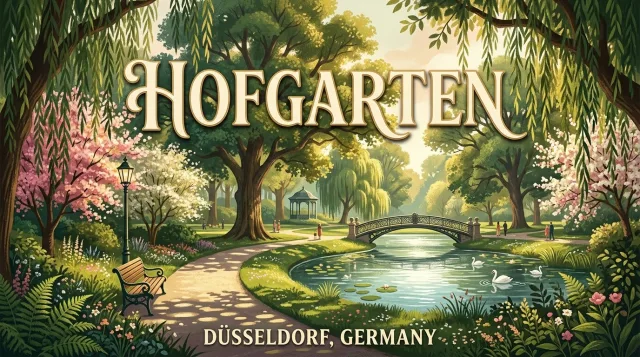
Hofgarten
Germany's oldest Volksgarten, Hofgarten has shaped the heart of Düsseldorf since 1769 with historic avenues, ponds, and the world's largest gas-lit park lighting system.
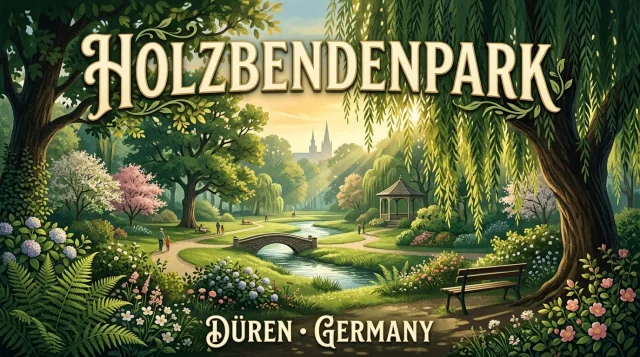
Holzbendenpark
Holzbendenpark is a family-friendly park in Düren near the Arena Kreis Düren, featuring a duck pond, playground and kickabout pitch.
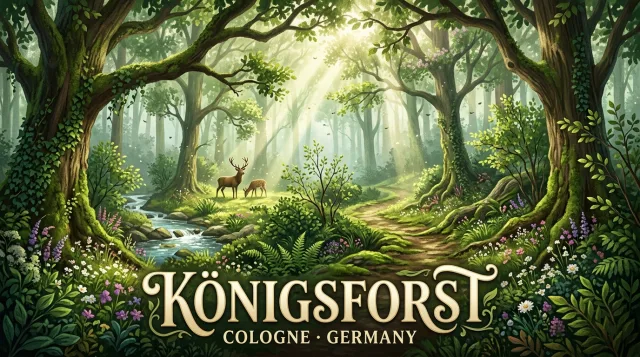
Königsforst
Königsforst, between Rath/Heumar, Bergisch Gladbach and Rösrath, is one of the largest forest areas in the Rhineland at around 2,519 hectares, ideal for hiking and cycling.
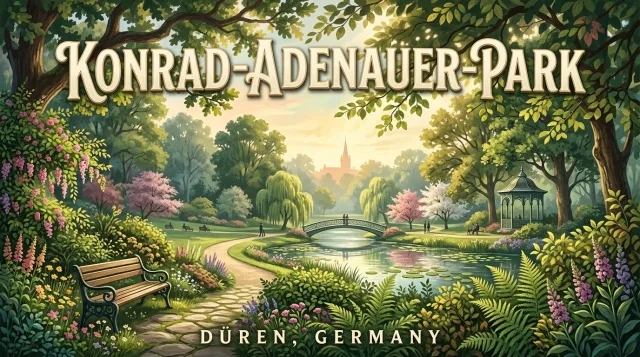
Konrad-Adenauer-Park
Konrad-Adenauer-Park is a centrally located neighbourhood park in Düren featuring a historic high cross, play areas, a kickabout pitch and outdoor fitness equipment.
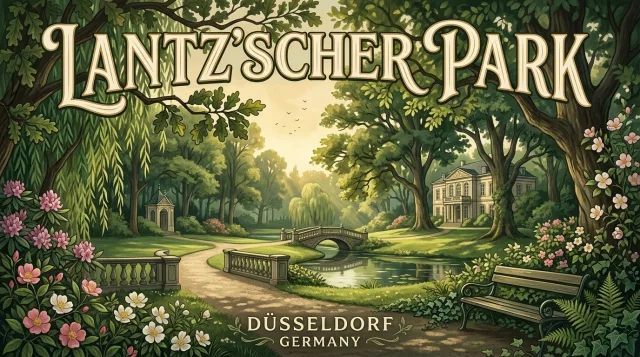
Lantz'scher Park
Lantz'scher Park is a 14.5-hectare, heritage-protected landscape park in the Lohausen district, home to a neoclassical manor house, a historic burial chapel, and rotating international sculpture exhibitions.
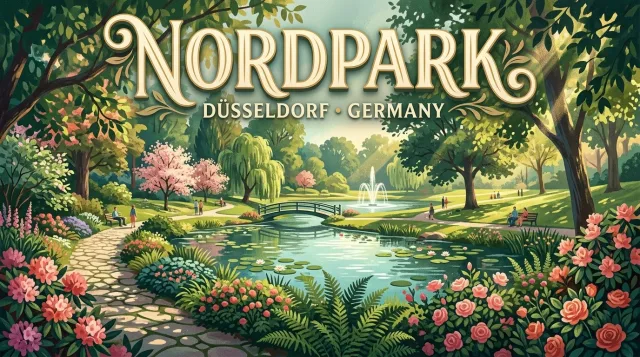
Nordpark
Spanning 36.6 hectares in the Stockum district, Nordpark is one of Düsseldorf's grandest green spaces, home to the beloved Japanese Garden and the city's largest fountain displays.
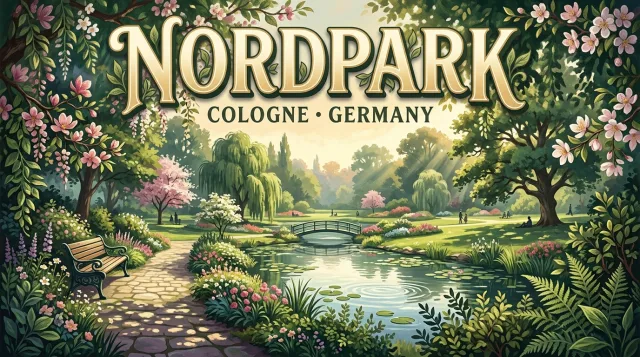
Nordpark
Nordpark in Weidenpesch is a 6.8-hectare green space laid out in the 1960s, with open lawns and playgrounds in northern Cologne.
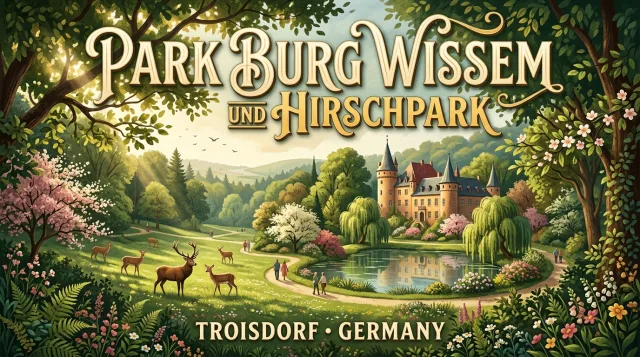
Park Burg Wissem und Hirschpark
The Park Burg Wissem und Hirschpark in Troisdorf comprises the castle park with deer enclosures, red and sika deer and the transition to the Wahner Heide.
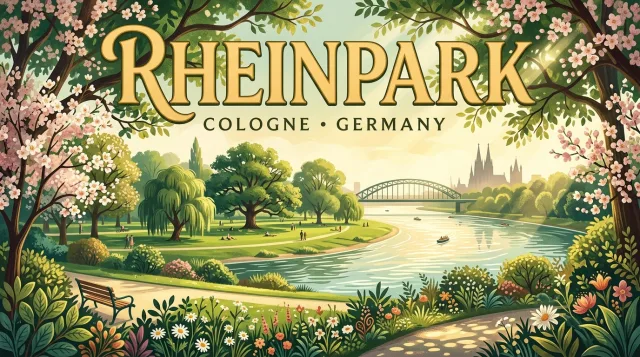
Rheinpark
A sweeping riverside park in Deutz with the Cologne Cable Car, the Tanzbrunnen stage and a rose garden, laid out for the 1957 Bundesgartenschau.
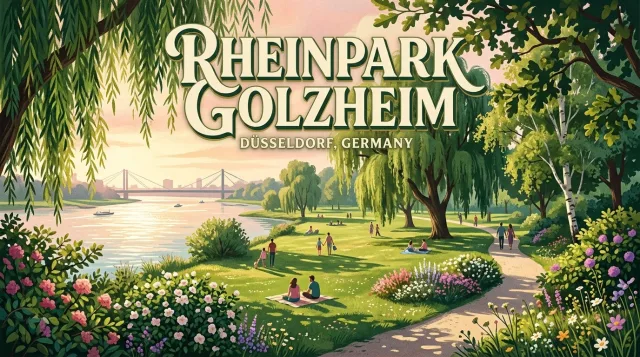
Rheinpark Golzheim
Rheinpark Golzheim is a roughly 24-hectare riverside park on the Rhine's right bank between Pempelfort and Golzheim, famous for its wide-open lawns, historic promenade, and spectacular sunsets over the river.
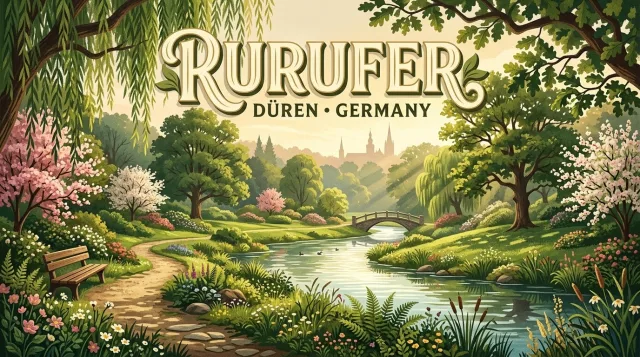
Rurufer
The Rurufer is a green ribbon of walking and cycling paths along the Rur river, showing Düren from a quieter side on foot or by bike.
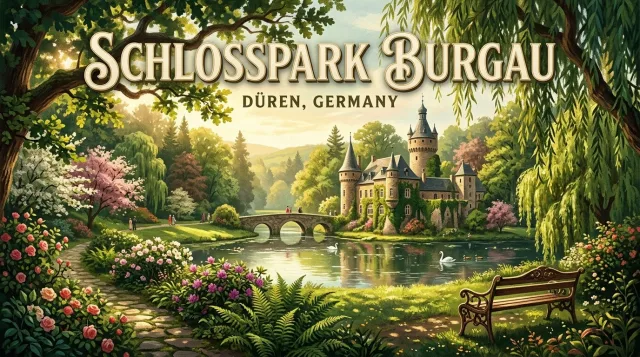
Schlosspark Burgau
Schlosspark Burgau surrounds the medieval moated castle of Schloss Burgau with mature trees, a moat and meadows on the edge of the Burgauer Wald forest.
Siegaue
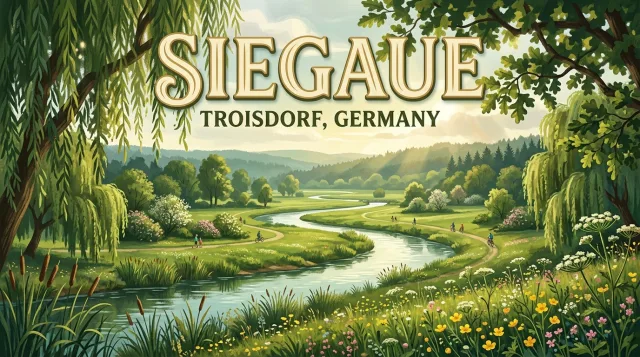
The Siegaue in Troisdorf is a species-rich floodplain landscape along the Sieg with around 249 bird species and a nature reserve since 1986.
Stadtgarten
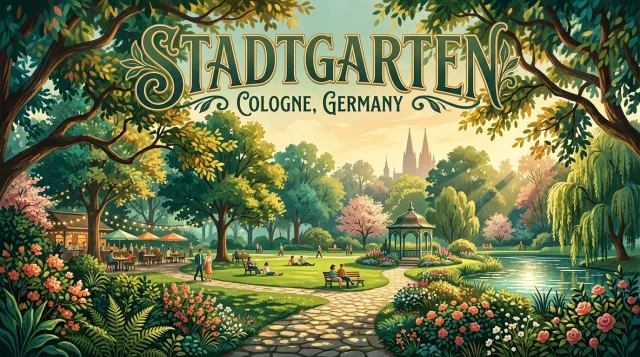
A historic park in Neustadt-Nord with mature trees and the well-known Stadtgarten concert house for jazz and improvised music.
Stadtwald
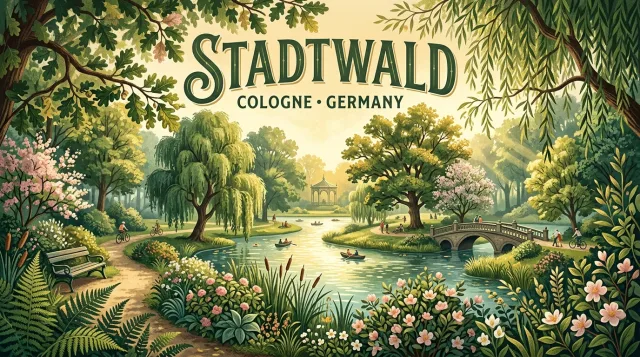
The Kölner Stadtwald in Lindenthal is a 205-hectare park landscape dating back to 1895, with ponds, a wildlife enclosure, and expansive meadows.
Südpark
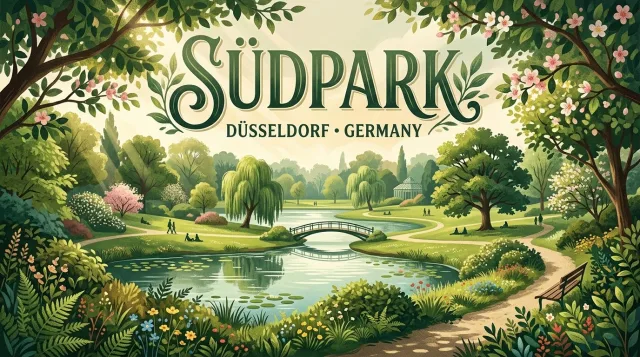
At 70 hectares, Südpark is Düsseldorf's largest and most-visited park, created for the 1987 Federal Garden Show by expanding the historic Volksgarten.
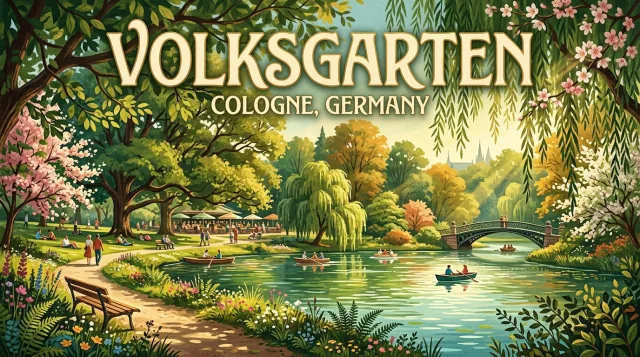
Volksgarten
A historic public park in Cologne's Südstadt district featuring a boating lake, old fortress remains, and the culturally active Orangerie.
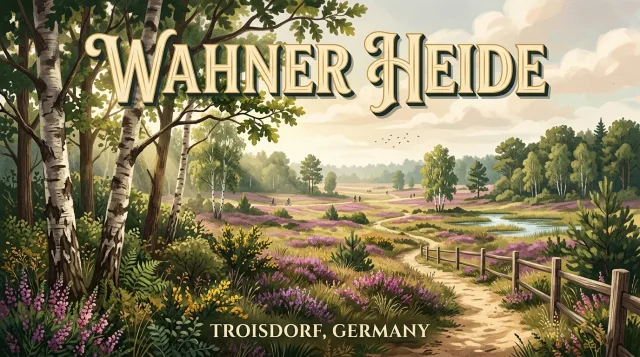
Wahner Heide
The Wahner Heide is the second-largest and most species-rich nature reserve in North Rhine-Westphalia with heaths, bogs and around 700 endangered species near Troisdorf.
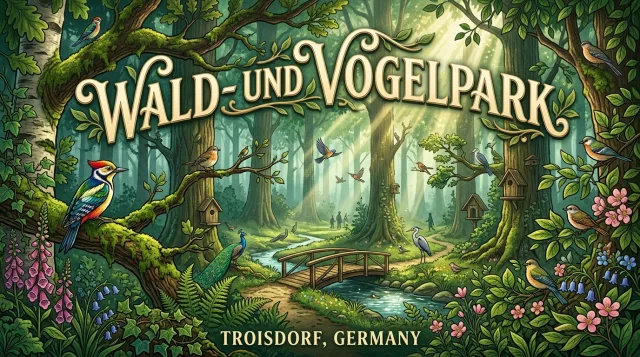
Wald- und Vogelpark
The Wald- und Vogelpark in Troisdorf is an approximately 21,000-square-metre park with aviaries, old chicken breeds, a pond landscape and an educational apiary near Burg Wissem.
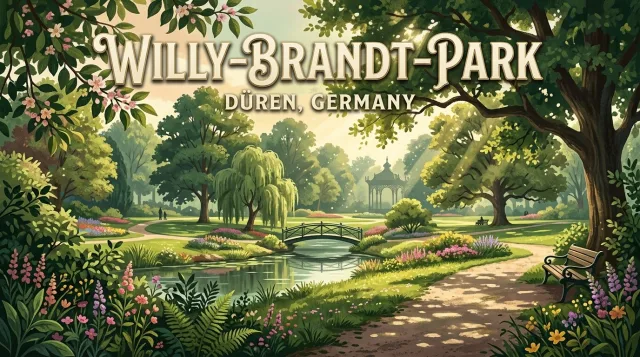
Willy-Brandt-Park
Willy-Brandt-Park is Düren's oldest and largest city park on the banks of the Rur, named after the former chancellor, featuring mature trees, a playground and a Chinese pavilion.
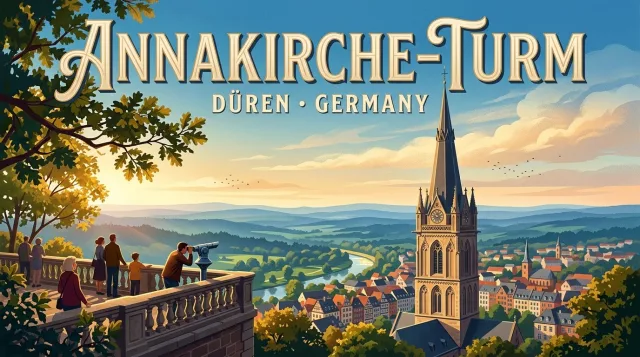
Annakirche Tower
The Annakirche tower is a far-visible landmark of Düren's city centre with a carillon, though its interior is not regularly open for visitor ascents.
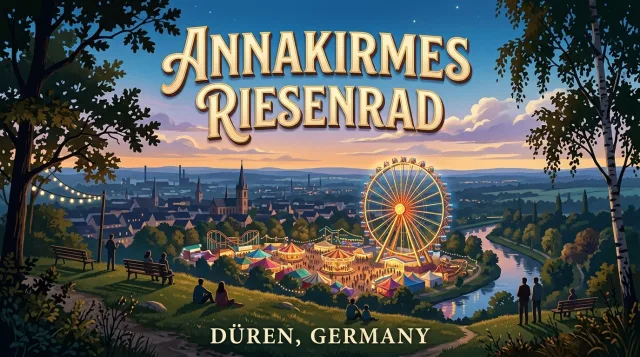
Annakirmes Riesenrad
The Annakirmes Riesenrad is a seasonal Ferris wheel that offers a panoramic view over Düren only during the nine-day Annakirmes festival in late summer.
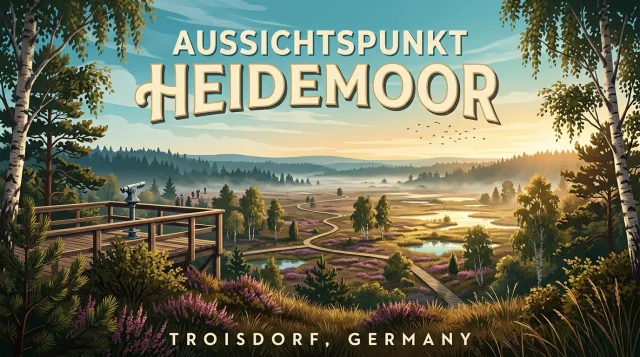
Aussichtspunkt Heidemoor
The Aussichtspunkt Heidemoor in Troisdorf offers a view of the town and the heath and moor landscape of the Wahner Heide.
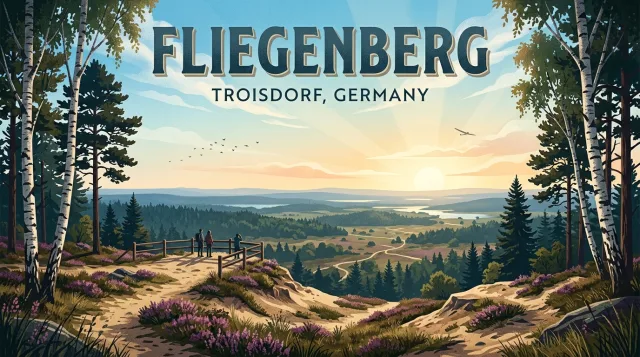
Fliegenberg
The Fliegenberg in Troisdorf is an elevation in the Wahner Heide with large Calluna heath areas, sandy soils and a view of the Sieg valley.
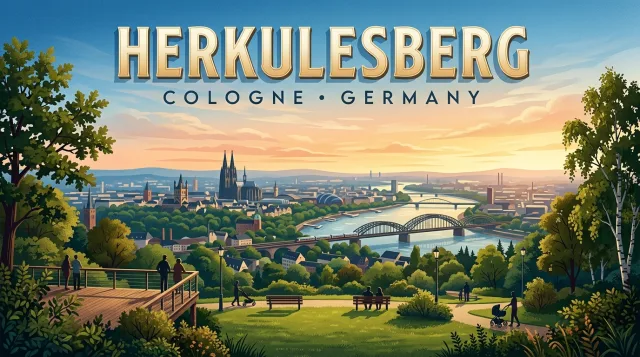
Herkulesberg
The Herkulesberg in Cologne's Neustadt-Nord is a wooded post-war rubble hill with walking paths and surprising views over the Mediapark and surrounding area.
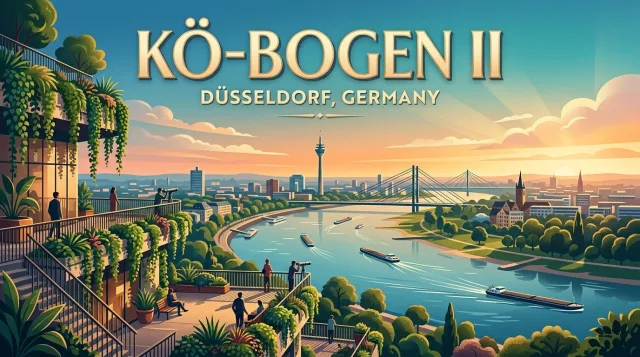
Kö-Bogen II
Kö-Bogen II in central Düsseldorf is covered by one of Europe largest green facades, and its gently sloping, walkable grass roof offers an unusual vantage point over the Hofgarten and the Königsallee.
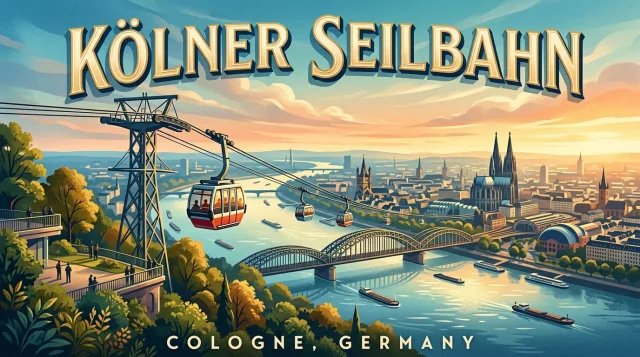
Kölner Seilbahn
Since 1957, the Kölner Seilbahn has connected Cologne Zoo with Rheinpark on a roughly 935-metre ride across the Rhine, offering a unique view of Cologne Cathedral.
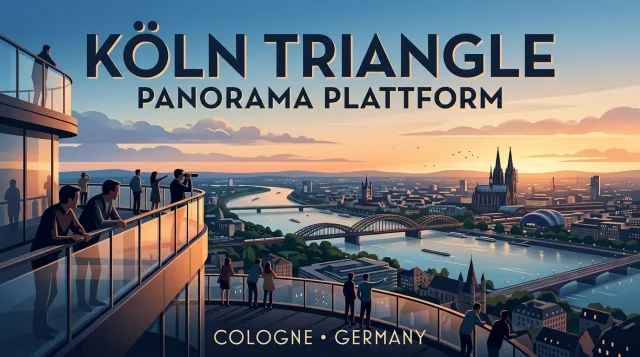
KölnTriangle Panorama Plattform
The KölnTriangle Panorama Plattform offers a spectacular 360-degree view over Cologne, the Rhine, and the cathedral from 103 meters up.
Leyenweiher
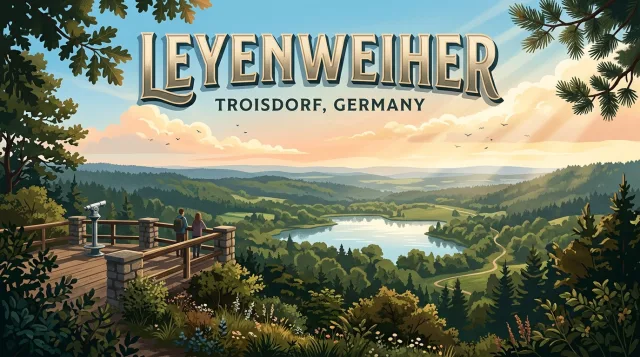
Leyenweiher in Troisdorf is one of the oldest cultural ponds in the Wahner Heide, dammed before 1845, with water lilies, water birds and dragonflies.
Oberkasseler Brücke
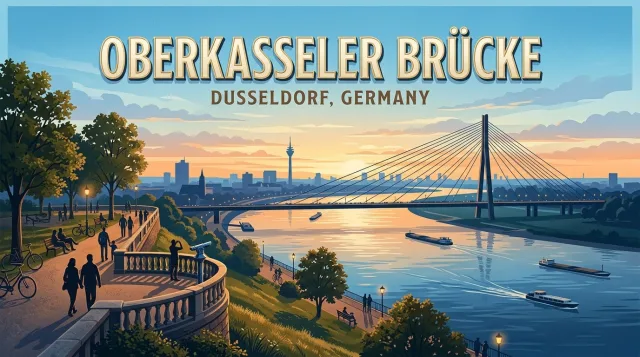
The Oberkasseler Brücke links Oberkassel with the Altstadt, and its 614-metre deck offers what is arguably the most famous postcard view of Düsseldorf Rhine promenade and the Altstadt skyline.
Poller Wiesen
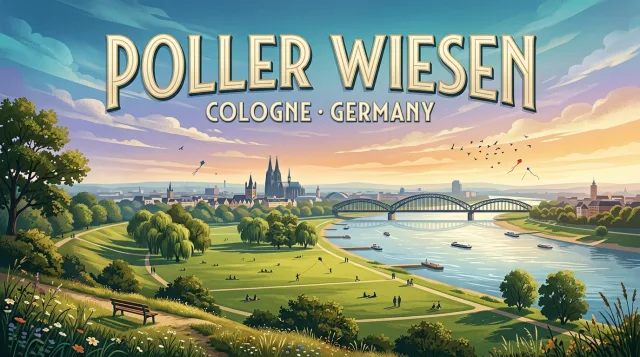
The Poller Wiesen on the right bank of the Rhine offer an unobstructed panoramic view of Cologne's old town and cathedral – perfect for picnics, sunbathing, and photography.
Ravensberg
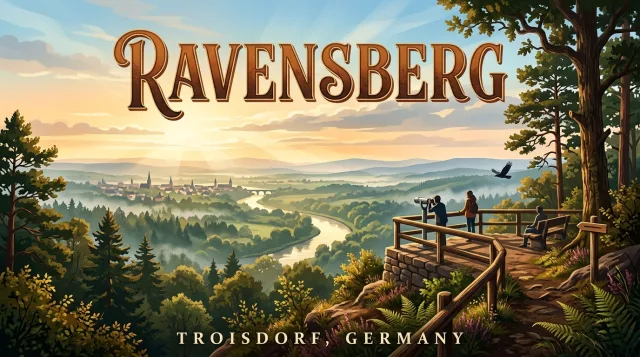
The Ravensberg in Troisdorf is an approximately 124-metre elevation in the Wahner Heide with Palaeolithic quartzite finds and the former Franciscan hermitage.
Rheinturm
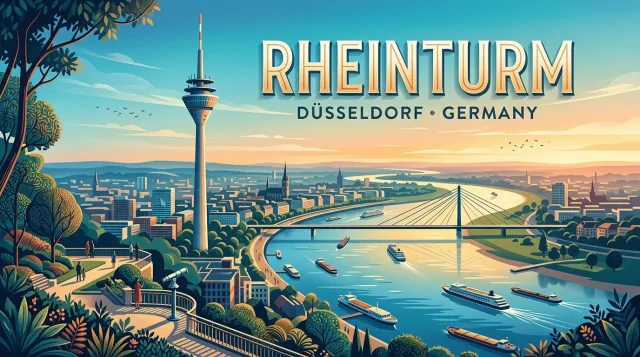
At 240.5 metres, the Rheinturm is Düsseldorf tallest structure, and its observation deck at 168 metres offers what is arguably the most spectacular 360-degree view over the city, the Rhine and the Medienhafen.
Rurköpfe
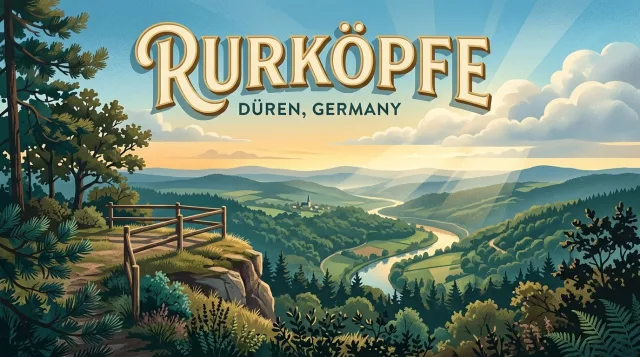
The Rurköpfe are quiet, slightly elevated riverbank sections along the Rur in Düren, with occasional benches and an understated view of the river.
Schlossturm
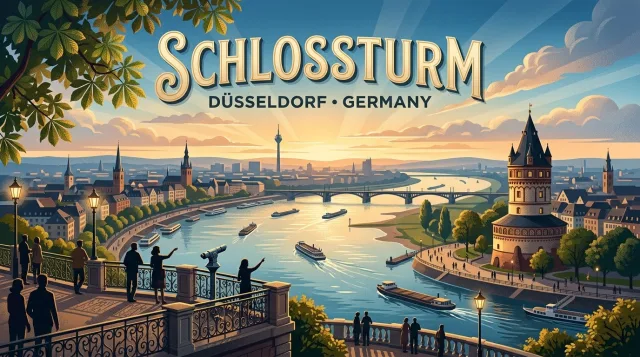
The Schlossturm on the Rhine bank is the last surviving remnant of Düsseldorf Castle, and its uppermost floor offers a rare elevated view over the Burgplatz, the rooftops of the Altstadt and the Rhine.
Südturm des Kölner Doms
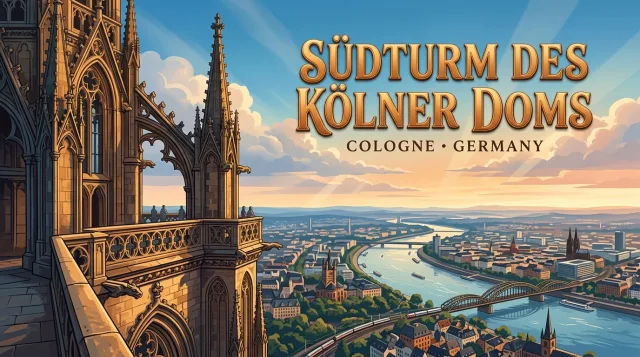
A climb of 533 steps leads up the Südturm des Kölner Doms to a viewing platform roughly 100 meters high, passing the cathedral's famous bells along the way.
Telegraphenberg
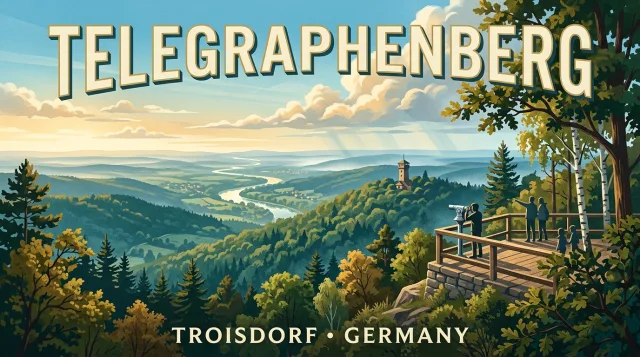
The Telegraphenberg in Troisdorf is, at about 134 metres, the highest elevation of the Wahner Heide and former site of a Prussian optical telegraph station.
Tonhalle Terrace
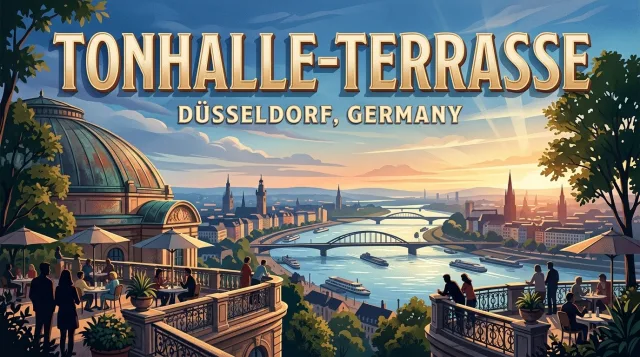
The Tonhalle Terrace on the Joseph-Beuys-Ufer in Pempelfort is one of the loveliest spots to take in the Rhine and the Theodor-Heuss-Brücke, especially as the bridge lights begin to shimmer on the water in the evening.
Alte Stadtmauer
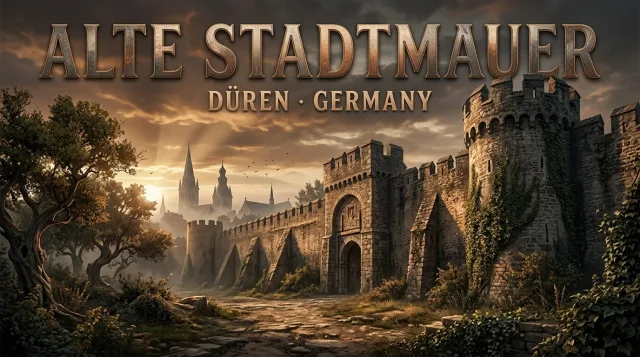
Begun around 1212, Düren's Alte Stadtmauer is one of the few structures that survived the 1944 air raid, so several towers and wall sections still remain throughout the city today.
Bismarck-Denkmal
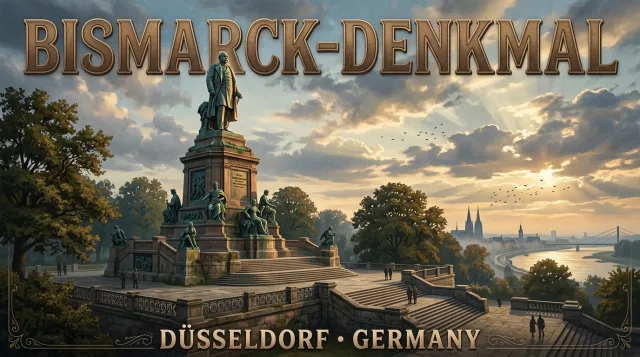
The Bismarck-Denkmal on Martin-Luther-Platz has commemorated the first German Chancellor Otto von Bismarck with a monumental bronze figure since 1899.
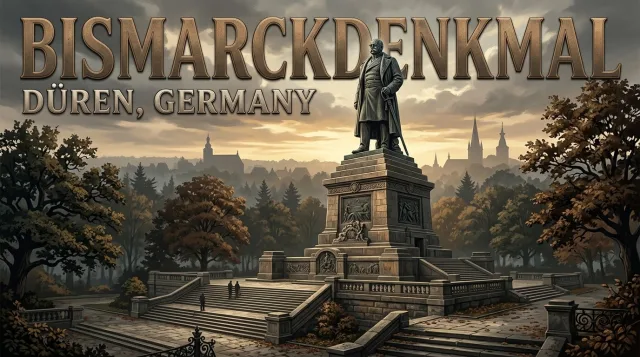
Bismarckdenkmal
The Bismarckdenkmal in Theodor-Heuss-Park is a bronze statue of Chancellor Otto von Bismarck unveiled in 1892 that survived the 1944 air raid and still recalls Düren's pre-war history today.
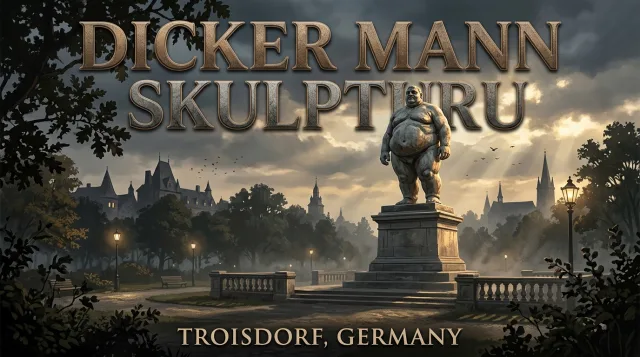
Dicker Mann Skulpturu
The Dicker Mann Skulpturu by Karl-Henning Seemann is the legendary bronze figure on Fischerplatz in Troisdorf – nude, corpulent and a firm landmark of the city since the 1980s.
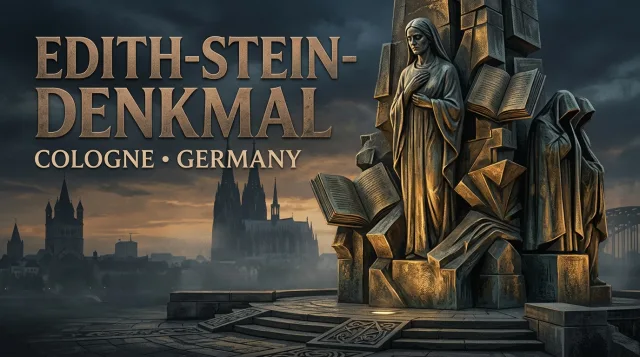
Edith-Stein-Denkmal
The Edith-Stein-Denkmal in front of Cologne's Archdiocesan Seminary commemorates philosopher, Carmelite nun, and martyr Edith Stein (1891-1942).
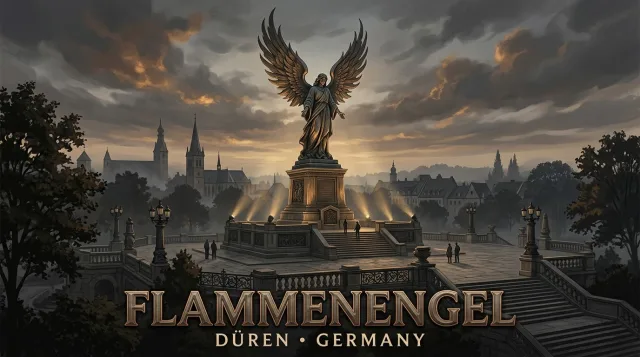
Flammenengel
The Flammenengel is a bronze sculpture by Adolf Wamper from 1962, standing at the town hall steps on Kaiserplatz, commemorating the devastating air raid of November 16, 1944, and the victims of both World Wars.
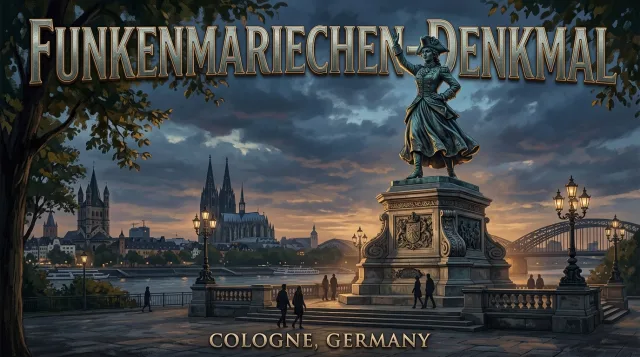
Funkenmariechen-Denkmal
The Funkenmariechen-Denkmal on Rote-Funken-Plätzchen in Cologne's Martinsviertel honors the Rote Funken, the oldest traditional corps of Cologne Carnival since 1823.
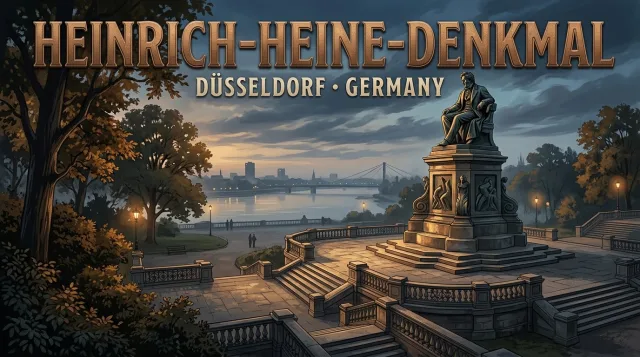
Heinrich-Heine-Denkmal
The Heinrich-Heine-Denkmal on Schwanenmarkt depicts the inner conflict of the great poet, born in Düsseldorf, through a fragmented bronze composition.
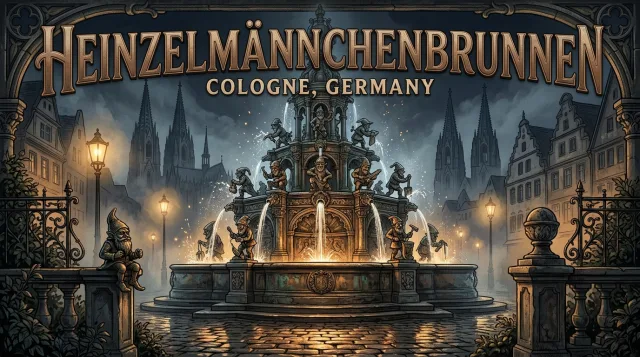
Heinzelmännchenbrunnen
The Heinzelmännchenbrunnen on Am Hof tells in stone the famous Cologne legend of the industrious household spirits driven away by a curious tailor's wife.
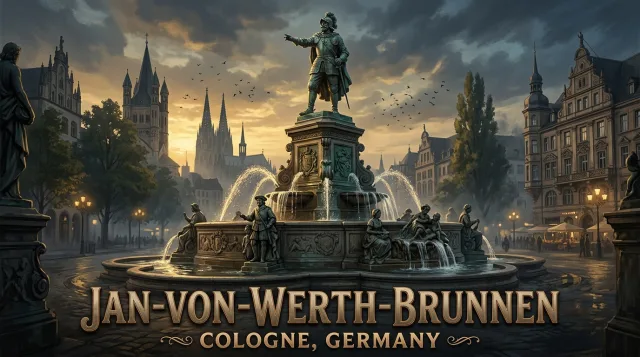
Jan-von-Werth-Brunnen
The Jan-von-Werth-Brunnen on the Alter Markt tells the Cologne legend of Jan and Griet and commemorates the famous cavalry general Jan von Werth.
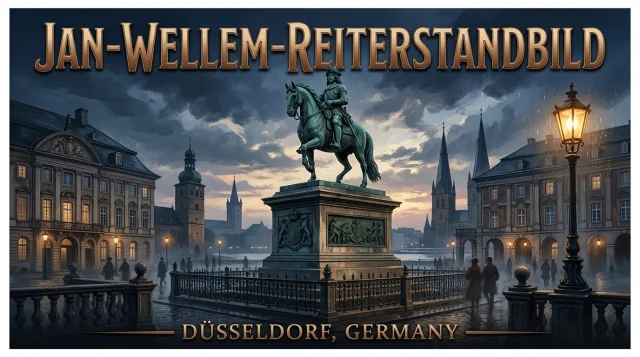
Jan-Wellem-Reiterstandbild
The Jan-Wellem-Reiterstandbild on the Marktplatz depicts Elector Johann Wilhelm of the Palatinate on horseback and ranks among Düsseldorf's most iconic Baroque monuments.
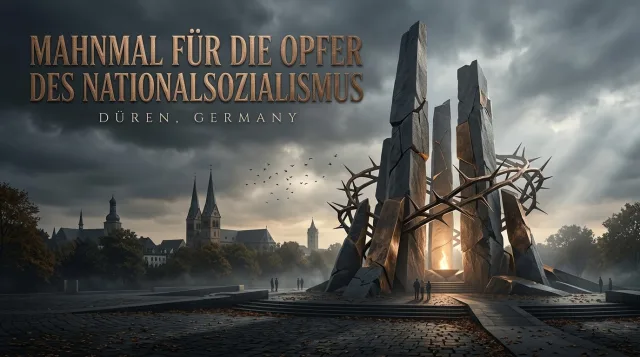
Mahnmal für die Opfer des Nationalsozialismus
The Mahnmal für die Opfer des Nationalsozialismus on Rückmüller-Platz is a quiet memorial in central Düren commemorating the persecution and murder of Jewish residents and other victims of National Socialism.
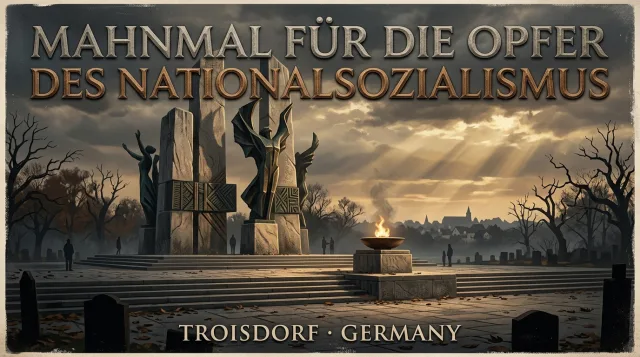
Mahnmal für die Opfer des Nationalsozialismus
The Mahnmal für die Opfer des Nationalsozialismus on Jahnplatz in Troisdorf commemorates the victims of National Socialist tyranny 1933–1945 and serves as the central site of the annual remembrance on 9 November.
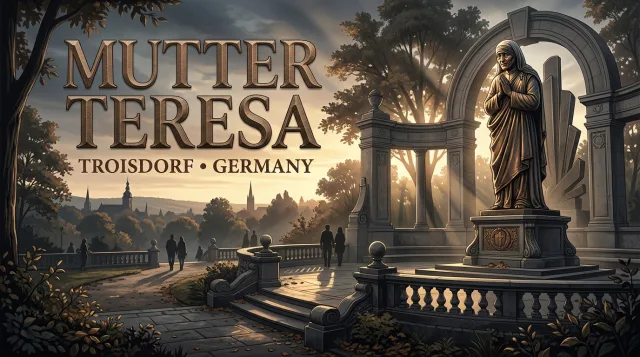
Mutter Teresa
The bronze statue Mutter Teresa in front of St. Mariä Himmelfahrt church in Troisdorf-Spich is a freely accessible symbol of compassion and intercultural connection, donated in 2025 by an Albanian family.
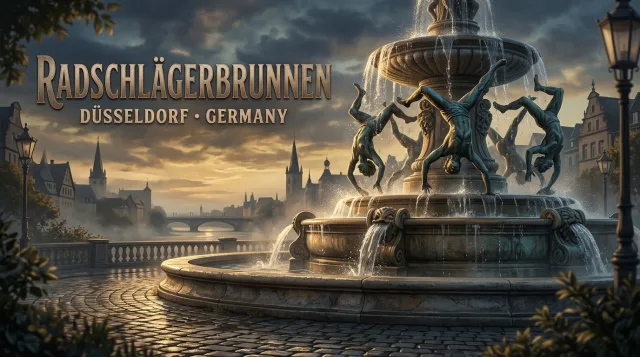
Radschlägerbrunnen
The Radschlägerbrunnen on Burgplatz features two bronze cartwheeling boys, honoring one of Düsseldorf's best-known traditions and civic symbols.
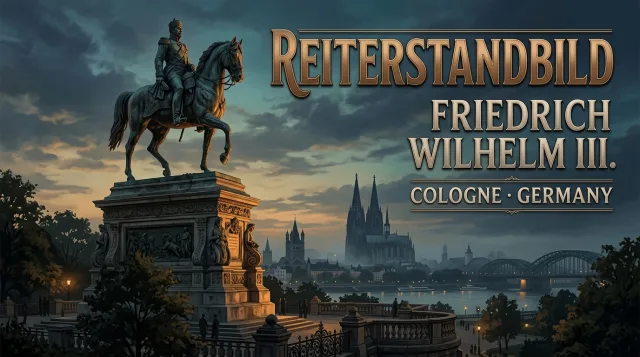
Reiterstandbild Friedrich Wilhelm III.
The monumental Reiterstandbild Friedrich Wilhelm III. on the Heumarkt commemorates the Prussian king and Cologne's eventful history as part of Prussia.
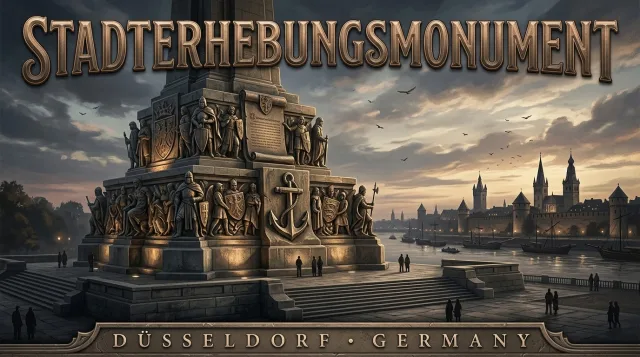
Stadterhebungsmonument
The Stadterhebungsmonument on Burgplatz tells the story of Düsseldorf receiving its town charter in 1288 through a dense bronze collage by sculptor Bert Gerresheim.
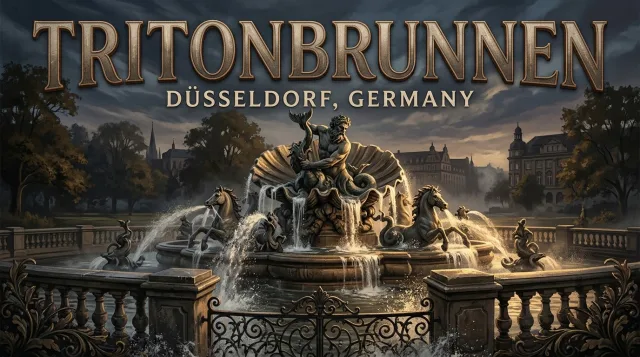
Tritonbrunnen
The Tritonbrunnen at the northern end of Königsallee depicts the Greek sea god Triton wrestling a fish, flanked by two playful water-children.
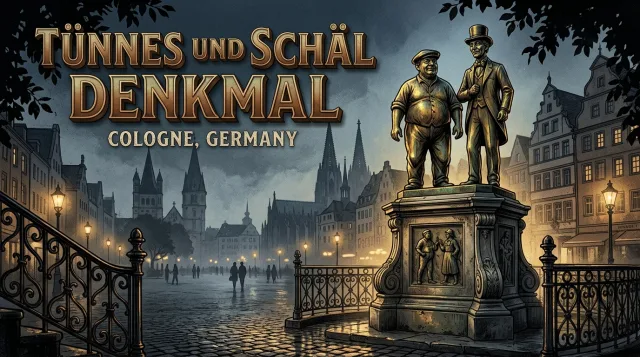
Tünnes und Schäl Denkmal
The Tünnes und Schäl Denkmal at the Gürzenich honours in bronze the two most famous characters of Cologne's Hänneschen puppet theatre.

Willy-Millowitsch-Denkmal
The Willy-Millowitsch-Denkmal on Willy-Millowitsch-Platz in Cologne's old town honors the legendary actor and theater director Willy Millowitsch (1909-1999).
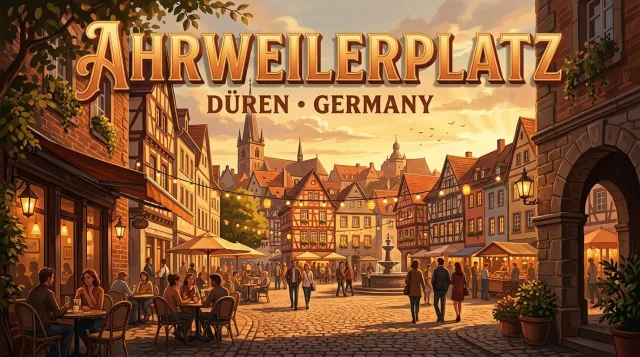
Ahrweilerplatz
Once a burial ground and poultry market, Ahrweilerplatz took its present name in 1881 and is today a lively meeting point with numerous restaurants beside the Annakirche.
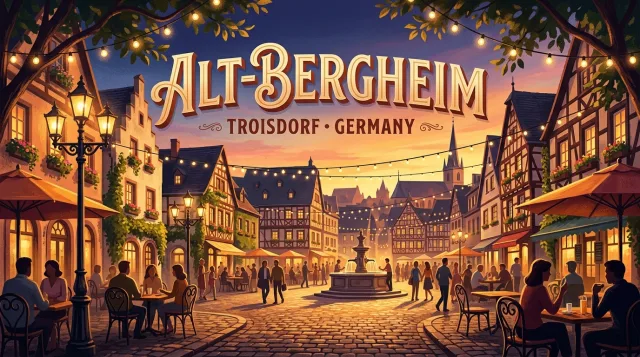
Alt-Bergheim
<strong>Alt-Bergheim</strong> in Troisdorf-Bergheim is a traditional inn with beer garden right next to St. Lambertus church, serving classic German cuisine in an authentic setting.
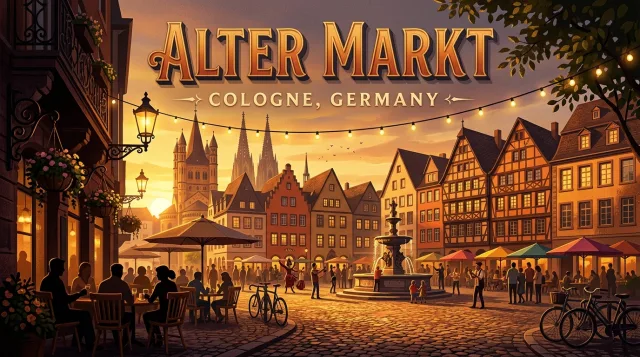
Alter Markt
Alter Markt is one of Cologne's oldest squares, home to the Jan-von-Werth Fountain and lively brewery taverns right next to the Historic Town Hall.
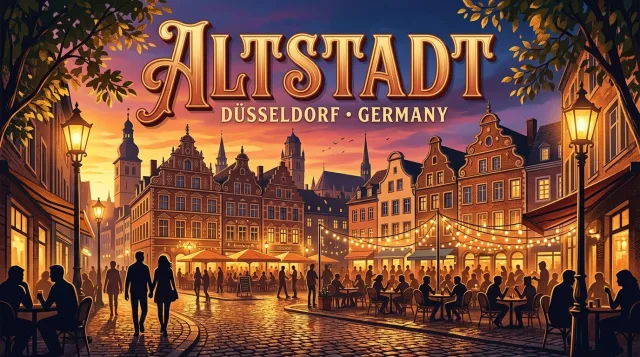
Altstadt
Altstadt is Düsseldorf's historic core on the Rhine, famous as the "longest bar in the world" with over 300 pubs, breweries and St. Lambertus Basilica.
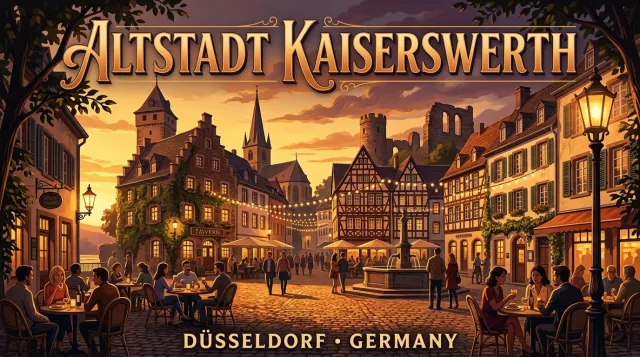
Altstadt Kaiserswerth
Altstadt Kaiserswerth is the historic old town in northern Düsseldorf, with narrow cobblestone lanes, a Rhine promenade and more than 1,300 years of history.
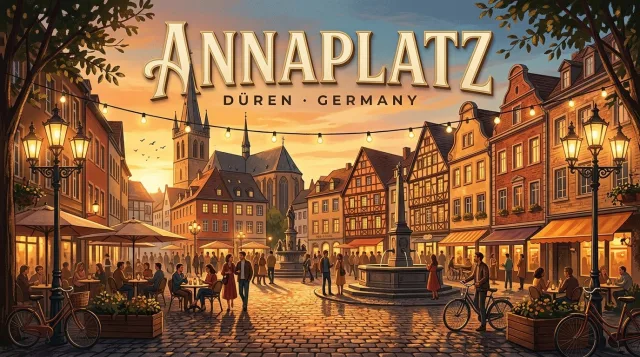
Annaplatz
Annaplatz, together with Ahrweilerplatz, surrounds the Annakirche, whose surviving Gothic south portal and post-war church consecrated in 1956 by architect Rudolf Schwarz still define the square today.
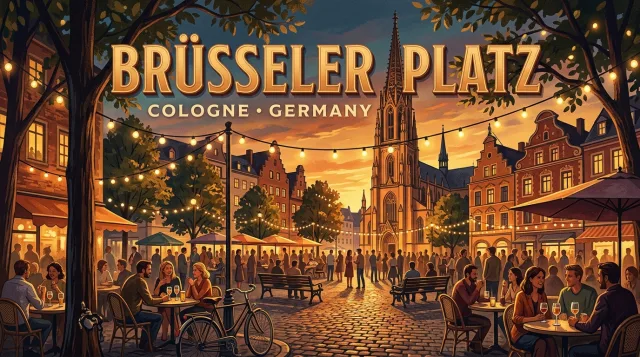
Brüsseler Platz
Brüsseler Platz in the Belgisches Viertel, centered on the church of St. Michael, is one of Cologne's most popular and lively meeting points.
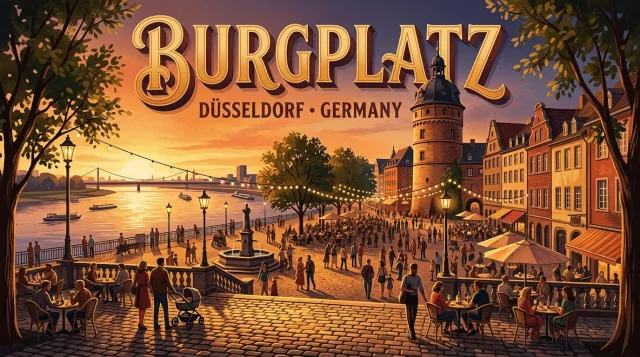
Burgplatz
Burgplatz opens onto the Rhine at the edge of the Altstadt and is dominated by the Schlossturm, the last remnant of Düsseldorf's former city castle.
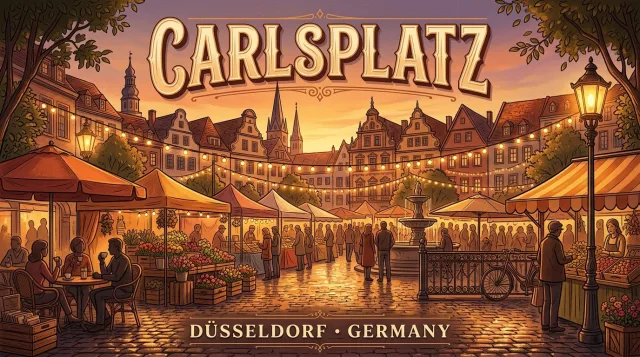
Carlsplatz
Carlsplatz is a neoclassical square at the heart of Carlstadt and has been one of Düsseldorf's liveliest public spaces for centuries.
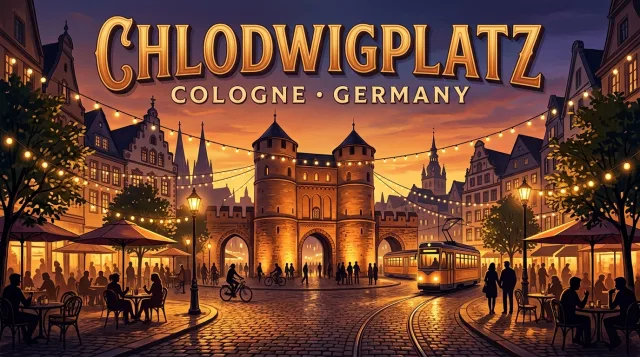
Chlodwigplatz
Chlodwigplatz is a lively ring-road square in Cologne's Südstadt district by the historic Severinstor gate and the traditional starting point of the Rosenmontag carnival parade.
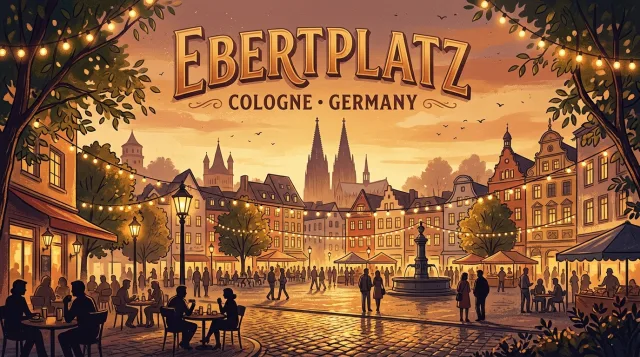
Ebertplatz
Ebertplatz in Cologne's Neustadt-Nord is a historic ring-road square with a kinetic fountain, revived since 2017 into a lively hub for art and culture.
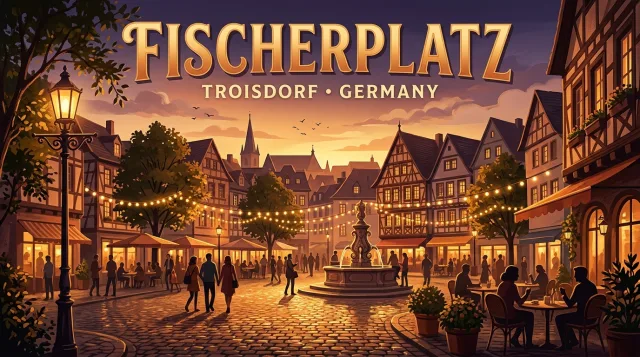
Fischerplatz
Fischerplatz in Troisdorf-Mitte is the central meeting point of the pedestrian zone featuring the famous Fat Man sculpture, weekly market and evening market.
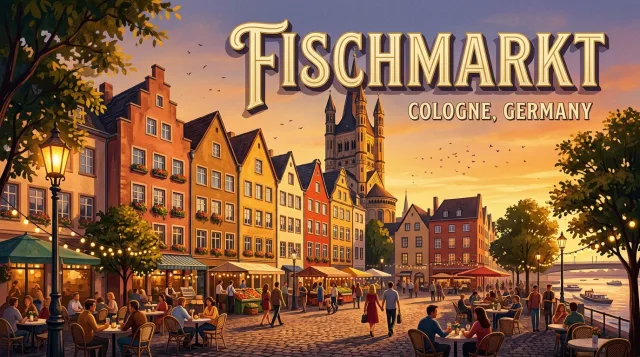
Fischmarkt
Fischmarkt is a picturesque square right on the Rhine riverbank in Cologne's Altstadt, known for its colorful historic facades.
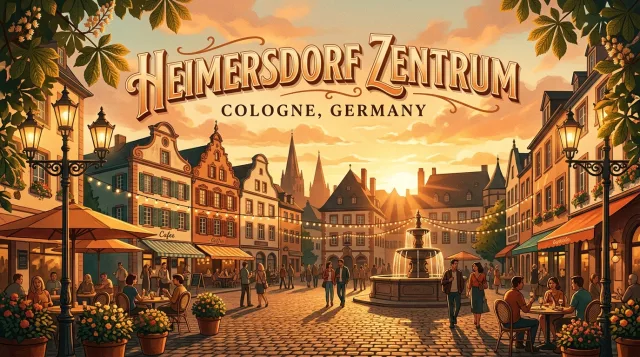
Heimersdorf Zentrum
Heimersdorf Zentrum in Cologne's Chorweiler borough is the lively core of a Radburn-planned Veedel with its own Carnival and neighborhood culture.
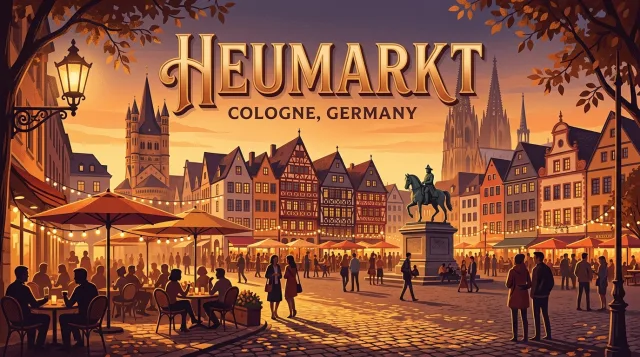
Heumarkt
Covering around 16,400 square meters, Heumarkt is Cologne's second-largest square, known for the equestrian monument of Friedrich Wilhelm III, historic brewery taverns, and centuries as a market and gathering place.
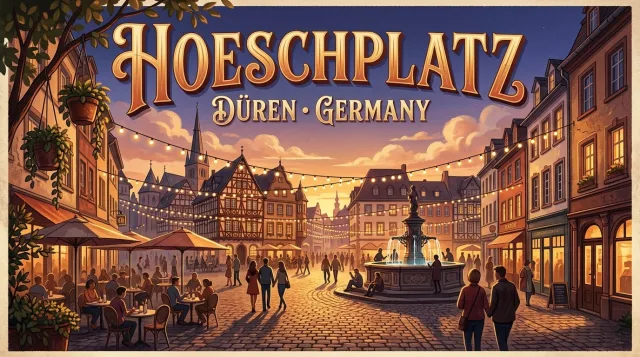
Hoeschplatz
Hoeschplatz is Düren's cultural square around the Leopold-Hoesch-Museum, opened in 1905, and the Papiermuseum, named after the Hoesch industrial family who funded both institutions.
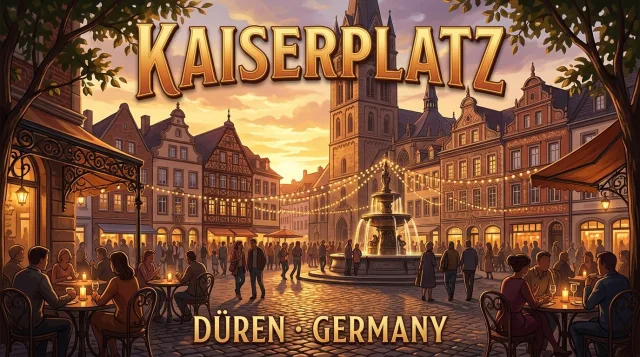
Kaiserplatz
Kaiserplatz is Düren's central square, home to the town hall opened in 1959, the 1962 Flammenengel memorial, and the city's main bus hub.
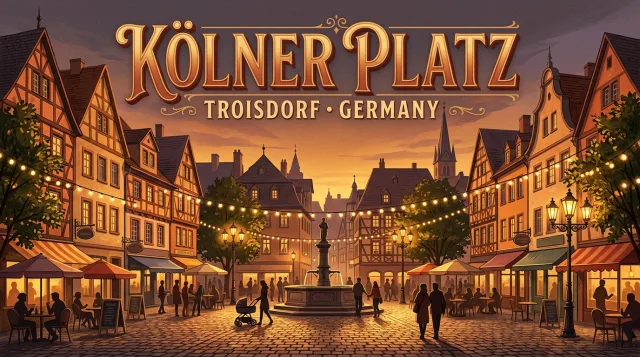
Kölner Platz
Kölner Platz in Troisdorf is a central meeting point in the pedestrian zone featuring outdoor dining, water steps and a historical information stele.
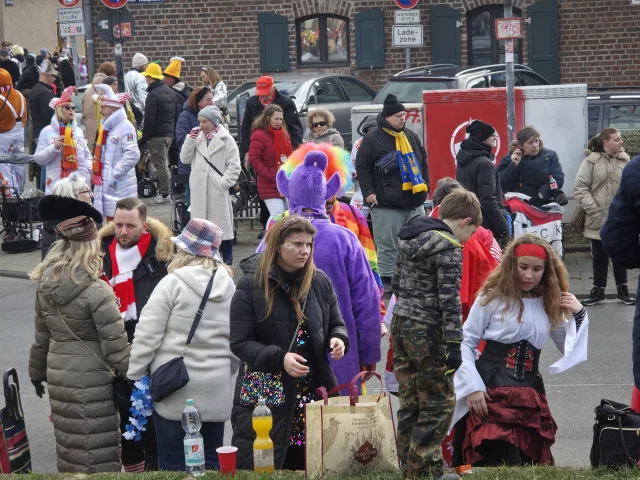
Longerich Zentrum
Longerich Zentrum in Cologne's Nippes borough is the traditional heart of a Veedel with village roots, garden-city developments, and lively club culture.
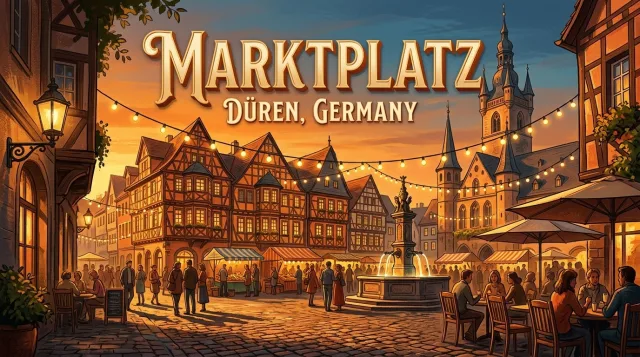
Marktplatz
The Marktplatz is Düren's historic heart, home to a grain market since 1361 and today a lively pedestrian square with the 1957 Mariensäule and a regular weekly market.
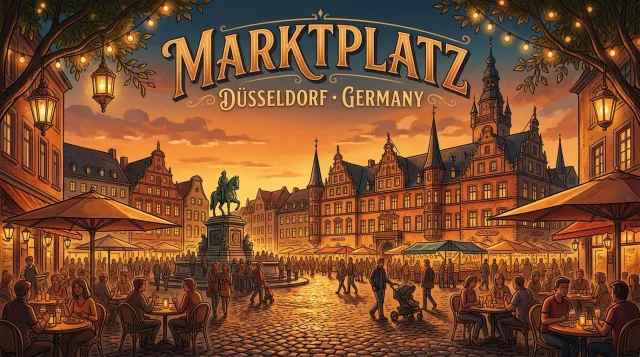
Marktplatz
Marktplatz is the historic center of the Altstadt, home to the town hall and the Baroque equestrian statue of Prince-Elector Jan Wellem.
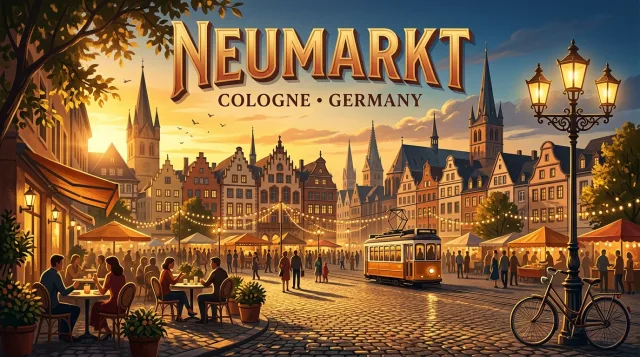
Neumarkt
Neumarkt is the largest square in Cologne's Altstadt, known for the landmark Dropped Cone sculpture, museums and historic churches.
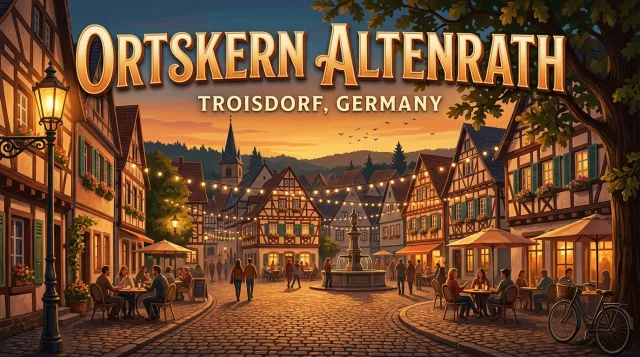
Ortskern Altenrath
The Ortskern Altenrath in Troisdorf combines a Romanesque church, half-timbered houses and direct access to the Wahner Heide nature reserve into a quiet, history-rich destination.
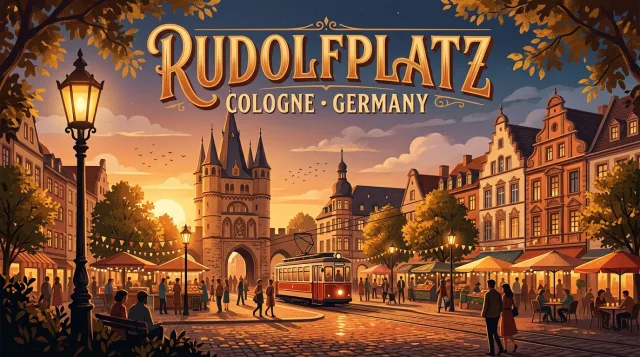
Rudolfplatz
Rudolfplatz is a lively square around the medieval Hahnentorburg gate, known for its vibrant nightlife and restaurants.
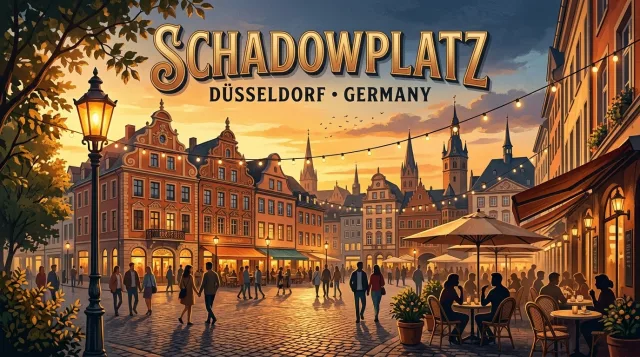
Schadowplatz
Schadowplatz is a lively transit and shopping hub in central Düsseldorf, where several of the city's most important pedestrian streets converge.
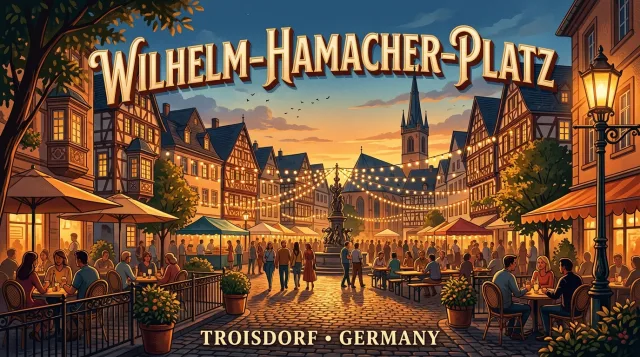
Wilhelm-Hamacher-Platz
Wilhelm-Hamacher-Platz in Troisdorf-Mitte is a central square in the pedestrian zone right next to Galerie Troisdorf, named after the local mayor and first NRW Minister of Culture Dr. Wilhelm Hamacher.
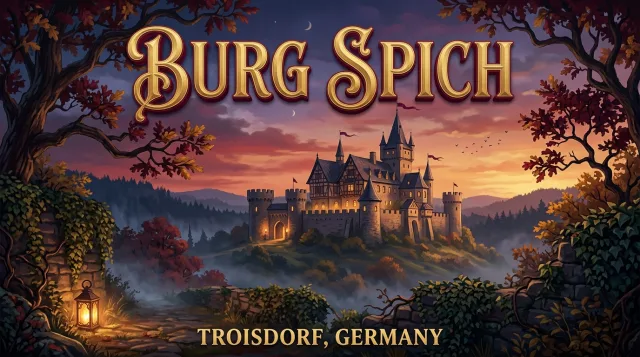
Burg Spich
Burg Spich in Troisdorf-Spich is a listed manor house from 1866 with medieval roots and invites visitors to explore the local aristocratic history.
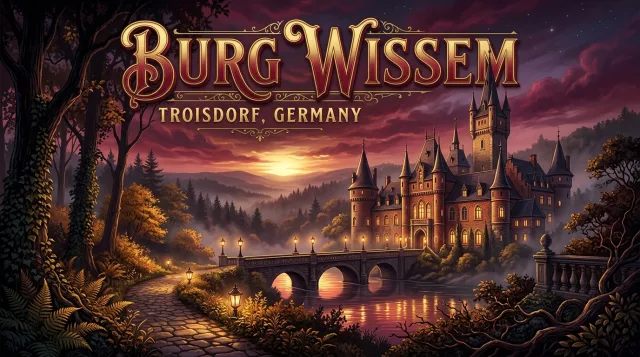
Burg Wissem
Burg Wissem in Troisdorf is the town’s landmark, combining a unique picture-book museum, a nature portal and a castle park into a family-friendly cultural and leisure destination on the edge of the Wahner Heide.
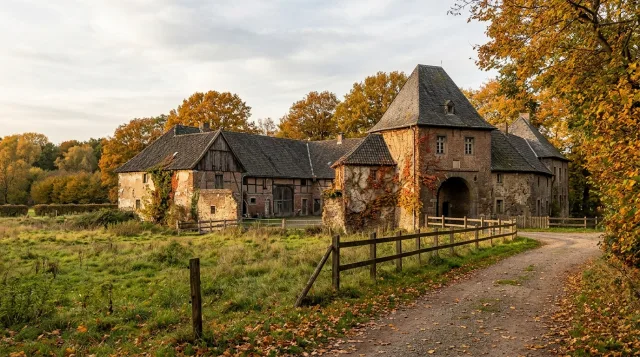
Die Pescher Vorburg
Die Pescher Vorburg is the surviving outer bailey of a once larger historic castle complex in Cologne's Pesch district, still bearing witness to the area's rural settlement history.
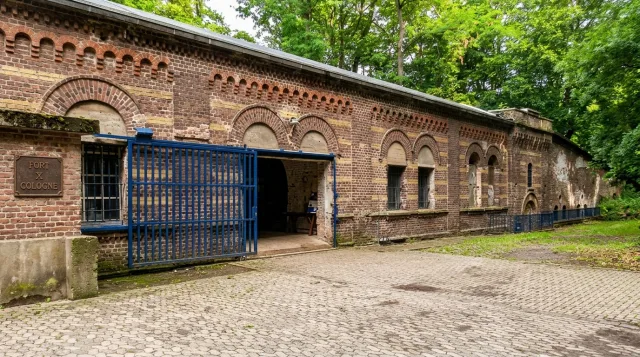
Fort IV
Fort IV is a large, well-preserved structure of Cologne's outer fortress ring in the Bocklemünd district, known for its underground casemates that can be explored on guided tours.
Fort X, Cologne
Fort X is one of the last architecturally intact structures of Cologne's early 19th-century inner fortress ring and today houses a popular rose garden in Neustadt-Nord.
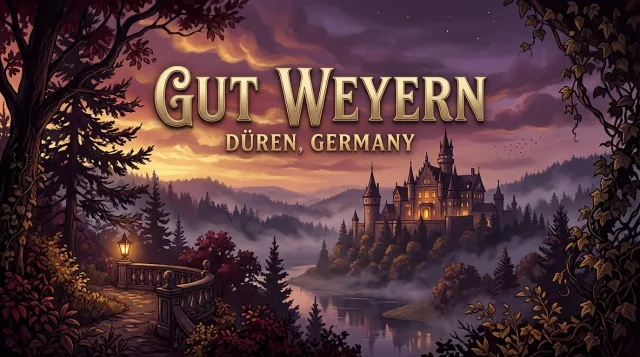
Gut Weyern
A protected early-18th-century manor estate in the Burgauer Wald near Düren, surrounded by a moat and historic outbuildings.
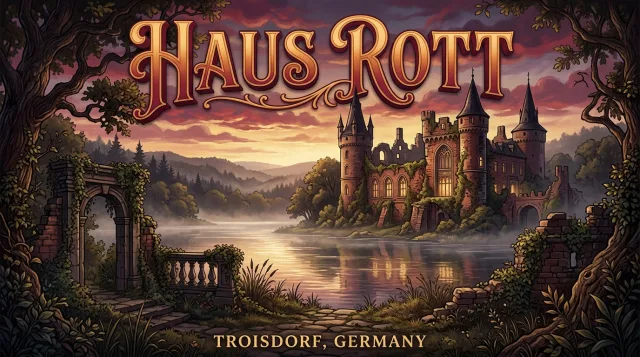
Haus Rott
Haus Rott in Troisdorf is a former manor house with medieval water-castle remains at Rotter See, combining history with present-day leisure use.
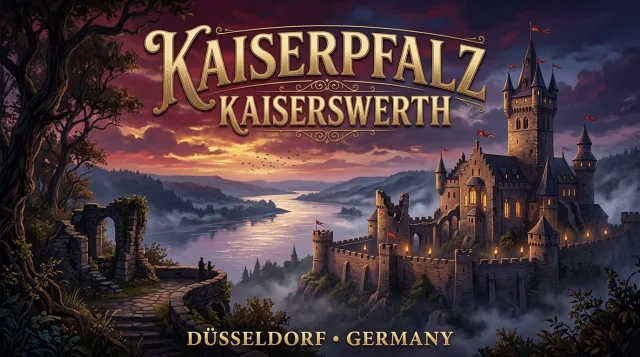
Kaiserpfalz Kaiserswerth
The imposing ruins of the Kaiserpfalz Kaiserswerth on the Rhine riverbank recall what was once Emperor Frederick Barbarossa's most powerful Rhine fortress and rank among Düsseldorf's oldest surviving structures.
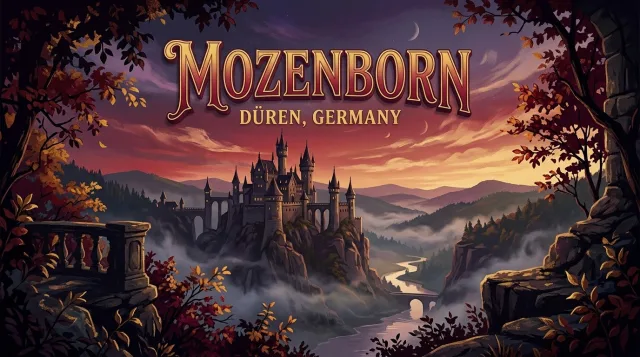
Mozenborn
A centuries-old noble estate in Düren's Birgel district, featuring an 1789 manor house and the remains of an older, moat-encircled fortified residence.
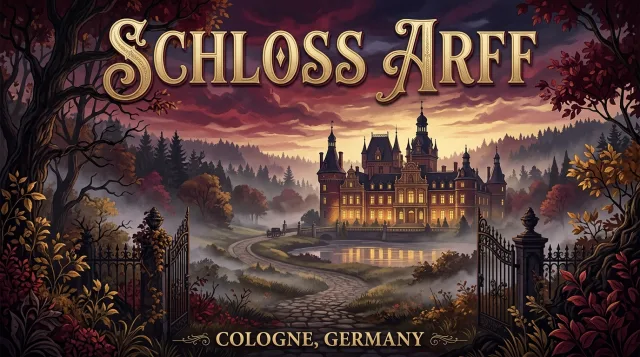
Schloss Arff
Schloss Arff is a Baroque manor house in Cologne's Roggendorf/Thenhoven district, with roots reaching back to the 14th century and now serving as an elegant event venue.
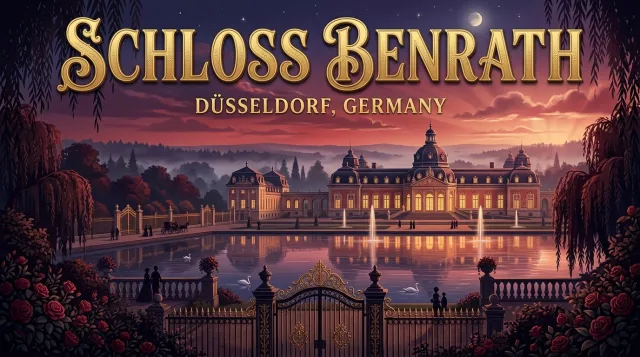
Schloss Benrath
This soft-pink pleasure palace in Düsseldorf's Benrath district, with its reflecting pond and harmonious three-wing layout, ranks among the finest Rococo buildings on the Rhine.
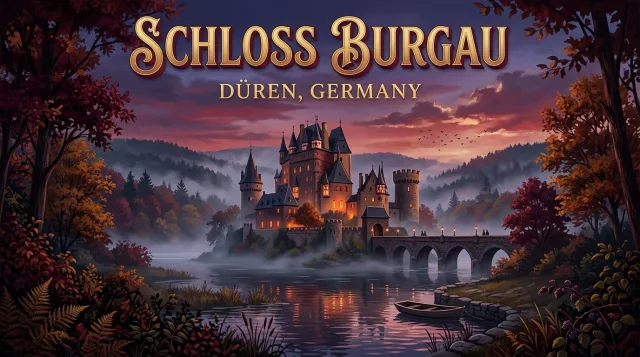
Schloss Burgau
A well-preserved medieval moated castle in the Burgauer Wald near Düren-Niederau, now used as an exhibition and events venue.
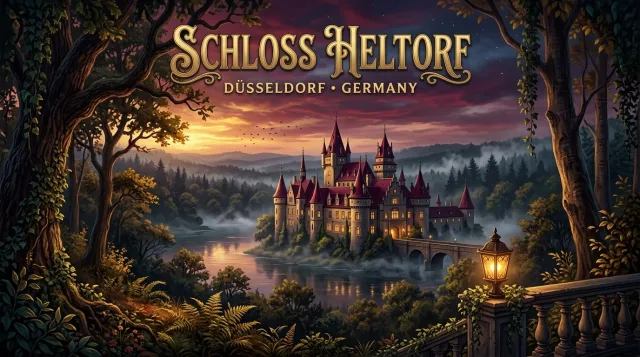
Schloss Heltorf
Schloss Heltorf in Angermund is a moated castle that has belonged to the Counts of Spee for more than 350 years, set within one of the Rhineland's most important landscape parks.
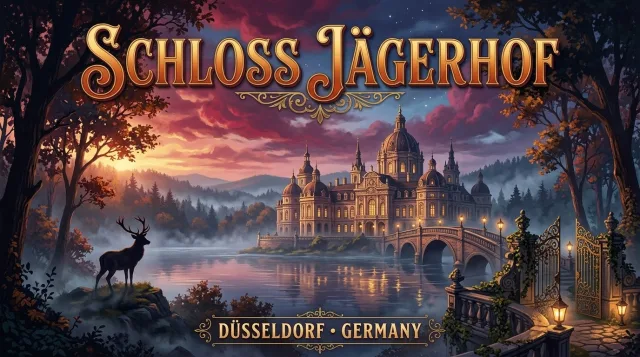
Schloss Jägerhof
This elegant Rococo hunting lodge on the edge of Düsseldorf's Hofgarten park in Pempelfort was built in the 18th century as the seat of the electoral master of the hunt, then rebuilt after wartime destruction.
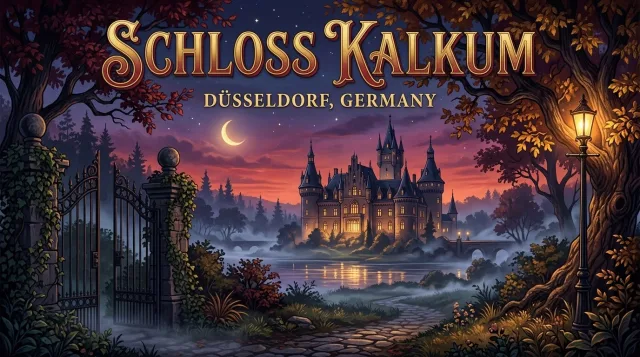
Schloss Kalkum
This Neoclassical moated castle in Düsseldorf's Kalkum district features four wings, two striking corner towers and a water moat that fully encircles the building within an expansive landscape park.
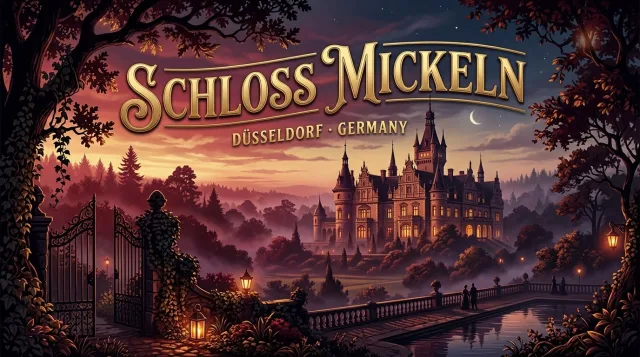
Schloss Mickeln
Schloss Mickeln is a neoclassical manor house in Himmelgeist that has served as Heinrich Heine University's conference center and guesthouse since 2000.
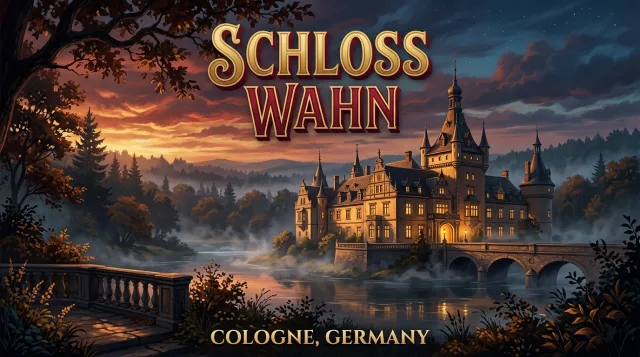
Schloss Wahn
A Baroque moated castle in Cologne's Wahn district, home since 1955 to the University of Cologne's Theatre Studies Collection and a popular civil wedding venue.
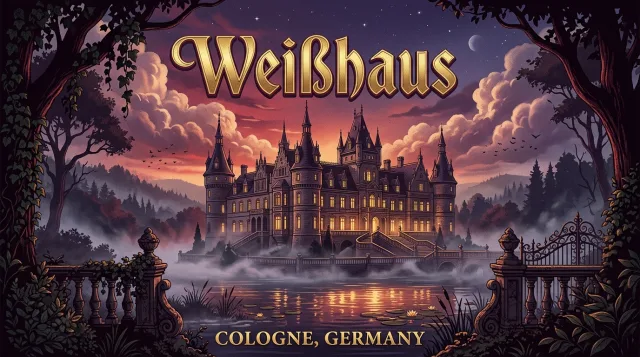
Weißhaus
The Weißhaus is a historic moated manor house in Cologne-Sülz with a history spanning more than 600 years, now privately owned and closed to the public.
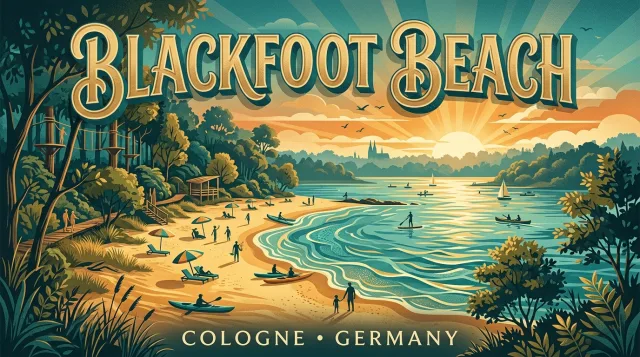
Blackfoot Beach
Blackfoot Beach on the Fühlinger See in Cologne-Chorweiler combines a sandy beach, high-ropes course, aqua park and stand-up paddling across 36,000 square meters - urban beach feeling with an adventure twist.
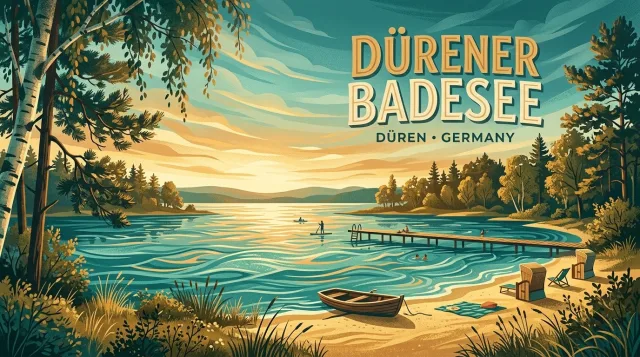
Dürener Badesee
A popular recreational lake between Gürzenich, Derichsweiler and Mariaweiler, featuring a fine sandy beach, a water-ski facility and a wide range of water sports.
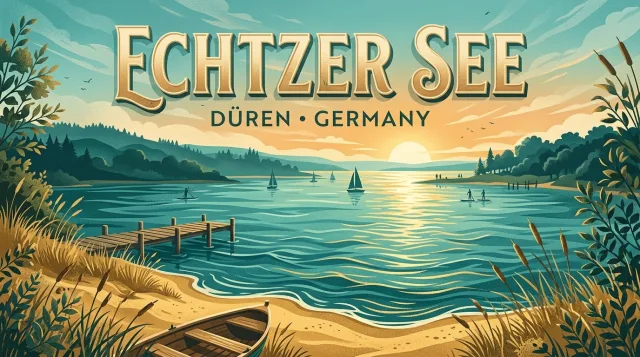
Echtzer See
A quiet, tree-lined recreational lake near Echtz with a campsite, dining options and a depth of up to 18 metres that is popular with divers.
Escher See / Monkey's Island Köln
<p>Escher See in northern Cologne is a former gravel-extraction lake associated with the beach-club destination Monkey's Island. Check the current operating status, admission arrangements and swimming permissions before travelling.</p>
km 689 Cologne Beach Club
Right next to the Tanzbrunnen in Cologne-Deutz, km 689 Cologne Beach Club turns the Rhine riverbank into an urban beach with over 1,000 tons of sand, cocktails, DJ sundowners and views of the Old Town.
Lörick Strandbad
A classic outdoor pool right on the Rhine in Lörick, with a 50-metre pool, paddling areas, a large lawn and views of the Paradieshafen marina.
Oberkassel Rheinstrand
A wide riverside meadow on the left bank of the Rhine in Oberkassel, between the two bridges, with free access and open views of the old town skyline.
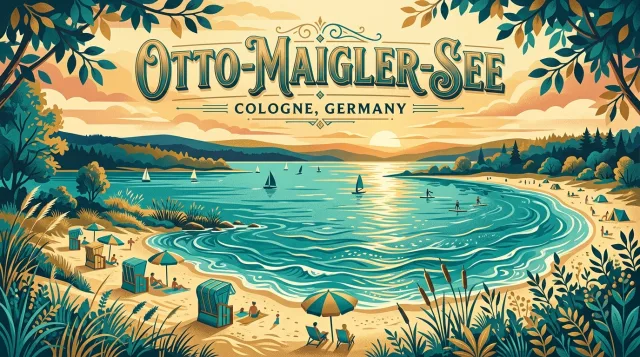
Otto-Maigler-See
Otto-Maigler-See in Hürth, right on Cologne's doorstep, offers a sandy beach, beach club and lakeside terrace on a former lignite mine - rated a recommended bathing lake by Stiftung Warentest since 2008.
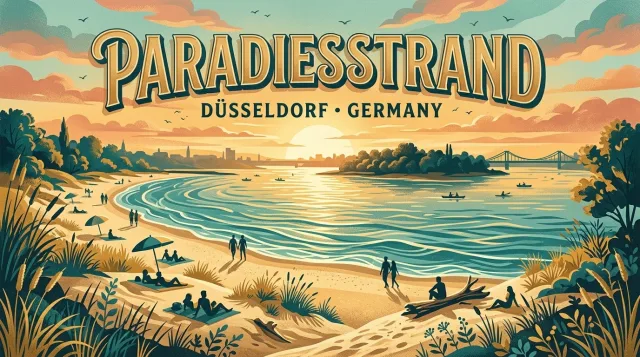
Paradiesstrand
A natural sand-and-gravel beach right on the Rhine, just steps from the Medienhafen district and a favourite spot for sunbathers and riverside strolls.
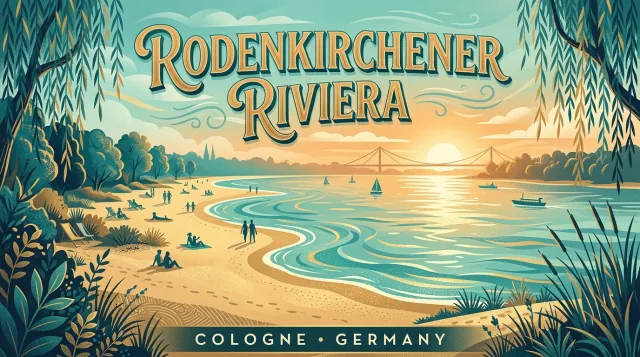
Rodenkirchener Riviera
Small sandy coves have formed between the groynes along the Rhine in Cologne-Rodenkirchen, affectionately known as the Rodenkirchener Riviera - a free riverside gathering spot with Rhine views.
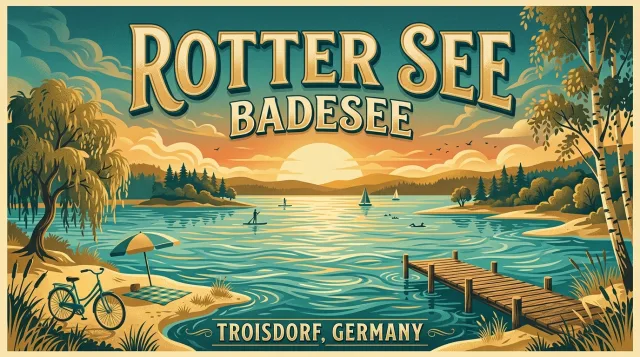
Rotter See Badesee
Rotter See Badesee in Troisdorf offers free swimming at a sandy beach with large lawns, DLRG supervision on weekends and excellent water quality.
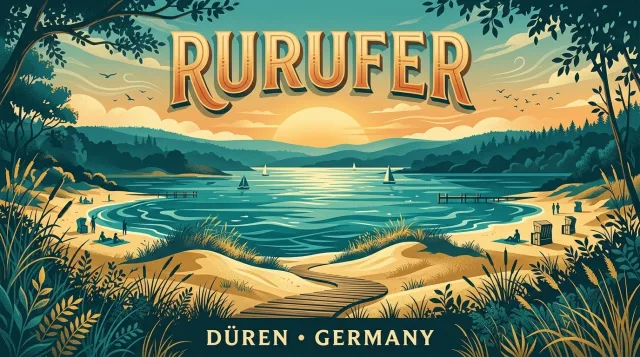
Rur Riverbank
Natural riverside stretches along the Rur right through Düren, ideal for walks, cycling tours and quiet recreation amid greenery.
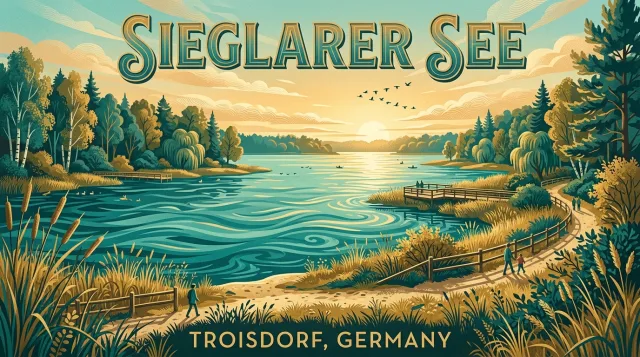
Sieglarer See
Sieglarer See in Troisdorf is a natural gravel-pit lake within the Siegaue protected area, featuring idyllic circular paths and rich bird breeding sites on two islands.
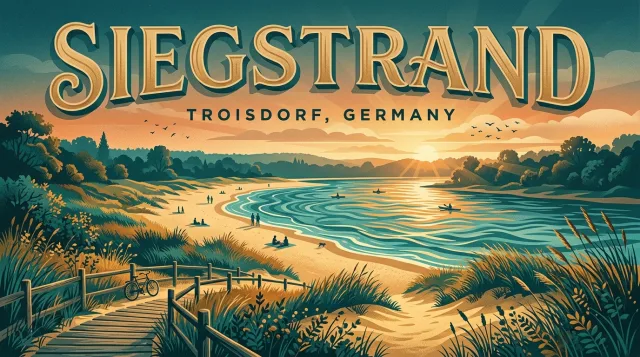
Siegstrand
Siegstrand in Troisdorf-Bergheim offers natural riverbanks along the Sieg for sunbathing and relaxing in the protected Siegaue nature reserve.
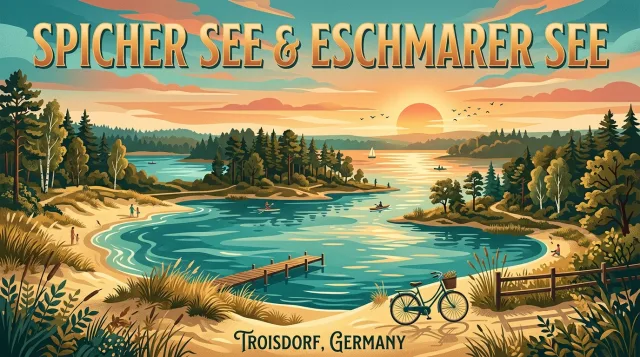
Spicher See & Eschmarer See
The Spicher See & Eschmarer See in Troisdorf are quiet gravel-pit lakes ideal for birdwatching and cycling tours along protected biotopes.
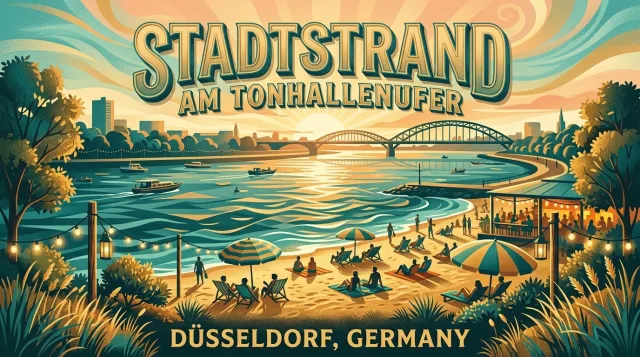
Stadtstrand am Tonhallenufer
A seasonal pop-up sand beach with deck chairs, a bar and a permanent stage right by the Tonhalle, known for live music and cultural events on the Rhine.
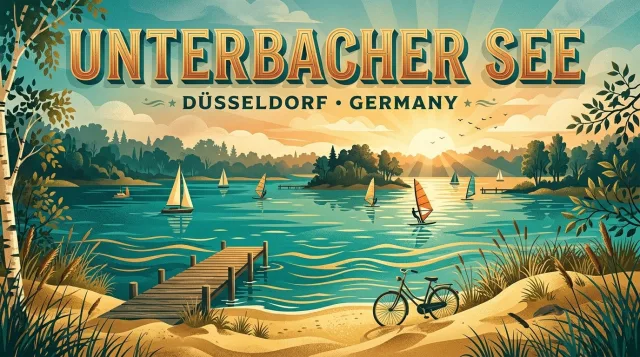
Unterbacher See
A large recreational lake on the edge of Düsseldorf with two supervised beaches, water sports, camping and consistently excellent water quality.
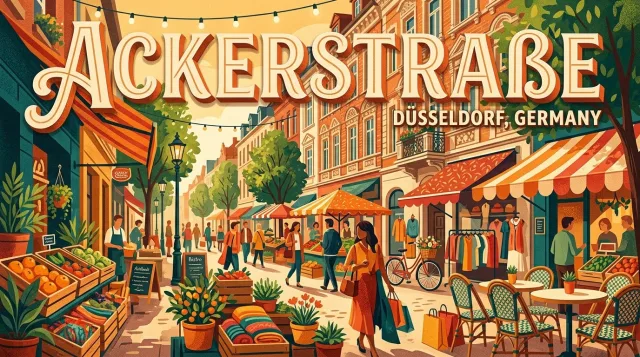
Ackerstraße
The creative shopping street of Flingern-Nord, lined with independent boutiques, vintage and record shops, concept stores and a lively café culture.
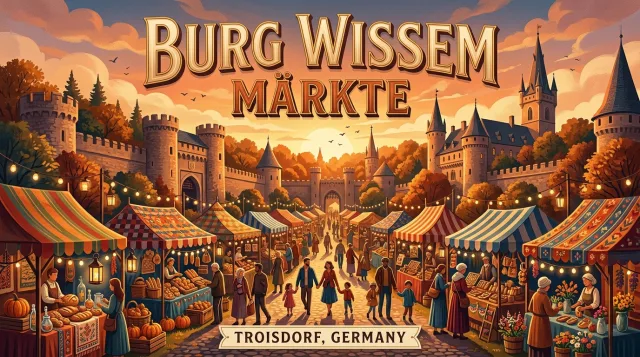
Burg Wissem Märkte
The Burg Wissem Märkte in Troisdorf offer seasonal antique, craft and Christmas markets in a historic setting with regional products and free admission.
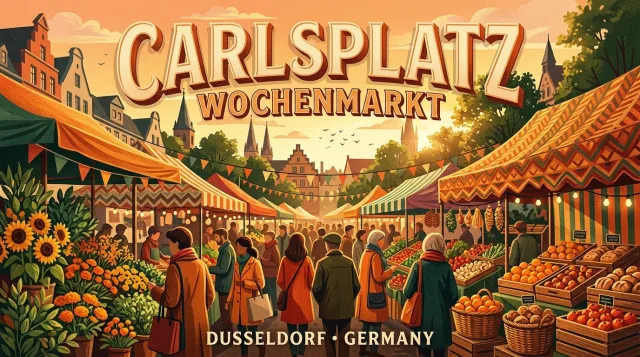
Carlsplatz Wochenmarkt
The Carlsplatz Wochenmarkt in the Carlstadt district is Düsseldorf's most traditional market, offering fresh produce, regional cheese, fish and flowers alongside crispy Reibekuchen straight from the stall.
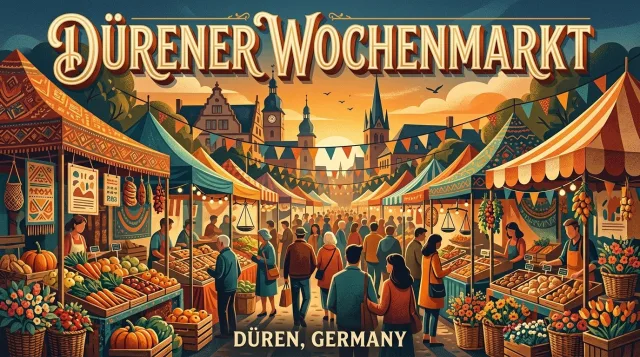
Dürener Wochenmarkt
The traditional weekly market on Düren's market square, offering fresh fruit, vegetables, flowers and regional specialities three times a week.
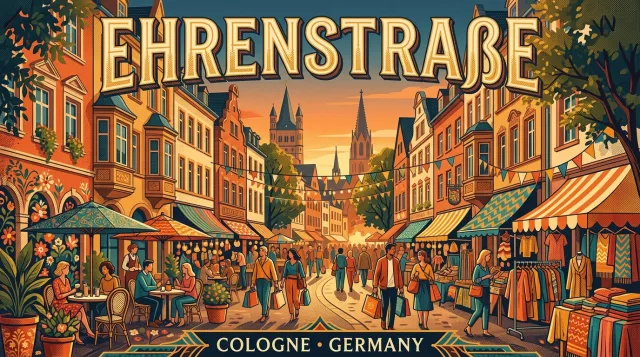
Ehrenstraße
Running through the Belgian Quarter, Ehrenstraße is Cologne's trendiest shopping street for boutiques, concept stores and designer fashion, set against elegant late-19th-century façades and a lively café scene.
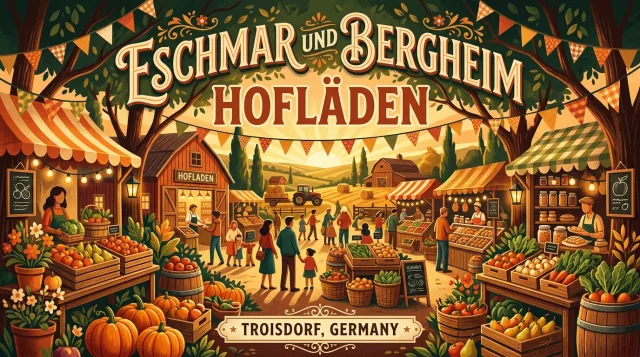
Eschmar und Bergheim Hofläden
The Eschmar und Bergheim Hofläden in Troisdorf offer fresh regional products direct from the producer – from potatoes and asparagus to free-range eggs and meat in a personal atmosphere.
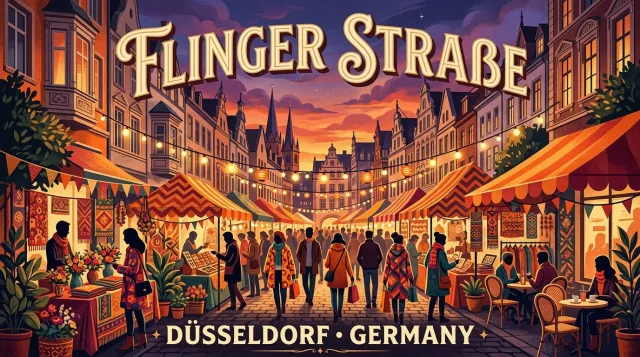
Flinger Straße
One of the busiest pedestrian shopping streets in Düsseldorf's Old Town, lined with fashion stores, the Uerige brewpub and centuries of history.
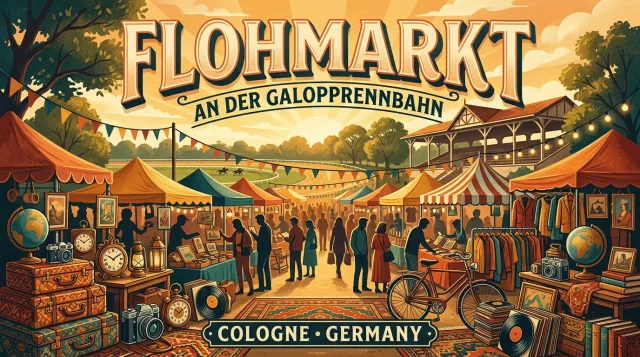
Flohmarkt an der Galopprennbahn
A large flea market held on the parking grounds of the Galopprennbahn horse racing track in Weidenpesch, open several times a week with antiques and second-hand goods.
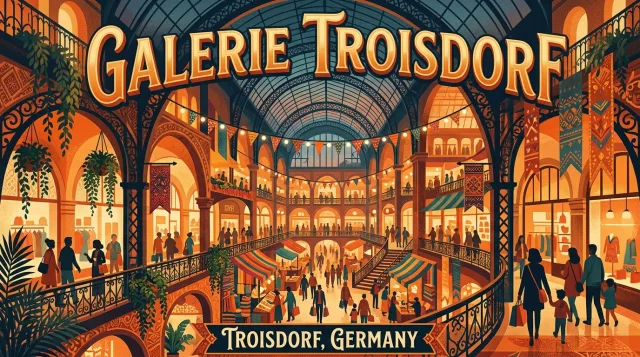
Galerie Troisdorf
Galerie Troisdorf is the modern shopping centre in the heart of the city centre offering fashion, drugstore products, dining and direct links to Kaufland and the train station.
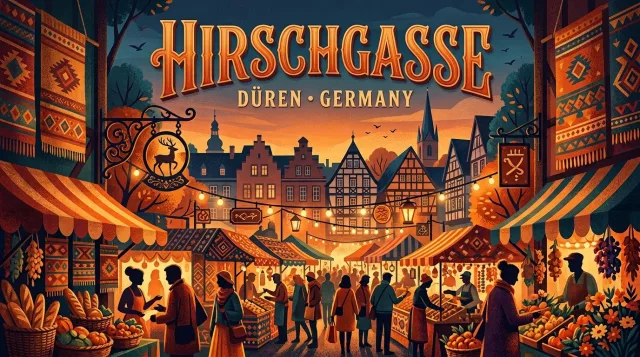
Hirschgasse
A short, historic alley between the market square and Wirtelstraße, home to individual boutiques and small specialty shops.
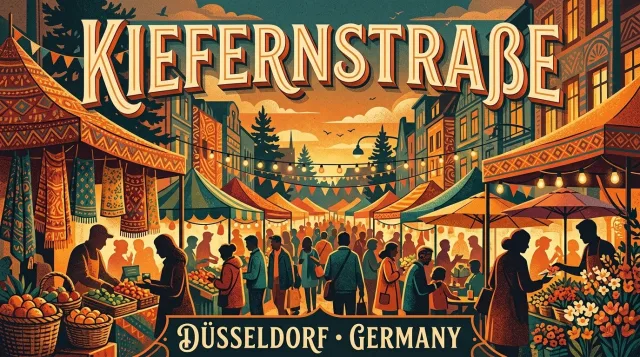
Kiefernstraße
A 380-metre residential street in Flingern-Süd where more than 200 metres of house facades are covered in striking street art and graffiti.
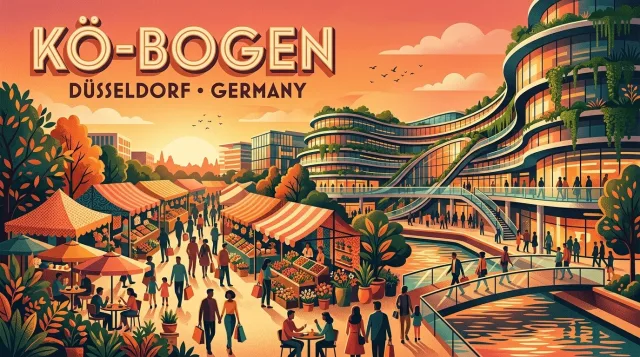
Kö-Bogen
The Kö-Bogen is a modern shopping and office complex designed by Daniel Libeskind on Königsallee, combining retail, architecture and green spaces in the heart of Düsseldorf since 2013.
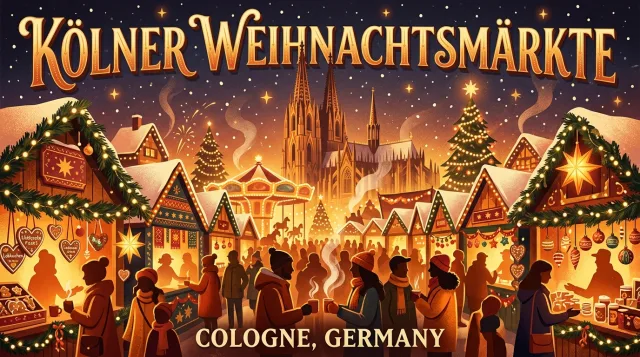
Kölner Weihnachtsmärkte
The Kölner Weihnachtsmärkte spread across several squares in Cologne's city centre, from the famous market in front of the cathedral to Heinzels Wintermärchen at Alter Markt, drawing millions of visitors every year.
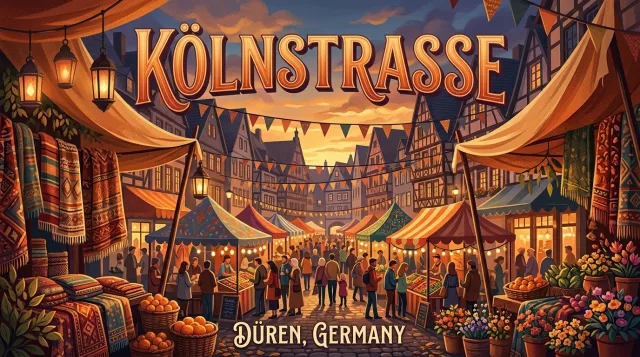
Kölnstraße
A historic shopping street running from Düren's market square to Am Pletzerturm, with boutiques, cafés, the Konrad-Adenauer-Park and the site of the former Kölntor gate.
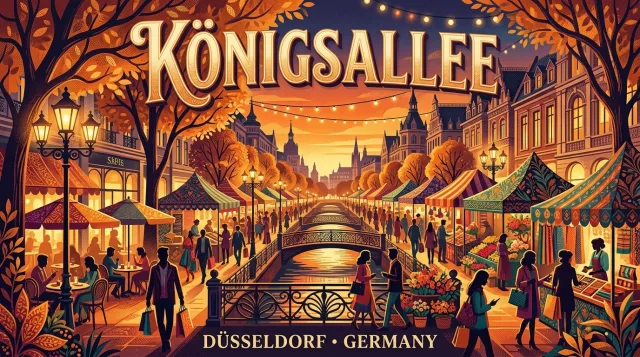
Königsallee
The Königsallee, affectionately called "Kö", is Düsseldorf's world-famous boulevard with a tree-lined canal running down its center and some of Europe's most exclusive fashion houses lining both banks.
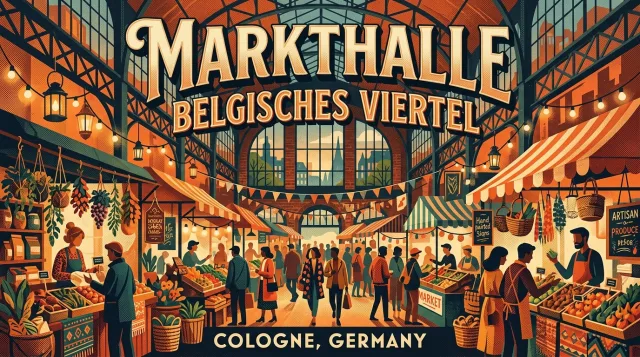
Markthalle Belgisches Viertel
A former indoor market and food hall in the Belgian Quarter whose current operating status is uncertain according to recent sources - check before visiting.
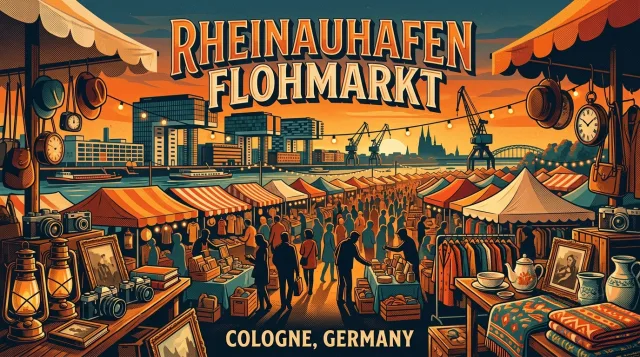
Rheinauhafen Flohmarkt
A seasonal flea and antiques market on the Rheinauhafen promenade, usually held around Pentecost and in summer, often paired with a classic car meet and street food.
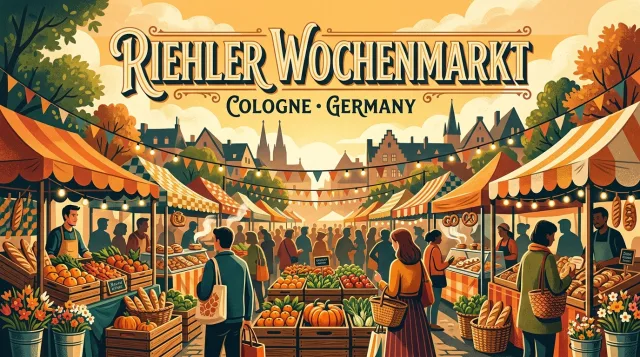
Riehler Wochenmarkt
A relaxed neighborhood market on Riehler Gürtel, held Wednesdays and Saturdays with fresh produce, fish and flowers, just steps from Cologne Zoo.
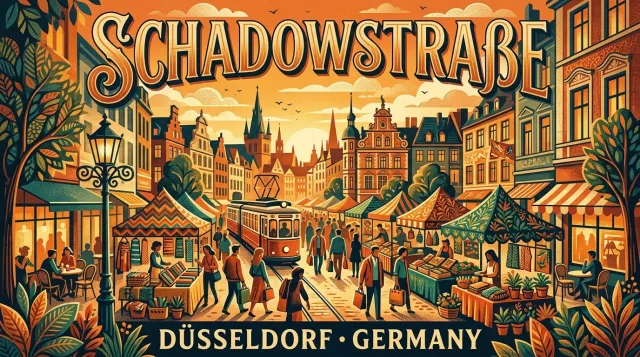
Schadowstraße
Schadowstraße is Düsseldorf's busiest shopping street, a 670-meter pedestrian zone between Königsallee and Schadowplatz lined with major department stores, the Schadow-Arkaden mall and countless brands for every budget.
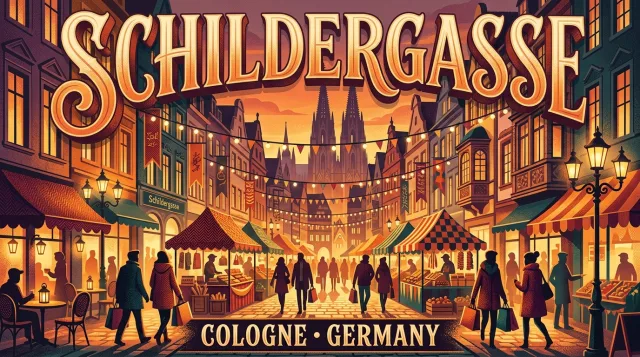
Schildergasse
With roughly 13,000 pedestrians passing through every hour, Schildergasse in Cologne's city centre is one of the busiest shopping streets in Europe, linking Hohe Straße with Neumarkt.
Seasonal Markets
The major recurring festivals of Düren's city centre, from the Frühlingsfest and Annamarkt to the Herbstmarkt and Weihnachtsmarkt.
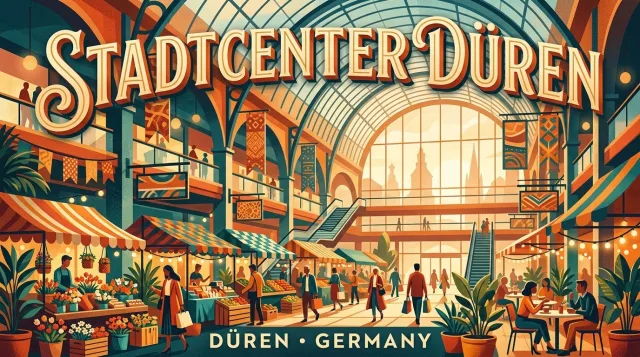
StadtCenter Düren
Düren's largest covered shopping centre near the central railway station, with over 50 shops including Saturn and H&M.
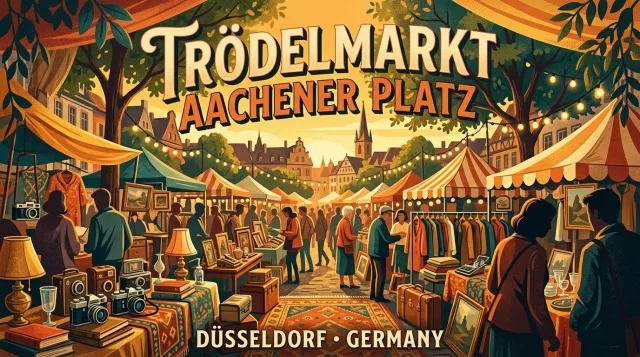
Trödelmarkt Aachener Platz
The Trödelmarkt Aachener Platz in Düsseldorf-Bilk is considered Germany's oldest weekly flea market, drawing crowds every Saturday since 1976 with antiques, second-hand finds and all kinds of curiosities.
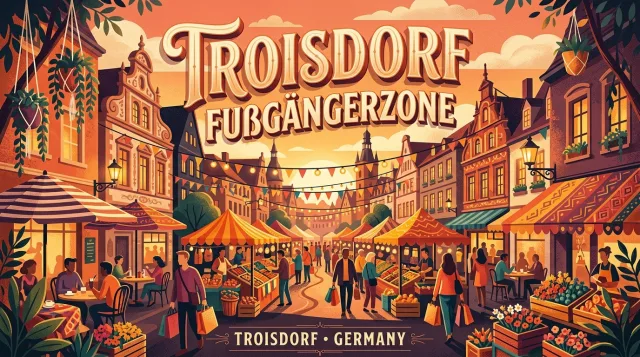
Troisdorf Fußgängerzone
The Troisdorf Fußgängerzone along Kölner Straße is the roughly 1.5 km long car-free promenade in the centre of Troisdorf featuring shops, cafés, artworks and water features.
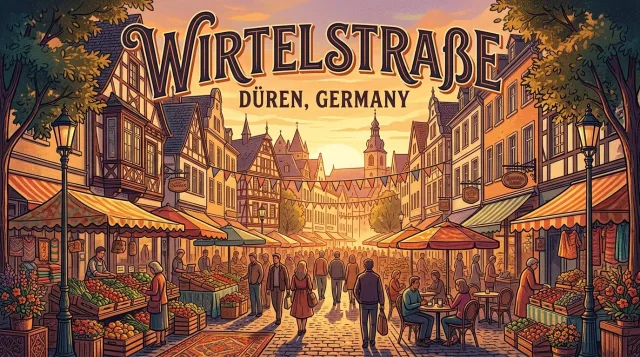
Wirtelstraße
The central, car-free shopping street of Düren's city centre, lined with fashion chains, cafés and smaller shops.
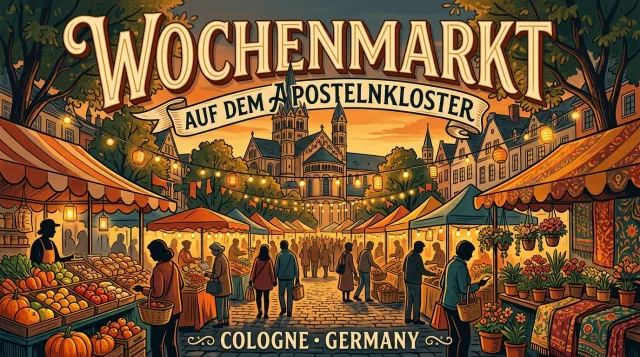
Wochenmarkt auf dem Apostelnkloster
A traditional neighborhood market right outside the Romanesque St. Aposteln church, held Tuesdays and Fridays with fresh produce, fish and cheese from the Rhineland.
Wochenmarkt Troisdorf
The Wochenmarkt Troisdorf on Fischerplatz offers fresh regional produce, clothing and accessories three times a week – the Thursday fresh-food market is a particular highlight of the city centre.
🏛️ Museum in North Rhine-Westphalia 2026/2027
Aquazoo Löbbecke Museum
The Aquazoo Löbbecke Museum in Düsseldorf's Nordpark combines a zoo, aquarium and natural history museum under one roof, home to around 6,000 animals from more than 570 species.
Bilderbuchmuseum
The Bilderbuchmuseum in Burg Wissem, Troisdorf, is Europe’s only specialised museum for picture-book illustration, offering collections, temporary exhibitions and a large reference library to explore.
Bundeskunsthalle
Visit Bundeskunsthalle in Bonn and discover exhibitions, architecture, opening hours, ticket prices, public transport and nearby attractions.
Classic Remise Düsseldorf
Set inside a restored 1930s roundhouse locomotive shed, Classic Remise Düsseldorf combines vintage car workshops, dealers and glass showcase displays under one roof - free admission.
Deutsches Sport & Olympia Museum
The Deutsches Sport & Olympia Museum in the Rheinauhafen harbour displays around 2,000 objects on sport history from antiquity to today across 2,700 square metres, with hands-on stations and two playing fields on the roof.
Duftmuseum im Farina-Haus
The Duftmuseum im Farina-Haus sits at the birthplace of genuine Eau de Cologne from 1709 and tells the story of the world's oldest family of perfumers.
Filmmuseum Düsseldorf
Filmmuseum Düsseldorf, in the Palais Wittgenstein, presents the history of cinema across roughly 2,200 square metres, from early optical devices to digital special effects, complemented by the Black Box arthouse cinema.
Fischereimuseum Bergheim an der Sieg
The Fischereimuseum Bergheim an der Sieg presents the more than 1,000-year history of the Fishing Brotherhood and the culture of inland fishing on the Sieg and in the Siegaue nature reserve.
Goethe-Museum
Housed in Schloss Jägerhof, the Goethe-Museum holds around 50,000 objects related to Johann Wolfgang von Goethe, including manuscripts, letters, artworks and an extensive research library.
Haus der Geschichte
Haus der Geschichte in Bonn explores German history since 1945 through more than 3,800 historical objects, interactive exhibitions and personal stories. Admission is free, making it an excellent cultural attraction on Bonn's Museumsmeile.
Heinrich-Heine-Institut
On Bilker Straße, the Heinrich-Heine-Institut explores the life and work of poet Heinrich Heine through its archive, research library and the permanent exhibition "Romantik und Revolution".
Hetjens-Museum / Deutsches Keramikmuseum
Housed in the Palais Nesselrode in the Carlstadt district, the Hetjens-Museum presents roughly 8,000 years of ceramic history from around the world, from East Asian porcelain to contemporary pottery.
Kölner Karnevalsmuseum
The Kölner Karnevalsmuseum in Ehrenfeld showcases more than 200 years of Cologne Carnival history and culture across over 1,400 square meters.
Kolumba – Kunstmuseum des Erzbistums
Kolumba is the art museum of the Archdiocese of Cologne, a Peter Zumthor-designed building rising above the ruins of St. Kolumba church, with a collection spanning late antiquity to the present reinstalled anew each year.
Kunsthaus Troisdorf
The Kunsthaus Troisdorf is the centre of the independent art and music scene with studios, a municipal gallery, exhibitions and concerts.
Kunstmuseum Bonn
Kunstmuseum Bonn features around 9,000 artworks, including important works by August Macke, Rhenish Expressionists and leading German artists after 1945. Discover modern art, temporary exhibitions and remarkable architecture on Bonn's Museumsmeile.
Kunstsammlung Nordrhein-Westfalen K20
Kunstsammlung Nordrhein-Westfalen K20 on Grabbeplatz houses one of the world's largest Paul Klee collections alongside major works by Picasso, Matisse and Warhol in a striking black granite building.
Kunstsammlung Nordrhein-Westfalen K21
Kunstsammlung Nordrhein-Westfalen K21, in the historic Ständehaus, presents international contemporary art beneath a spectacular glass dome featuring Tomás Saraceno's walkable installation "in orbit".
Leopold-Hoesch-Museum
The Leopold-Hoesch-Museum on Hoeschplatz in Düren presents major works of German Expressionism and international paper art inside a historic 1905 building with a modern extension.
Museum für Angewandte Kunst Köln - MAKK
The Museum für Angewandte Kunst Köln - MAKK has shown applied arts and design from the Middle Ages to today since 1888, with permanent exhibitions "Kunst + Design im Dialog" and "Faszination Schmuck. 7000 Jahre Schmuckkunst im MAKK."
Museum Koenig
Museum Koenig in Bonn explores the planet's biodiversity through realistic habitats, historic dioramas and interactive exhibitions. Discover African savannahs, tropical rainforests, polar wildlife and aquatic ecosystems, with admission starting at €6.00.
Museum Kunstpalast
Museum Kunstpalast at the Ehrenhof brings together old masters such as Rubens, the world-famous Hentrich glass collection and modern art under one roof on the banks of the Rhine.
Museum Ludwig
Right next to Cologne Cathedral, Museum Ludwig combines one of the world's largest Picasso collections with Pop Art by Andy Warhol and a major photography collection.
MUSIT - Museum für Stadt- und Industriegeschichte
The MUSIT - Museum für Stadt- und Industriegeschichte in Troisdorf presents the city’s urban and industrial history since 1800 with a special focus on the plastics industry.
NS-Dokumentationszentrum im EL-DE-Haus
The NS-Dokumentationszentrum im EL-DE-Haus, the former Cologne Gestapo headquarters, documents the Nazi era in Cologne with its original preserved prison cells.
Papiermuseum Düren
An interactive museum celebrating Düren centuries-old papermaking tradition, featuring over 30,000 historic watermarked papers and hands-on workshops.
Portal Wahner Heide
The Portal Wahner Heide at Burg Wissem in Troisdorf is the free information centre for the species-rich Wahner Heide nature reserve with an interactive exhibition and direct access to the heath.
Rautenstrauch-Joest-Museum
The Rautenstrauch-Joest-Museum on Neumarkt is one of Germany's largest ethnological museums, holding around 60,000 objects from Africa, Asia, the Americas and Oceania alongside a critical examination of its own colonial collecting history.
Römisch-Germanisches Museum
The Römisch-Germanisches Museum displays the famous Dionysus Mosaic and Roman treasures from Colonia - currently shown on a temporary basis at the Belgisches Haus near Neumarkt.
Schifffahrtmuseum im Schlossturm
Housed in the historic Schlossturm on the Rhine embankment, this maritime museum traces the history of Rhine navigation through ship models and original navigation instruments.
Schnütgen Museum
The Schnütgen Museum on Cäcilienstraße displays medieval Christian art inside the Romanesque Cäcilienkirche, from ivory carvings to stained glass, based on Alexander Schnütgen's 1906 donation to the city of Cologne.
Schokoladenmuseum
At the glass Schokoladenmuseum in the Rheinauhafen, visitors experience the story of chocolate firsthand - from the cacao bean to the Lindt chocolate fountain.
Stadtmuseum Düren
A volunteer-run city museum on Arnoldsweilerstraße that presents the history of Düren chronologically from the year 747 to the present day.
Wallraf-Richartz-Museum & Fondation Corboud
The Wallraf-Richartz-Museum & Fondation Corboud showcases European painting from the Middle Ages to Impressionism, from Stefan Lochner to Claude Monet, in the heart of Cologne's old town.
🏛️ Historic Building in North Rhine-Westphalia 2026/2027
4711 Stammhaus in der Glockengasse
The 4711 Stammhaus in der Glockengasse is the historic birthplace of the world-famous Eau de Cologne, now home to a fragrance house with a museum, fountain and guided tours.
Bayenturm
The Bayenturm is an imposing, roughly 35-metre-high defensive tower of Cologne's medieval city wall at Rheinauhafen, now home to the FrauenMediaTurm, a feminist archive.
Dicker Turm
A round watchtower built in 1493 on the grounds of the Stiftisches Gymnasium, one of the last surviving parts of Düren medieval city wall.
Ehemalige Dynamit Nobel Industrieanlagen
The Ehemalige Dynamit Nobel Industrieanlagen in Troisdorf are a historic industrial site with a long explosives and plastics tradition, today partly used as IndustrieStadtpark and not publicly accessible.
Eigelsteintorburg
Eigelsteintorburg is one of three surviving medieval gate towers of Cologne's former city wall, standing prominently at Ebertplatz in Altstadt-Nord.
Gierfähre über die Sieg
The Gierfähre über die Sieg is one of the last one-man reaction ferries in Germany and connects Troisdorf-Bergheim with Bonn in the Siegaue.
Gürzenich Köln
Gürzenich Köln is a 15th-century late-Gothic festival hall and remains one of the city's most important event venues and carnival landmarks.
Hahnentorburg
Hahnentorburg on Rudolfplatz is one of only a few surviving medieval city gates of Cologne, once the ceremonial entrance for newly crowned kings.
Haus Broich
Haus Broich in Troisdorf-Spich is a listed late-Renaissance manor house with adjoining park that can be viewed from the outside and in the park.
Historisches Rathaus
Historisches Rathaus on Rathausplatz is considered Germany's oldest city hall, combining a Gothic tower, a Renaissance loggia and the Spanischer Bau in one complex.
Kaiser-Wilhelm-Ring
One of Oberkassel's finest streets: the Kaiser-Wilhelm-Ring impresses with its densely preserved Gründerzeit and Jugendstil facades from around 1900.
Komm-Kulturzentrum
A socio-cultural center housed in the historic Pleußmühle, documented since 1261, hosting concerts, comedy, and workshops since 1992.
Landtag Nordrhein-Westfalen
Completed in 1988, the Landtag Nordrhein-Westfalen impresses with its circular architecture right on the Rhine, at the edge of the modern Medienhafen district.
Mona-Lisa-Turm
A small brick tower in Schillingspark in Gürzenich, built in the 19th century using a sandstone lintel dated 1555 from the demolished Burg Gürzenich castle.
Neuer Zollhof
Frank Gehry's three sculptural office buildings in the Medienhafen are among Düsseldorf's most photographed landmarks.
Overstolzenhaus
Overstolzenhaus on Rheingasse is one of the oldest surviving patrician houses in Germany, built around 1230.
Rathaus Düren
A listed 1950s town hall with a distinctive clock tower and mosaic coat of arms, built after its historic predecessor was destroyed in 1944.
Rathaus Düsseldorf
Düsseldorf's historic Rathaus on Marktplatz combines Renaissance, Baroque, and postwar architecture and remains the seat of the city administration today.
Ratinger Tor
Düsseldorf's last surviving city gate: the neoclassical Ratinger Tor, built 1811-1815, marks the transition from the Altstadt to the Hofgarten park.
Römergrab
The Römergrab in Cologne's Weiden district is one of the best-preserved Roman burial chambers north of the Alps, offering a rare and direct glimpse into Cologne's ancient burial culture.
Rotes Haus
The Rotes Haus is not a publicly accessible museum in Troisdorf; the listed Rote Kolonie and other historic buildings of the city are worth seeing.
Severinstorburg
The Severinstorburg on Chlodwigplatz is one of only four surviving medieval city gates of Cologne, now home to a Carnival society and the city's registry office annex.
Stadtbücherei
The oldest city library in the Rhineland, founded in 1870, now housed in the Haus der Stadt built in 1991 with around 62,000 items and a modern lounge atmosphere.
Stadttor Troisdorf
The Stadttor Troisdorf comprises the two modern art gates by Bandau and Bonato at the ends of the pedestrian zone and is freely accessible at any time.
Stapelhaus
The Stapelhaus on Frankenwerft is a historic Cologne trading building that recalls the city's medieval staple right, its distinctive stair tower shaping the Rhine riverfront.
Tonhalle Düsseldorf
Originally built as a planetarium in 1925/26, this circular building is now home to the Düsseldorfer Symphoniker and one of Europe's most unusual concert halls.
Ulrepforte
The Ulrepforte is a surviving section of Cologne's medieval city wall in Altstadt-Süd and the site of a legendary battle in 1268, today home to a carnival society.
Wilhelm-Marx-Haus
One of Europe's first skyscrapers: built in 1922-1924, the Wilhelm-Marx-Haus impresses with its brick-expressionist facade in the heart of Düsseldorf's Altstadt.
⛪ Church & Cathedral in North Rhine-Westphalia 2026/2027
Annakirche
The Annakirche is Düren's important pilgrimage church of St. Anna, rebuilt in 1954–1956 to designs by Rudolf Schwarz and home to the relic of Saint Anna.
Antoniterkirche
Antoniterkirche, a Gothic church on Schildergasse, was Cologne's first Protestant church and houses Ernst Barlach's world-famous memorial sculpture "Der Schwebende".
Christuskirche
The Christuskirche is Düren's most important Protestant church, built in 1953/54 to designs by Hentrich and Petschnigg and known for its once-tallest free-standing church tower in Germany.
Cologne Cathedral
This Gothic cathedral on the Rhine, home to the Shrine of the Three Kings, is Cologne's UNESCO World Heritage landmark and one of Germany's most visited sights.
DITIB Zentralmoschee
The DITIB Zentralmoschee in Cologne's Ehrenfeld district impresses with its glass dome and two 55-meter minarets as one of Germany's largest mosques.
Groß St. Martin
This Romanesque church with its striking crossing tower shapes, together with Cologne Cathedral, the famous Rhine skyline of Cologne's old town.
Johanneskirche
The Johanneskirche in Troisdorf-Mitte is the Protestant town church in neo-Romanesque style, remodelled into an open multifunctional church with a church café.
Johanneskirche
Düsseldorf's largest Protestant church on Martin-Luther-Platz blends Romanesque Revival architecture with modern Citykirche life and a café.
Karmel Düren
Karmel Düren is the monastery of the Discalced Carmelite nuns on Kölner Landstraße, established in 1903, known for its monastic bookbindery and the monastery church consecrated in 1913.
Kirche St. Hippolytus
The Kirche St. Hippolytus in Troisdorf-Mitte is the Catholic parish church with a history of more than 1,000 years, a Romanesque baptismal font and a well-known root nativity.
Marienkirche
The Marienkirche is the historic church of St. Marien on Hoeschplatz in Düren, rebuilt in 1949 after its destruction in 1944 and today a subsidiary church of the St. Lukas parish.
Maxkirche
The late Baroque Maxkirche in Carlstadt is famous for its outstanding acoustics and houses a faithfully reconstructed 18th-century organ.
Neanderkirche
The Neanderkirche is a 17th-century Baroque courtyard church hidden in the heart of Düsseldorf's Altstadt, named after the hymn writer Joachim Neander.
St. Andreas Dominikanerkirche
Behind a plain brick facade hides a magnificent Baroque church with rich stucco work, a princely mausoleum, and an active Dominican monastery.
St. Antonius
St. Antonius is the Catholic church of the Grüngürtel district, rebuilt in 1973–1975 to designs by Matthias Kleuters and known for its stained-glass windows by Ludwig Schaffrath.
St. Aposteln
St. Aposteln is one of Cologne's twelve great Romanesque churches on Neumarkt, known for its distinctive trefoil choir and roughly 67-metre west tower.
St. Georg (Altenrath)
The St. Georg (Altenrath) in Troisdorf is a Romanesque pillar basilica from the mid-12th century and one of the oldest places of worship in the region.
St. Gereon
St. Gereon is one of Cologne's twelve great Romanesque churches, famous for its unique 13th-century decagon built over a late antique oval core.
St. Joachim
St. Joachim is a Neoromanesque brick church built 1895–1897 in northern Düren, restored between 1976 and 1988 after wartime damage and still used today as a subsidiary church.
St. Josef
St. Josef is a brick church built in 1937/1938 in southern Düren, one of the few churches in the city to survive the Second World War unscathed with its original windows intact.
St. Kunibert
St. Kunibert is the youngest of Cologne's twelve great Romanesque churches, blending late Romanesque forms with early Gothic elements right on the bank of the Rhine in Altstadt-Nord.
St. Lambertus
The St. Lambertus in Troisdorf-Bergheim is the neo-Gothic parish church from 1869–1872 with roots going back to the 8th century and a baptismal font from the early period.
St. Lambertus Basilika
This Gothic basilica with its distinctive crooked tower is one of Düsseldorf's oldest churches and still defines the skyline of the Altstadt today.
St. Mariä Himmelfahrt
The St. Mariä Himmelfahrt in Troisdorf-Spich is the neo-Gothic Catholic parish church from 1860 and the centre of the community in the Spich district.
St. Maria im Kapitol
St. Maria im Kapitol is the largest of Cologne's twelve Romanesque churches, built over the remains of a Roman capitol temple and famed for its trefoil choir and thousand-year-old wooden door.
St. Maria Königin
The St. Maria Königin in Troisdorf-West is a modern tent church from 1960–62 (rebuilt 1974) with a striking glass façade by Ludwig Schaffrath.
St. Pantaleon
One of Cologne's oldest churches, featuring a tenth-century Ottonian westwork and the tomb of Byzantine empress Theophanu.
St. Peter
St. Peter in Birkesdorf is a parish church documented since 1308, built in neo-Gothic style by Vincenz Statz in 1853–1855, and the main church of the larger St. Franziskus/Düren parish since 2026.
St. Severin
St. Severin in Cologne's Südstadt is one of the city's oldest Christian sites, built above a late Roman burial ground.
St. Suitbertus Basilika
This Romanesque-Gothic basilica in picturesque Kaiserswerth holds the relics of its patron saint and ranks among the oldest churches on the Lower Rhine.
St. Ursula
St. Ursula is one of Cologne's twelve great Romanesque churches, famed for the Golden Chamber, a walk-in reliquary room whose walls are covered in human bones.
🌳 Park & Garden in North Rhine-Westphalia 2026/2027
Aachener Weiher und Hiroshima-Nagasaki-Park
An artificial lake in the Inner Green Belt with an adjoining memorial park that has commemorated Hiroshima and Nagasaki since 2004.
Aggerauen
The Aggerauen in Troisdorf are a species-rich floodplain landscape along the Agger with dike paths, renatured river sections and connection to the Wahner Heide.
Benrather Schlosspark
Benrather Schlosspark is a 61-hectare garden and park landscape surrounding Schloss Benrath, combining a formal French garden in the east with an expansive English landscape park in the west.
Blücherpark
Blücherpark in Bilderstöckchen is an 18.4-hectare historic park from 1911 featuring a large pond, boat rental, and shaded tree avenues.
Botanischer Garten der Heinrich-Heine-Universität
Botanischer Garten der Heinrich-Heine-Universität is an 8-hectare open-air botanical garden in southern Düsseldorf, home to more than 6,000 plant species and a landmark dome-shaped greenhouse.
Burgauer Wald
Burgauer Wald is a natural woodland area surrounding the moated castle of Schloss Burgau, with marked hiking and educational trails for families and nature lovers.
Erfahrungsfeld der Sinne
The Erfahrungsfeld der Sinne at Burg Wissem in Troisdorf is a free sensory park with stations for seeing, hearing, smelling and touching based on the ideas of Hugo Kükelhaus.
Finkens Garten
Finkens Garten in Rodenkirchen is a free nature-experience garden near the Rhine with an orchard meadow, pond, beehouse, and scent trail for families.
Flora und Botanischer Garten
A historic 1864 garden complex in Riehl with the Festhaus event hall, a camellia collection and over 10,000 plant species, right next to Cologne Zoo.
Forstbotanischer Garten
A roughly 90-hectare forest and botanical garden in Rodenkirchen with more than 3,000 woody plant species from around the world.
Friedhof Melaten
Cologne's largest and most famous cemetery in Lindenthal – a park-like open-air museum of funerary art, home to the graves of numerous notable figures.
Hofgarten
Germany's oldest Volksgarten, Hofgarten has shaped the heart of Düsseldorf since 1769 with historic avenues, ponds, and the world's largest gas-lit park lighting system.
Holzbendenpark
Holzbendenpark is a family-friendly park in Düren near the Arena Kreis Düren, featuring a duck pond, playground and kickabout pitch.
Königsforst
Königsforst, between Rath/Heumar, Bergisch Gladbach and Rösrath, is one of the largest forest areas in the Rhineland at around 2,519 hectares, ideal for hiking and cycling.
Konrad-Adenauer-Park
Konrad-Adenauer-Park is a centrally located neighbourhood park in Düren featuring a historic high cross, play areas, a kickabout pitch and outdoor fitness equipment.
Lantz'scher Park
Lantz'scher Park is a 14.5-hectare, heritage-protected landscape park in the Lohausen district, home to a neoclassical manor house, a historic burial chapel, and rotating international sculpture exhibitions.
Nordpark
Spanning 36.6 hectares in the Stockum district, Nordpark is one of Düsseldorf's grandest green spaces, home to the beloved Japanese Garden and the city's largest fountain displays.
Nordpark
Nordpark in Weidenpesch is a 6.8-hectare green space laid out in the 1960s, with open lawns and playgrounds in northern Cologne.
Park Burg Wissem und Hirschpark
The Park Burg Wissem und Hirschpark in Troisdorf comprises the castle park with deer enclosures, red and sika deer and the transition to the Wahner Heide.
Rheinpark
A sweeping riverside park in Deutz with the Cologne Cable Car, the Tanzbrunnen stage and a rose garden, laid out for the 1957 Bundesgartenschau.
Rheinpark Golzheim
Rheinpark Golzheim is a roughly 24-hectare riverside park on the Rhine's right bank between Pempelfort and Golzheim, famous for its wide-open lawns, historic promenade, and spectacular sunsets over the river.
Rurufer
The Rurufer is a green ribbon of walking and cycling paths along the Rur river, showing Düren from a quieter side on foot or by bike.
Schlosspark Burgau
Schlosspark Burgau surrounds the medieval moated castle of Schloss Burgau with mature trees, a moat and meadows on the edge of the Burgauer Wald forest.
Siegaue
The Siegaue in Troisdorf is a species-rich floodplain landscape along the Sieg with around 249 bird species and a nature reserve since 1986.
Stadtgarten
A historic park in Neustadt-Nord with mature trees and the well-known Stadtgarten concert house for jazz and improvised music.
Stadtwald
The Kölner Stadtwald in Lindenthal is a 205-hectare park landscape dating back to 1895, with ponds, a wildlife enclosure, and expansive meadows.
Südpark
At 70 hectares, Südpark is Düsseldorf's largest and most-visited park, created for the 1987 Federal Garden Show by expanding the historic Volksgarten.
Volksgarten
A historic public park in Cologne's Südstadt district featuring a boating lake, old fortress remains, and the culturally active Orangerie.
Wahner Heide
The Wahner Heide is the second-largest and most species-rich nature reserve in North Rhine-Westphalia with heaths, bogs and around 700 endangered species near Troisdorf.
Wald- und Vogelpark
The Wald- und Vogelpark in Troisdorf is an approximately 21,000-square-metre park with aviaries, old chicken breeds, a pond landscape and an educational apiary near Burg Wissem.
Willy-Brandt-Park
Willy-Brandt-Park is Düren's oldest and largest city park on the banks of the Rur, named after the former chancellor, featuring mature trees, a playground and a Chinese pavilion.
🔭 Viewpoint in North Rhine-Westphalia 2026/2027
Annakirche Tower
The Annakirche tower is a far-visible landmark of Düren's city centre with a carillon, though its interior is not regularly open for visitor ascents.
Annakirmes Riesenrad
The Annakirmes Riesenrad is a seasonal Ferris wheel that offers a panoramic view over Düren only during the nine-day Annakirmes festival in late summer.
Aussichtspunkt Heidemoor
The Aussichtspunkt Heidemoor in Troisdorf offers a view of the town and the heath and moor landscape of the Wahner Heide.
Fliegenberg
The Fliegenberg in Troisdorf is an elevation in the Wahner Heide with large Calluna heath areas, sandy soils and a view of the Sieg valley.
Herkulesberg
The Herkulesberg in Cologne's Neustadt-Nord is a wooded post-war rubble hill with walking paths and surprising views over the Mediapark and surrounding area.
Kö-Bogen II
Kö-Bogen II in central Düsseldorf is covered by one of Europe largest green facades, and its gently sloping, walkable grass roof offers an unusual vantage point over the Hofgarten and the Königsallee.
Kölner Seilbahn
Since 1957, the Kölner Seilbahn has connected Cologne Zoo with Rheinpark on a roughly 935-metre ride across the Rhine, offering a unique view of Cologne Cathedral.
KölnTriangle Panorama Plattform
The KölnTriangle Panorama Plattform offers a spectacular 360-degree view over Cologne, the Rhine, and the cathedral from 103 meters up.
Leyenweiher
Leyenweiher in Troisdorf is one of the oldest cultural ponds in the Wahner Heide, dammed before 1845, with water lilies, water birds and dragonflies.
Oberkasseler Brücke
The Oberkasseler Brücke links Oberkassel with the Altstadt, and its 614-metre deck offers what is arguably the most famous postcard view of Düsseldorf Rhine promenade and the Altstadt skyline.
Poller Wiesen
The Poller Wiesen on the right bank of the Rhine offer an unobstructed panoramic view of Cologne's old town and cathedral – perfect for picnics, sunbathing, and photography.
Ravensberg
The Ravensberg in Troisdorf is an approximately 124-metre elevation in the Wahner Heide with Palaeolithic quartzite finds and the former Franciscan hermitage.
Rheinturm
At 240.5 metres, the Rheinturm is Düsseldorf tallest structure, and its observation deck at 168 metres offers what is arguably the most spectacular 360-degree view over the city, the Rhine and the Medienhafen.
Rurköpfe
The Rurköpfe are quiet, slightly elevated riverbank sections along the Rur in Düren, with occasional benches and an understated view of the river.
Schlossturm
The Schlossturm on the Rhine bank is the last surviving remnant of Düsseldorf Castle, and its uppermost floor offers a rare elevated view over the Burgplatz, the rooftops of the Altstadt and the Rhine.
Südturm des Kölner Doms
A climb of 533 steps leads up the Südturm des Kölner Doms to a viewing platform roughly 100 meters high, passing the cathedral's famous bells along the way.
Telegraphenberg
The Telegraphenberg in Troisdorf is, at about 134 metres, the highest elevation of the Wahner Heide and former site of a Prussian optical telegraph station.
Tonhalle Terrace
The Tonhalle Terrace on the Joseph-Beuys-Ufer in Pempelfort is one of the loveliest spots to take in the Rhine and the Theodor-Heuss-Brücke, especially as the bridge lights begin to shimmer on the water in the evening.
🗿 Monument & Statue in North Rhine-Westphalia 2026/2027
Alte Stadtmauer
Begun around 1212, Düren's Alte Stadtmauer is one of the few structures that survived the 1944 air raid, so several towers and wall sections still remain throughout the city today.
Bismarck-Denkmal
The Bismarck-Denkmal on Martin-Luther-Platz has commemorated the first German Chancellor Otto von Bismarck with a monumental bronze figure since 1899.
Bismarckdenkmal
The Bismarckdenkmal in Theodor-Heuss-Park is a bronze statue of Chancellor Otto von Bismarck unveiled in 1892 that survived the 1944 air raid and still recalls Düren's pre-war history today.
Dicker Mann Skulpturu
The Dicker Mann Skulpturu by Karl-Henning Seemann is the legendary bronze figure on Fischerplatz in Troisdorf – nude, corpulent and a firm landmark of the city since the 1980s.
Edith-Stein-Denkmal
The Edith-Stein-Denkmal in front of Cologne's Archdiocesan Seminary commemorates philosopher, Carmelite nun, and martyr Edith Stein (1891-1942).
Flammenengel
The Flammenengel is a bronze sculpture by Adolf Wamper from 1962, standing at the town hall steps on Kaiserplatz, commemorating the devastating air raid of November 16, 1944, and the victims of both World Wars.
Funkenmariechen-Denkmal
The Funkenmariechen-Denkmal on Rote-Funken-Plätzchen in Cologne's Martinsviertel honors the Rote Funken, the oldest traditional corps of Cologne Carnival since 1823.
Heinrich-Heine-Denkmal
The Heinrich-Heine-Denkmal on Schwanenmarkt depicts the inner conflict of the great poet, born in Düsseldorf, through a fragmented bronze composition.
Heinzelmännchenbrunnen
The Heinzelmännchenbrunnen on Am Hof tells in stone the famous Cologne legend of the industrious household spirits driven away by a curious tailor's wife.
Jan-von-Werth-Brunnen
The Jan-von-Werth-Brunnen on the Alter Markt tells the Cologne legend of Jan and Griet and commemorates the famous cavalry general Jan von Werth.
Jan-Wellem-Reiterstandbild
The Jan-Wellem-Reiterstandbild on the Marktplatz depicts Elector Johann Wilhelm of the Palatinate on horseback and ranks among Düsseldorf's most iconic Baroque monuments.
Mahnmal für die Opfer des Nationalsozialismus
The Mahnmal für die Opfer des Nationalsozialismus on Rückmüller-Platz is a quiet memorial in central Düren commemorating the persecution and murder of Jewish residents and other victims of National Socialism.
Mahnmal für die Opfer des Nationalsozialismus
The Mahnmal für die Opfer des Nationalsozialismus on Jahnplatz in Troisdorf commemorates the victims of National Socialist tyranny 1933–1945 and serves as the central site of the annual remembrance on 9 November.
Mutter Teresa
The bronze statue Mutter Teresa in front of St. Mariä Himmelfahrt church in Troisdorf-Spich is a freely accessible symbol of compassion and intercultural connection, donated in 2025 by an Albanian family.
Radschlägerbrunnen
The Radschlägerbrunnen on Burgplatz features two bronze cartwheeling boys, honoring one of Düsseldorf's best-known traditions and civic symbols.
Reiterstandbild Friedrich Wilhelm III.
The monumental Reiterstandbild Friedrich Wilhelm III. on the Heumarkt commemorates the Prussian king and Cologne's eventful history as part of Prussia.
Stadterhebungsmonument
The Stadterhebungsmonument on Burgplatz tells the story of Düsseldorf receiving its town charter in 1288 through a dense bronze collage by sculptor Bert Gerresheim.
Tritonbrunnen
The Tritonbrunnen at the northern end of Königsallee depicts the Greek sea god Triton wrestling a fish, flanked by two playful water-children.
Tünnes und Schäl Denkmal
The Tünnes und Schäl Denkmal at the Gürzenich honours in bronze the two most famous characters of Cologne's Hänneschen puppet theatre.
Willy-Millowitsch-Denkmal
The Willy-Millowitsch-Denkmal on Willy-Millowitsch-Platz in Cologne's old town honors the legendary actor and theater director Willy Millowitsch (1909-1999).
🏘️ Square & Old Town in North Rhine-Westphalia 2026/2027
Ahrweilerplatz
Once a burial ground and poultry market, Ahrweilerplatz took its present name in 1881 and is today a lively meeting point with numerous restaurants beside the Annakirche.
Alt-Bergheim
<strong>Alt-Bergheim</strong> in Troisdorf-Bergheim is a traditional inn with beer garden right next to St. Lambertus church, serving classic German cuisine in an authentic setting.
Alter Markt
Alter Markt is one of Cologne's oldest squares, home to the Jan-von-Werth Fountain and lively brewery taverns right next to the Historic Town Hall.
Altstadt
Altstadt is Düsseldorf's historic core on the Rhine, famous as the "longest bar in the world" with over 300 pubs, breweries and St. Lambertus Basilica.
Altstadt Kaiserswerth
Altstadt Kaiserswerth is the historic old town in northern Düsseldorf, with narrow cobblestone lanes, a Rhine promenade and more than 1,300 years of history.
Annaplatz
Annaplatz, together with Ahrweilerplatz, surrounds the Annakirche, whose surviving Gothic south portal and post-war church consecrated in 1956 by architect Rudolf Schwarz still define the square today.
Brüsseler Platz
Brüsseler Platz in the Belgisches Viertel, centered on the church of St. Michael, is one of Cologne's most popular and lively meeting points.
Burgplatz
Burgplatz opens onto the Rhine at the edge of the Altstadt and is dominated by the Schlossturm, the last remnant of Düsseldorf's former city castle.
Carlsplatz
Carlsplatz is a neoclassical square at the heart of Carlstadt and has been one of Düsseldorf's liveliest public spaces for centuries.
Chlodwigplatz
Chlodwigplatz is a lively ring-road square in Cologne's Südstadt district by the historic Severinstor gate and the traditional starting point of the Rosenmontag carnival parade.
Ebertplatz
Ebertplatz in Cologne's Neustadt-Nord is a historic ring-road square with a kinetic fountain, revived since 2017 into a lively hub for art and culture.
Fischerplatz
Fischerplatz in Troisdorf-Mitte is the central meeting point of the pedestrian zone featuring the famous Fat Man sculpture, weekly market and evening market.
Fischmarkt
Fischmarkt is a picturesque square right on the Rhine riverbank in Cologne's Altstadt, known for its colorful historic facades.
Heimersdorf Zentrum
Heimersdorf Zentrum in Cologne's Chorweiler borough is the lively core of a Radburn-planned Veedel with its own Carnival and neighborhood culture.
Heumarkt
Covering around 16,400 square meters, Heumarkt is Cologne's second-largest square, known for the equestrian monument of Friedrich Wilhelm III, historic brewery taverns, and centuries as a market and gathering place.
Hoeschplatz
Hoeschplatz is Düren's cultural square around the Leopold-Hoesch-Museum, opened in 1905, and the Papiermuseum, named after the Hoesch industrial family who funded both institutions.
Kaiserplatz
Kaiserplatz is Düren's central square, home to the town hall opened in 1959, the 1962 Flammenengel memorial, and the city's main bus hub.
Kölner Platz
Kölner Platz in Troisdorf is a central meeting point in the pedestrian zone featuring outdoor dining, water steps and a historical information stele.
Longerich Zentrum
Longerich Zentrum in Cologne's Nippes borough is the traditional heart of a Veedel with village roots, garden-city developments, and lively club culture.
Marktplatz
The Marktplatz is Düren's historic heart, home to a grain market since 1361 and today a lively pedestrian square with the 1957 Mariensäule and a regular weekly market.
Marktplatz
Marktplatz is the historic center of the Altstadt, home to the town hall and the Baroque equestrian statue of Prince-Elector Jan Wellem.
Neumarkt
Neumarkt is the largest square in Cologne's Altstadt, known for the landmark Dropped Cone sculpture, museums and historic churches.
Ortskern Altenrath
The Ortskern Altenrath in Troisdorf combines a Romanesque church, half-timbered houses and direct access to the Wahner Heide nature reserve into a quiet, history-rich destination.
Rudolfplatz
Rudolfplatz is a lively square around the medieval Hahnentorburg gate, known for its vibrant nightlife and restaurants.
Schadowplatz
Schadowplatz is a lively transit and shopping hub in central Düsseldorf, where several of the city's most important pedestrian streets converge.
Wilhelm-Hamacher-Platz
Wilhelm-Hamacher-Platz in Troisdorf-Mitte is a central square in the pedestrian zone right next to Galerie Troisdorf, named after the local mayor and first NRW Minister of Culture Dr. Wilhelm Hamacher.
🏰 Castle & Palace in North Rhine-Westphalia 2026/2027
Burg Spich
Burg Spich in Troisdorf-Spich is a listed manor house from 1866 with medieval roots and invites visitors to explore the local aristocratic history.
Burg Wissem
Burg Wissem in Troisdorf is the town’s landmark, combining a unique picture-book museum, a nature portal and a castle park into a family-friendly cultural and leisure destination on the edge of the Wahner Heide.
Die Pescher Vorburg
Die Pescher Vorburg is the surviving outer bailey of a once larger historic castle complex in Cologne's Pesch district, still bearing witness to the area's rural settlement history.
Fort IV
Fort IV is a large, well-preserved structure of Cologne's outer fortress ring in the Bocklemünd district, known for its underground casemates that can be explored on guided tours.
Fort X, Cologne
Fort X is one of the last architecturally intact structures of Cologne's early 19th-century inner fortress ring and today houses a popular rose garden in Neustadt-Nord.
Gut Weyern
A protected early-18th-century manor estate in the Burgauer Wald near Düren, surrounded by a moat and historic outbuildings.
Haus Rott
Haus Rott in Troisdorf is a former manor house with medieval water-castle remains at Rotter See, combining history with present-day leisure use.
Kaiserpfalz Kaiserswerth
The imposing ruins of the Kaiserpfalz Kaiserswerth on the Rhine riverbank recall what was once Emperor Frederick Barbarossa's most powerful Rhine fortress and rank among Düsseldorf's oldest surviving structures.
Mozenborn
A centuries-old noble estate in Düren's Birgel district, featuring an 1789 manor house and the remains of an older, moat-encircled fortified residence.
Schloss Arff
Schloss Arff is a Baroque manor house in Cologne's Roggendorf/Thenhoven district, with roots reaching back to the 14th century and now serving as an elegant event venue.
Schloss Benrath
This soft-pink pleasure palace in Düsseldorf's Benrath district, with its reflecting pond and harmonious three-wing layout, ranks among the finest Rococo buildings on the Rhine.
Schloss Burgau
A well-preserved medieval moated castle in the Burgauer Wald near Düren-Niederau, now used as an exhibition and events venue.
Schloss Heltorf
Schloss Heltorf in Angermund is a moated castle that has belonged to the Counts of Spee for more than 350 years, set within one of the Rhineland's most important landscape parks.
Schloss Jägerhof
This elegant Rococo hunting lodge on the edge of Düsseldorf's Hofgarten park in Pempelfort was built in the 18th century as the seat of the electoral master of the hunt, then rebuilt after wartime destruction.
Schloss Kalkum
This Neoclassical moated castle in Düsseldorf's Kalkum district features four wings, two striking corner towers and a water moat that fully encircles the building within an expansive landscape park.
Schloss Mickeln
Schloss Mickeln is a neoclassical manor house in Himmelgeist that has served as Heinrich Heine University's conference center and guesthouse since 2000.
Schloss Wahn
A Baroque moated castle in Cologne's Wahn district, home since 1955 to the University of Cologne's Theatre Studies Collection and a popular civil wedding venue.
Weißhaus
The Weißhaus is a historic moated manor house in Cologne-Sülz with a history spanning more than 600 years, now privately owned and closed to the public.
🏖️ Beach & Coast in North Rhine-Westphalia 2026/2027
Blackfoot Beach
Blackfoot Beach on the Fühlinger See in Cologne-Chorweiler combines a sandy beach, high-ropes course, aqua park and stand-up paddling across 36,000 square meters - urban beach feeling with an adventure twist.
Dürener Badesee
A popular recreational lake between Gürzenich, Derichsweiler and Mariaweiler, featuring a fine sandy beach, a water-ski facility and a wide range of water sports.
Echtzer See
A quiet, tree-lined recreational lake near Echtz with a campsite, dining options and a depth of up to 18 metres that is popular with divers.
Escher See / Monkey's Island Köln
<p>Escher See in northern Cologne is a former gravel-extraction lake associated with the beach-club destination Monkey's Island. Check the current operating status, admission arrangements and swimming permissions before travelling.</p>
km 689 Cologne Beach Club
Right next to the Tanzbrunnen in Cologne-Deutz, km 689 Cologne Beach Club turns the Rhine riverbank into an urban beach with over 1,000 tons of sand, cocktails, DJ sundowners and views of the Old Town.
Lörick Strandbad
A classic outdoor pool right on the Rhine in Lörick, with a 50-metre pool, paddling areas, a large lawn and views of the Paradieshafen marina.
Oberkassel Rheinstrand
A wide riverside meadow on the left bank of the Rhine in Oberkassel, between the two bridges, with free access and open views of the old town skyline.
Otto-Maigler-See
Otto-Maigler-See in Hürth, right on Cologne's doorstep, offers a sandy beach, beach club and lakeside terrace on a former lignite mine - rated a recommended bathing lake by Stiftung Warentest since 2008.
Paradiesstrand
A natural sand-and-gravel beach right on the Rhine, just steps from the Medienhafen district and a favourite spot for sunbathers and riverside strolls.
Rodenkirchener Riviera
Small sandy coves have formed between the groynes along the Rhine in Cologne-Rodenkirchen, affectionately known as the Rodenkirchener Riviera - a free riverside gathering spot with Rhine views.
Rotter See Badesee
Rotter See Badesee in Troisdorf offers free swimming at a sandy beach with large lawns, DLRG supervision on weekends and excellent water quality.
Rur Riverbank
Natural riverside stretches along the Rur right through Düren, ideal for walks, cycling tours and quiet recreation amid greenery.
Sieglarer See
Sieglarer See in Troisdorf is a natural gravel-pit lake within the Siegaue protected area, featuring idyllic circular paths and rich bird breeding sites on two islands.
Siegstrand
Siegstrand in Troisdorf-Bergheim offers natural riverbanks along the Sieg for sunbathing and relaxing in the protected Siegaue nature reserve.
Spicher See & Eschmarer See
The Spicher See & Eschmarer See in Troisdorf are quiet gravel-pit lakes ideal for birdwatching and cycling tours along protected biotopes.
Stadtstrand am Tonhallenufer
A seasonal pop-up sand beach with deck chairs, a bar and a permanent stage right by the Tonhalle, known for live music and cultural events on the Rhine.
Unterbacher See
A large recreational lake on the edge of Düsseldorf with two supervised beaches, water sports, camping and consistently excellent water quality.
🛍️ Market & Shopping in North Rhine-Westphalia 2026/2027
Ackerstraße
The creative shopping street of Flingern-Nord, lined with independent boutiques, vintage and record shops, concept stores and a lively café culture.
Burg Wissem Märkte
The Burg Wissem Märkte in Troisdorf offer seasonal antique, craft and Christmas markets in a historic setting with regional products and free admission.
Carlsplatz Wochenmarkt
The Carlsplatz Wochenmarkt in the Carlstadt district is Düsseldorf's most traditional market, offering fresh produce, regional cheese, fish and flowers alongside crispy Reibekuchen straight from the stall.
Dürener Wochenmarkt
The traditional weekly market on Düren's market square, offering fresh fruit, vegetables, flowers and regional specialities three times a week.
Ehrenstraße
Running through the Belgian Quarter, Ehrenstraße is Cologne's trendiest shopping street for boutiques, concept stores and designer fashion, set against elegant late-19th-century façades and a lively café scene.
Eschmar und Bergheim Hofläden
The Eschmar und Bergheim Hofläden in Troisdorf offer fresh regional products direct from the producer – from potatoes and asparagus to free-range eggs and meat in a personal atmosphere.
Flinger Straße
One of the busiest pedestrian shopping streets in Düsseldorf's Old Town, lined with fashion stores, the Uerige brewpub and centuries of history.
Flohmarkt an der Galopprennbahn
A large flea market held on the parking grounds of the Galopprennbahn horse racing track in Weidenpesch, open several times a week with antiques and second-hand goods.
Galerie Troisdorf
Galerie Troisdorf is the modern shopping centre in the heart of the city centre offering fashion, drugstore products, dining and direct links to Kaufland and the train station.
Hirschgasse
A short, historic alley between the market square and Wirtelstraße, home to individual boutiques and small specialty shops.
Kiefernstraße
A 380-metre residential street in Flingern-Süd where more than 200 metres of house facades are covered in striking street art and graffiti.
Kö-Bogen
The Kö-Bogen is a modern shopping and office complex designed by Daniel Libeskind on Königsallee, combining retail, architecture and green spaces in the heart of Düsseldorf since 2013.
Kölner Weihnachtsmärkte
The Kölner Weihnachtsmärkte spread across several squares in Cologne's city centre, from the famous market in front of the cathedral to Heinzels Wintermärchen at Alter Markt, drawing millions of visitors every year.
Kölnstraße
A historic shopping street running from Düren's market square to Am Pletzerturm, with boutiques, cafés, the Konrad-Adenauer-Park and the site of the former Kölntor gate.
Königsallee
The Königsallee, affectionately called "Kö", is Düsseldorf's world-famous boulevard with a tree-lined canal running down its center and some of Europe's most exclusive fashion houses lining both banks.
Markthalle Belgisches Viertel
A former indoor market and food hall in the Belgian Quarter whose current operating status is uncertain according to recent sources - check before visiting.
Rheinauhafen Flohmarkt
A seasonal flea and antiques market on the Rheinauhafen promenade, usually held around Pentecost and in summer, often paired with a classic car meet and street food.
Riehler Wochenmarkt
A relaxed neighborhood market on Riehler Gürtel, held Wednesdays and Saturdays with fresh produce, fish and flowers, just steps from Cologne Zoo.
Schadowstraße
Schadowstraße is Düsseldorf's busiest shopping street, a 670-meter pedestrian zone between Königsallee and Schadowplatz lined with major department stores, the Schadow-Arkaden mall and countless brands for every budget.
Schildergasse
With roughly 13,000 pedestrians passing through every hour, Schildergasse in Cologne's city centre is one of the busiest shopping streets in Europe, linking Hohe Straße with Neumarkt.
Seasonal Markets
The major recurring festivals of Düren's city centre, from the Frühlingsfest and Annamarkt to the Herbstmarkt and Weihnachtsmarkt.
StadtCenter Düren
Düren's largest covered shopping centre near the central railway station, with over 50 shops including Saturn and H&M.
Trödelmarkt Aachener Platz
The Trödelmarkt Aachener Platz in Düsseldorf-Bilk is considered Germany's oldest weekly flea market, drawing crowds every Saturday since 1976 with antiques, second-hand finds and all kinds of curiosities.
Troisdorf Fußgängerzone
The Troisdorf Fußgängerzone along Kölner Straße is the roughly 1.5 km long car-free promenade in the centre of Troisdorf featuring shops, cafés, artworks and water features.
Wirtelstraße
The central, car-free shopping street of Düren's city centre, lined with fashion chains, cafés and smaller shops.
Wochenmarkt auf dem Apostelnkloster
A traditional neighborhood market right outside the Romanesque St. Aposteln church, held Tuesdays and Fridays with fresh produce, fish and cheese from the Rhineland.
Wochenmarkt Troisdorf
The Wochenmarkt Troisdorf on Fischerplatz offers fresh regional produce, clothing and accessories three times a week – the Thursday fresh-food market is a particular highlight of the city centre.
Where to stay in North Rhine-Westphalia, Germany
Compare current hotel prices and find the right place to stay.