ℹ️ About Dusseldorf
Düsseldorf is the capital of the German state of NRW and, with roughly 620,000 residents, one of the most stylish cities in the country. Set on the banks of the Rhine, it pairs contrasts that seem unlikely at first: luxury boutiques on the Königsallee sit just minutes from rustic brewpubs in the Altstadt, striking contemporary architecture in the MedienHafen shares the skyline with baroque palaces, and green parks run right through the centre. Visitors discover a global trade fair and fashion hub, a serious art capital shaped by its famous Art Academy, and a city that celebrates Rhineland joie de vivre through Altbier, carnival and long evenings on the riverside promenade. Düsseldorf is also home to the largest Japanese community in Germany, which gives the area around Immermannstraße a food scene unlike anywhere else in Europe. Compact, walkable and superbly connected, the city works perfectly as a weekend break, as an add on to a business trip, or as a base for exploring the wider Rhineland region.
History of Düsseldorf
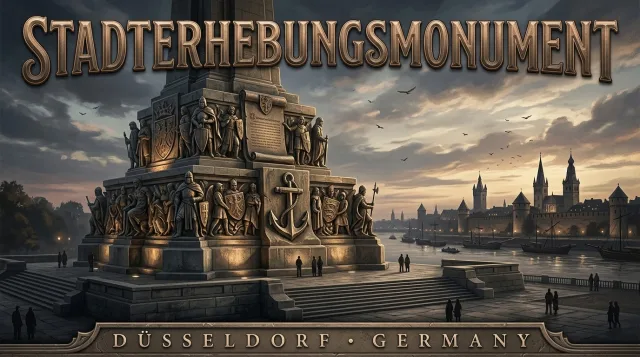
The history of Düsseldorf begins with a humble fishing village where the small Düssel stream flows into the Rhine, and that stream gave the city its name. The settlement first appears in written records in 1135. Its fortunes changed with the Battle of Worringen in 1288, when Count Adolf V of Berg fought on the winning side against the Archbishop of Cologne. As a reward for local support, he granted the village town rights on 14 August 1288, an event commemorated by a monument on the Burgplatz.
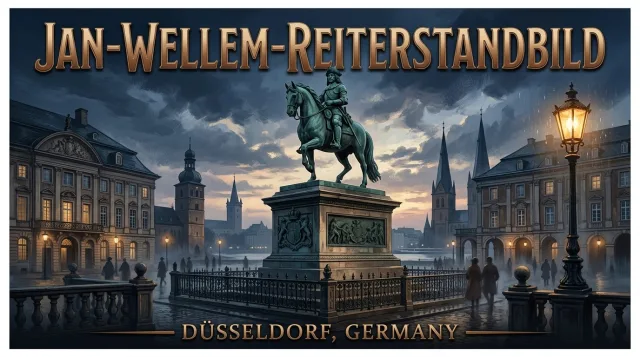
Over the following centuries Düsseldorf grew into the residence of the Dukes of Berg and later of the united duchies of Jülich, Cleves and Berg. Its golden age came under Elector Johann Wilhelm II, known affectionately as Jan Wellem, who ruled from 1679 to 1716. A passionate patron of painting, music and architecture, he assembled an outstanding art collection and established the city's reputation as a place for the arts. His bronze equestrian statue still stands in front of the town hall on the Marktplatz.
In 1806 Napoleon made Düsseldorf the capital of the Grand Duchy of Berg. When the old fortifications were removed, their land became the Hofgarten park and the elegant Königsallee along the former city moat. The poet Heinrich Heine was born in 1797 on Bolkerstraße, and his birthplace can still be found in the old town. During the 19th century the Düsseldorf School of Painting, centred on the Art Academy, influenced artists across Europe and even America, while industrialisation turned the city into the administrative and financial centre for the nearby Ruhr industrial region.
Allied bombing in the Second World War destroyed much of the city. In 1946 the British occupation authorities named Düsseldorf the capital of the newly created state of NRW. Postwar reconstruction, the economic boom, the arrival of Japanese companies from the 1950s onward and the later transformation of the old harbour into the MedienHafen shaped the open, international city that travellers enjoy today.
Highlights of Düsseldorf
The best known highlight is the Altstadt, nicknamed the longest bar in the world because roughly 260 pubs, bars and brewhouses are packed into less than one square kilometre. Trying a freshly tapped Altbier, the city's dark, top fermented beer, in a traditional house brewery is essential. Classic addresses include Uerige on Bergerstraße, Füchschen on Ratinger Straße, Brauerei Schumacher on Oststraße and Zum Schlüssel on Bolkerstraße. The waiters, called Köbes, keep bringing fresh glasses until you place your beer mat on top.
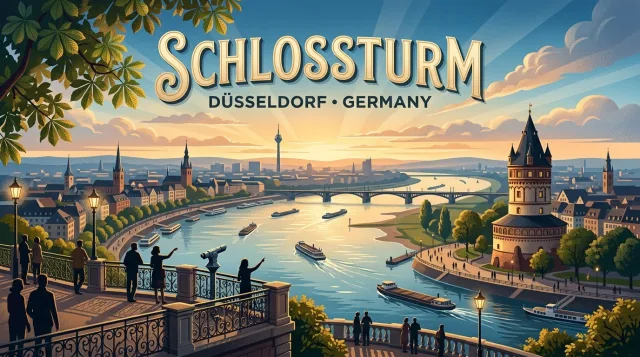
A short walk away lies the Burgplatz with the Schlossturm, the last remnant of the old city palace, which now houses a maritime museum. Right beside it rises the slightly twisted spire of the Basilica of St. Lambertus. From here the Rhine embankment promenade stretches south; it was built over a road tunnel, so traffic runs underground while pedestrians enjoy wide steps and riverside cafés. On summer evenings hundreds of people gather here to watch the sunset over the Rhine.
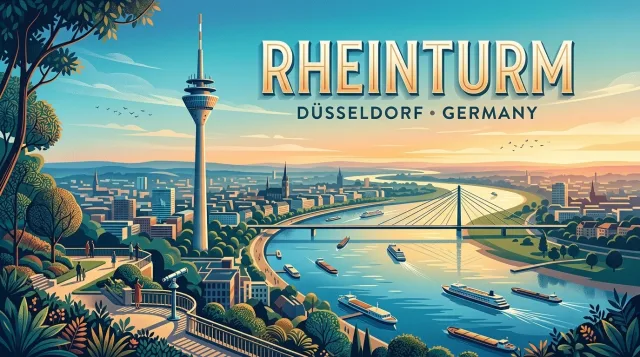
The Königsallee, simply called the Kö, is the city's famous shopping boulevard. Flagship stores of luxury fashion houses and jewellers line one side, banks and grand hotels the other, and between them runs a tree lined canal crowned by the Triton Fountain. Architecture fans should head to the MedienHafen, where three dramatically curved buildings by Frank Gehry stand at the Neuer Zollhof. Next to them soars the Rheinturm, a telecommunications tower about 240 metres tall, with an observation deck and a revolving restaurant; the lights on its shaft form what is often described as the largest digital clock in the world.
Art lovers will find a remarkable museum scene. The Kunstsammlung NRW shows modern classics from Picasso to Paul Klee at K20 on Grabbeplatz and international contemporary art at K21 inside the historic Ständehaus. The Museum Kunstpalast at the Ehrenhof covers centuries of art and design, and the Art Academy, where Joseph Beuys and Gerhard Richter taught, still shapes the creative life of the city. For something completely different, explore Little Tokyo around Immermannstraße with its ramen shops, Japanese bakeries and specialty grocers. Seasonal highlights include the street carnival with its Rose Monday parade, the Japan Day with spectacular fireworks over the Rhine, and the Rheinkirmes funfair every July on the meadows in Oberkassel.
Opening Hours, Tickets & How to Get to Düsseldorf
Getting to Düsseldorf is easy. Düsseldorf Hauptbahnhof is a major rail hub with direct ICE and IC services to Cologne, Frankfurt, Berlin, Hamburg, Munich and Amsterdam. From Cologne the journey takes only about 25 to 40 minutes. Düsseldorf Airport, the largest in the state, lies roughly eight kilometres north of the centre; the SkyTrain links the terminals with the airport railway station, from where the S11 and regional trains reach the main station in around ten to fifteen minutes. Drivers can use the A3, A44, A46, A52 and A57 motorways, and there are plenty of central car parks, although they are not cheap.
Once in town, the Rheinbahn network of light rail, trams and buses covers every district, and the Wehrhahn line crosses the centre underground. The Deutschlandticket is valid on all local transport, day tickets are available, and the DüsseldorfCard combines unlimited public transport with discounts on museums and tours. The old town, the Kö and the riverside are best explored on foot.
The city itself is free to explore, while individual attractions keep their own opening hours. K20 and K21 usually open Tuesday to Sunday during the day and close on Mondays; adult admission is typically in the low double digits in euros, and children and teenagers often enter free. The Rheinturm opens daily until late evening and charges for access to the observation deck. Brewhouses in the Altstadt generally open from late morning, and at weekends the district stays lively well past midnight.
The best time to visit Düsseldorf is May to September, when life moves outdoors to the riverbank and beer gardens. November and December bring atmospheric Christmas markets, while February belongs to carnival. To see the main sights, plan at least two full days; with museums and excursions, three to four days is ideal. One practical tip: hotel prices climb sharply during major trade fairs such as boot, drupa and MEDICA, so check the fair calendar before booking.
Attractions Near Düsseldorf
The surroundings of Düsseldorf reward curious travellers. In the south of the city stands Benrath Palace, a graceful pink pleasure palace from the 18th century with formal gardens and woodland stretching down to the Rhine. To the north, Kaiserswerth is one of the oldest districts, known for the ruins of Emperor Frederick Barbarossa's imperial palace and its charming lanes; a riverside stroll and coffee on the Stiftsplatz make a relaxed half day. The Nordpark hides a tranquil Japanese Garden and the Aquazoo, which combines live animals with natural history exhibits.
About 15 kilometres east lies the Neander Valley near Mettmann, where the famous Neanderthal bones were discovered in 1856; the Neanderthal Museum tells the story of human evolution in an engaging way. Fast trains bring you to Cologne and its cathedral for an easy day trip, or to Duisburg, where the Landschaftspark Nord turns a former steelworks into a park that glows with colourful lighting after dark. For a slower pace, cycle along the Rhine, wander through the Grafenberg Forest, or take a boat cruise that shows the city skyline and the river landscape from the water
Things to Do in Dusseldorf 2026/2027
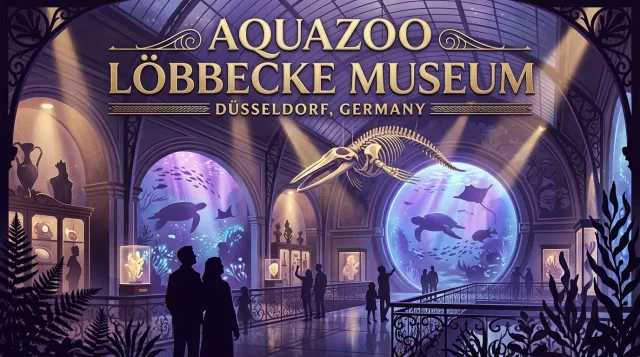
Aquazoo Löbbecke Museum
The Aquazoo Löbbecke Museum in Düsseldorf's Nordpark combines a zoo, aquarium and natural history museum under one roof, home to around 6,000 animals from more than 570 species.
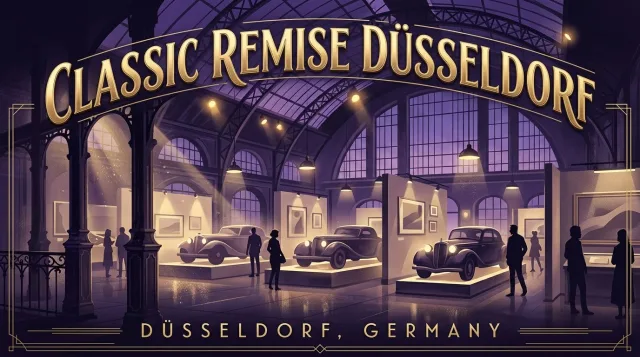
Classic Remise Düsseldorf
Set inside a restored 1930s roundhouse locomotive shed, Classic Remise Düsseldorf combines vintage car workshops, dealers and glass showcase displays under one roof - free admission.
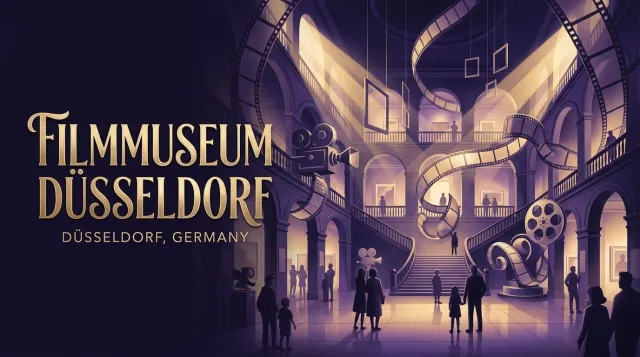
Filmmuseum Düsseldorf
Filmmuseum Düsseldorf, in the Palais Wittgenstein, presents the history of cinema across roughly 2,200 square metres, from early optical devices to digital special effects, complemented by the Black Box arthouse cinema.
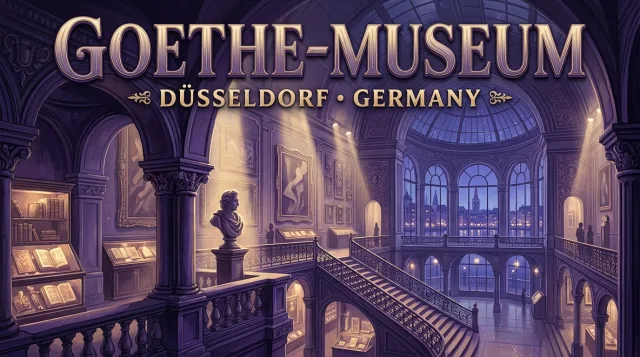
Goethe-Museum
Housed in Schloss Jägerhof, the Goethe-Museum holds around 50,000 objects related to Johann Wolfgang von Goethe, including manuscripts, letters, artworks and an extensive research library.
Heinrich-Heine-Institut
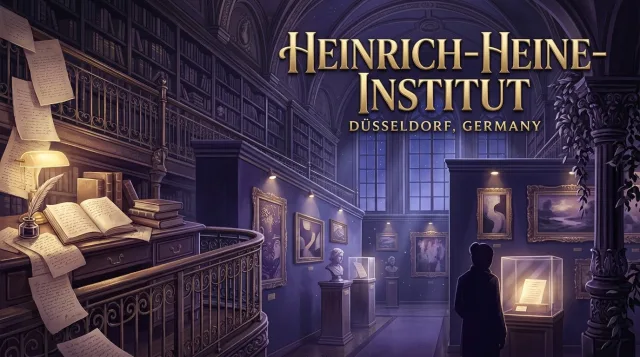
On Bilker Straße, the Heinrich-Heine-Institut explores the life and work of poet Heinrich Heine through its archive, research library and the permanent exhibition "Romantik und Revolution".
Hetjens-Museum / Deutsches Keramikmuseum
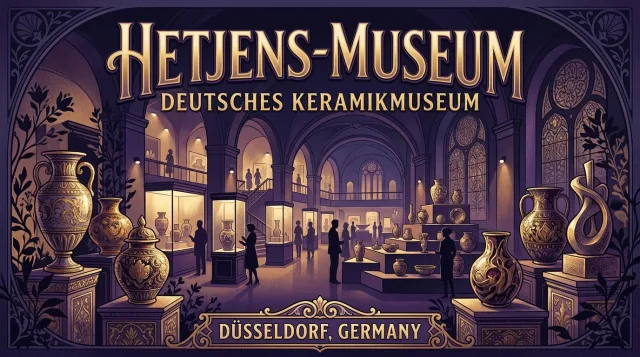
Housed in the Palais Nesselrode in the Carlstadt district, the Hetjens-Museum presents roughly 8,000 years of ceramic history from around the world, from East Asian porcelain to contemporary pottery.
Kunstsammlung Nordrhein-Westfalen K20
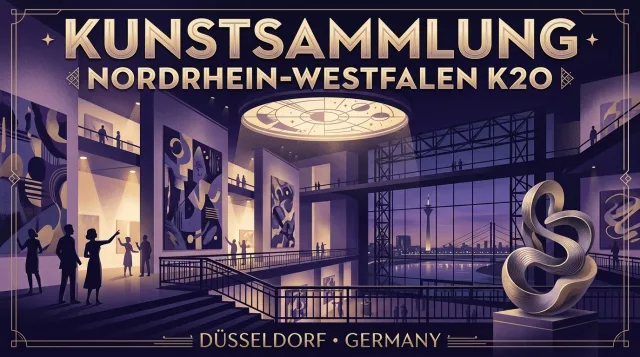
Kunstsammlung Nordrhein-Westfalen K20 on Grabbeplatz houses one of the world's largest Paul Klee collections alongside major works by Picasso, Matisse and Warhol in a striking black granite building.
Kunstsammlung Nordrhein-Westfalen K21
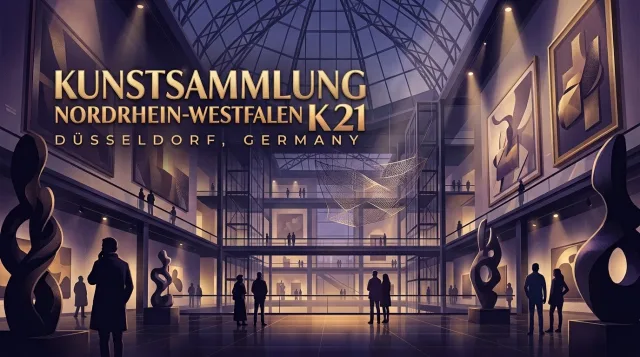
Kunstsammlung Nordrhein-Westfalen K21, in the historic Ständehaus, presents international contemporary art beneath a spectacular glass dome featuring Tomás Saraceno's walkable installation "in orbit".
Museum Kunstpalast
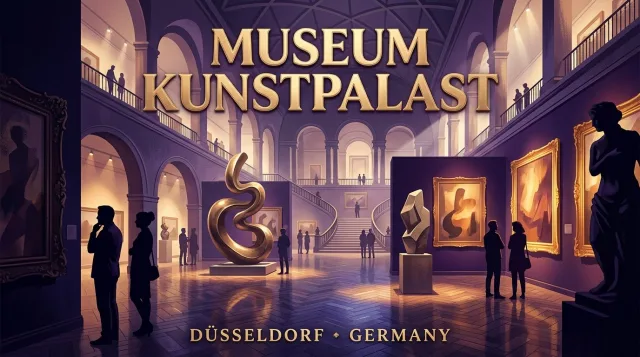
Museum Kunstpalast at the Ehrenhof brings together old masters such as Rubens, the world-famous Hentrich glass collection and modern art under one roof on the banks of the Rhine.
Schifffahrtmuseum im Schlossturm
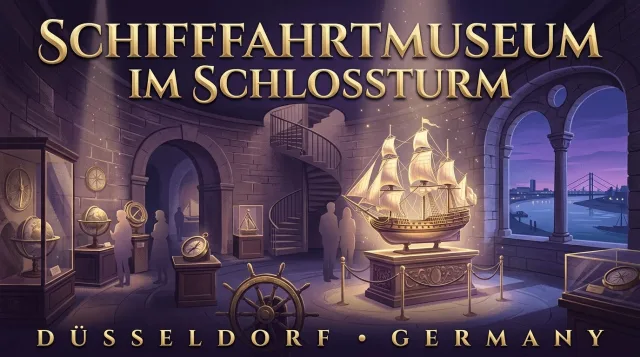
Housed in the historic Schlossturm on the Rhine embankment, this maritime museum traces the history of Rhine navigation through ship models and original navigation instruments.
Kaiser-Wilhelm-Ring
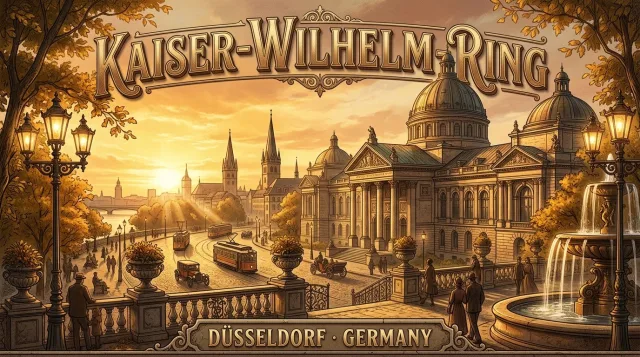
One of Oberkassel's finest streets: the Kaiser-Wilhelm-Ring impresses with its densely preserved Gründerzeit and Jugendstil facades from around 1900.
Landtag Nordrhein-Westfalen
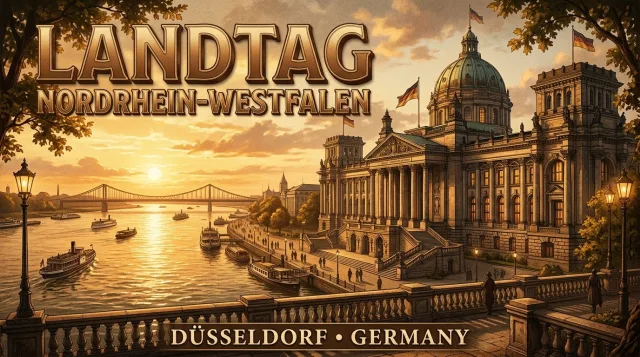
Completed in 1988, the Landtag Nordrhein-Westfalen impresses with its circular architecture right on the Rhine, at the edge of the modern Medienhafen district.
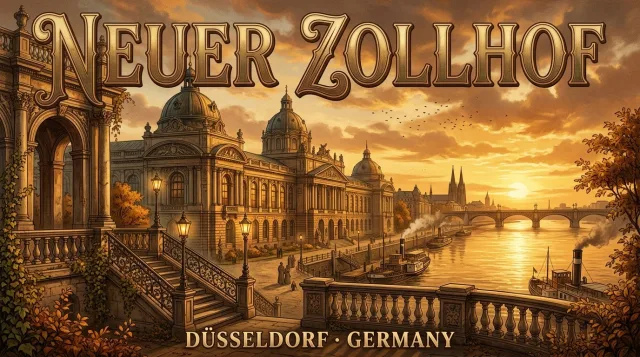
Neuer Zollhof
Frank Gehry's three sculptural office buildings in the Medienhafen are among Düsseldorf's most photographed landmarks.
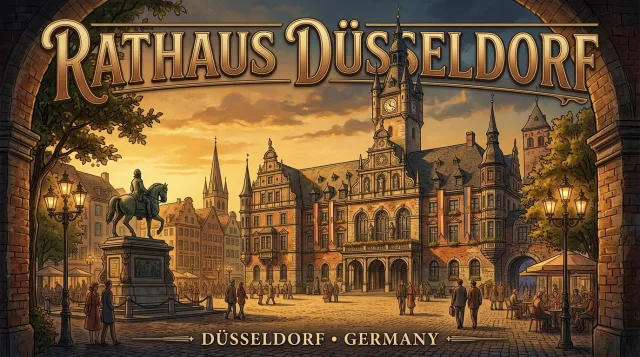
Rathaus Düsseldorf
Düsseldorf's historic Rathaus on Marktplatz combines Renaissance, Baroque, and postwar architecture and remains the seat of the city administration today.
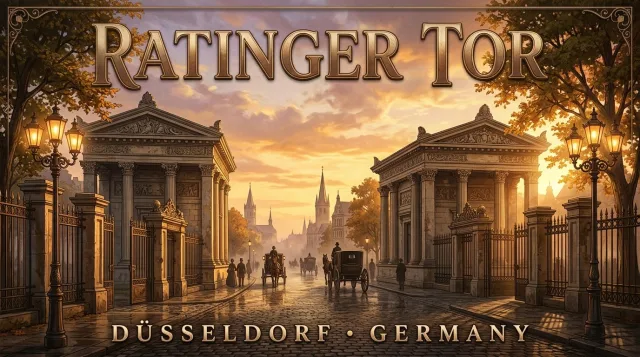
Ratinger Tor
Düsseldorf's last surviving city gate: the neoclassical Ratinger Tor, built 1811-1815, marks the transition from the Altstadt to the Hofgarten park.
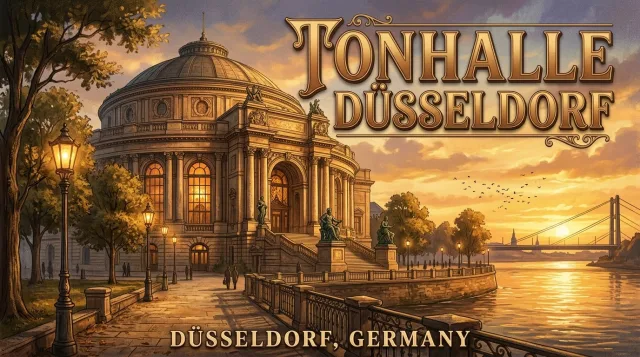
Tonhalle Düsseldorf
Originally built as a planetarium in 1925/26, this circular building is now home to the Düsseldorfer Symphoniker and one of Europe's most unusual concert halls.
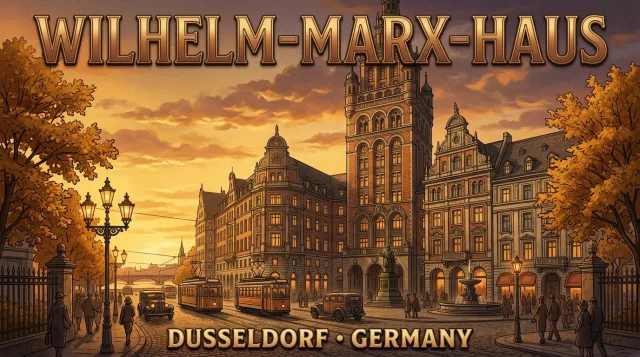
Wilhelm-Marx-Haus
One of Europe's first skyscrapers: built in 1922-1924, the Wilhelm-Marx-Haus impresses with its brick-expressionist facade in the heart of Düsseldorf's Altstadt.
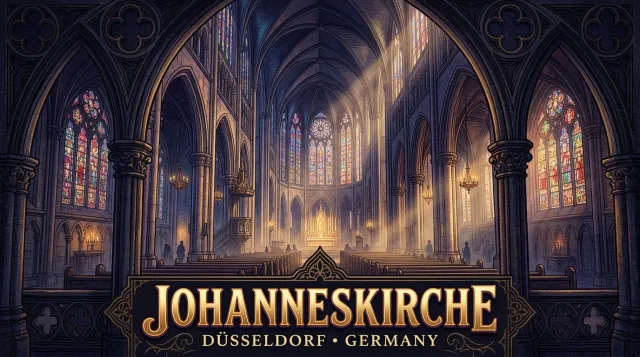
Johanneskirche
Düsseldorf's largest Protestant church on Martin-Luther-Platz blends Romanesque Revival architecture with modern Citykirche life and a café.
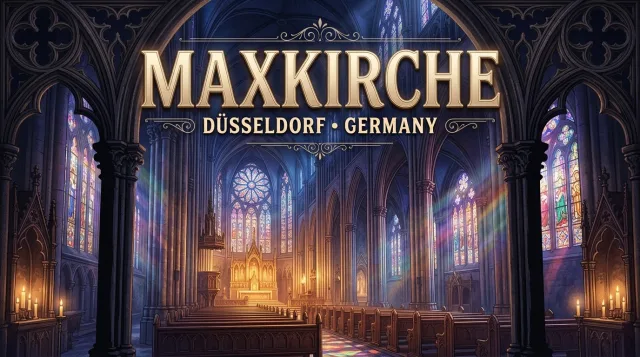
Maxkirche
The late Baroque Maxkirche in Carlstadt is famous for its outstanding acoustics and houses a faithfully reconstructed 18th-century organ.
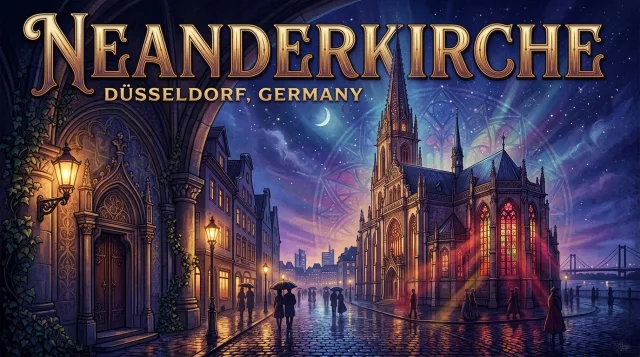
Neanderkirche
The Neanderkirche is a 17th-century Baroque courtyard church hidden in the heart of Düsseldorf's Altstadt, named after the hymn writer Joachim Neander.
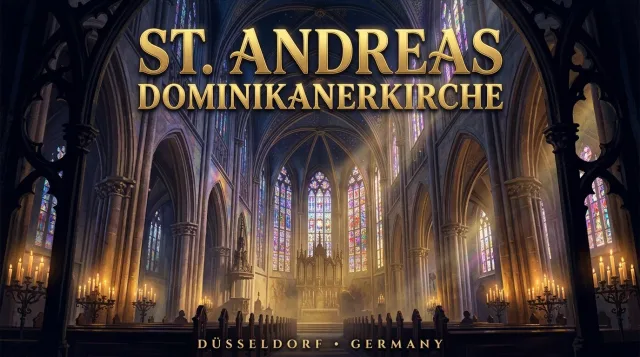
St. Andreas Dominikanerkirche
Behind a plain brick facade hides a magnificent Baroque church with rich stucco work, a princely mausoleum, and an active Dominican monastery.
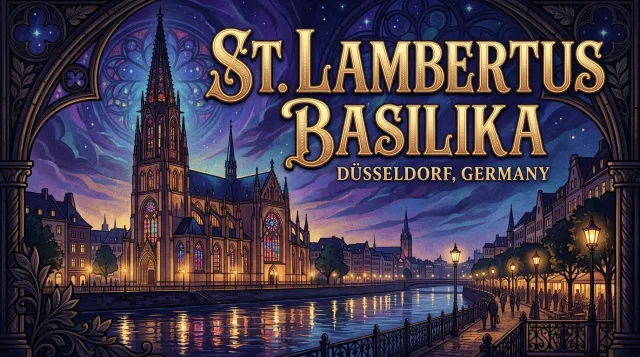
St. Lambertus Basilika
This Gothic basilica with its distinctive crooked tower is one of Düsseldorf's oldest churches and still defines the skyline of the Altstadt today.
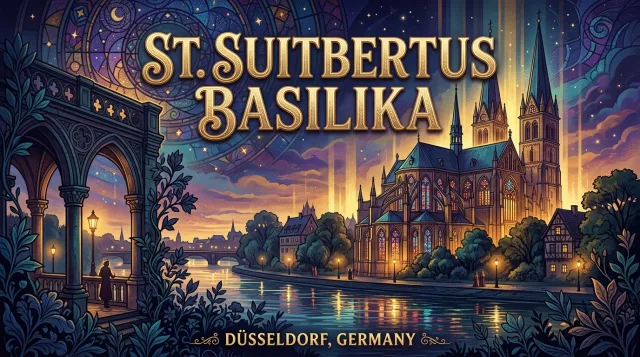
St. Suitbertus Basilika
This Romanesque-Gothic basilica in picturesque Kaiserswerth holds the relics of its patron saint and ranks among the oldest churches on the Lower Rhine.
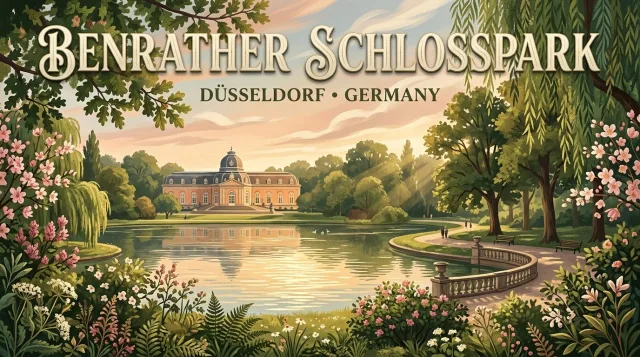
Benrather Schlosspark
Benrather Schlosspark is a 61-hectare garden and park landscape surrounding Schloss Benrath, combining a formal French garden in the east with an expansive English landscape park in the west.
Botanischer Garten der Heinrich-Heine-Universität
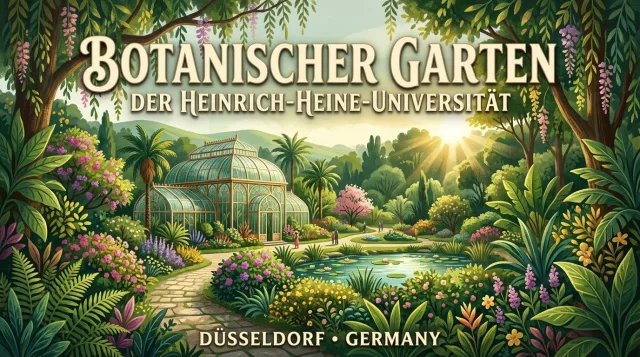
Botanischer Garten der Heinrich-Heine-Universität is an 8-hectare open-air botanical garden in southern Düsseldorf, home to more than 6,000 plant species and a landmark dome-shaped greenhouse.
Hofgarten
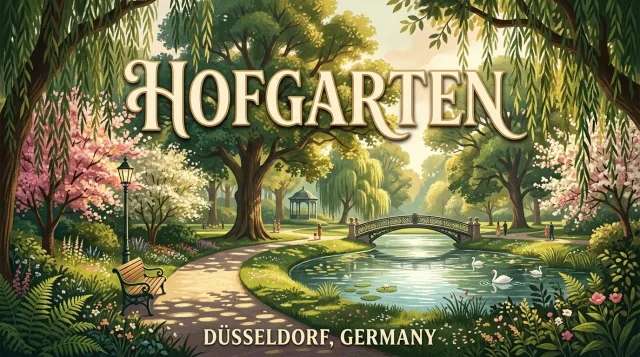
Germany's oldest Volksgarten, Hofgarten has shaped the heart of Düsseldorf since 1769 with historic avenues, ponds, and the world's largest gas-lit park lighting system.
Lantz'scher Park
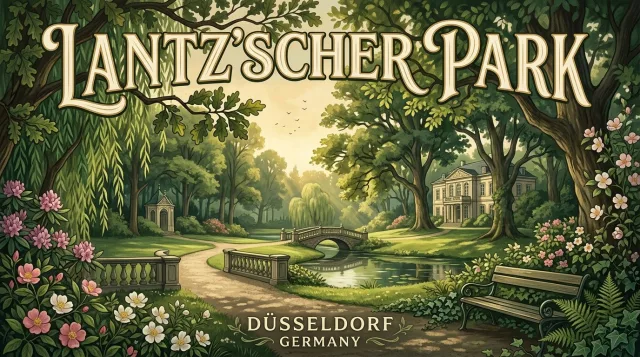
Lantz'scher Park is a 14.5-hectare, heritage-protected landscape park in the Lohausen district, home to a neoclassical manor house, a historic burial chapel, and rotating international sculpture exhibitions.
Nordpark
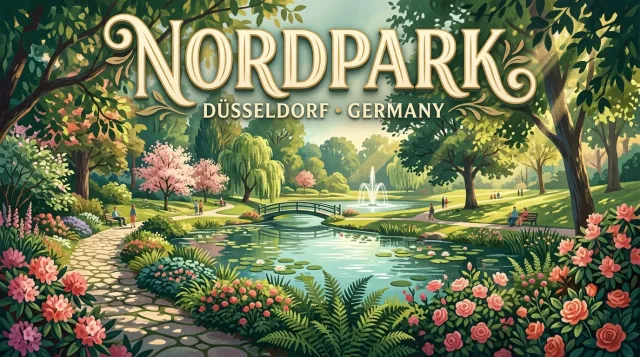
Spanning 36.6 hectares in the Stockum district, Nordpark is one of Düsseldorf's grandest green spaces, home to the beloved Japanese Garden and the city's largest fountain displays.
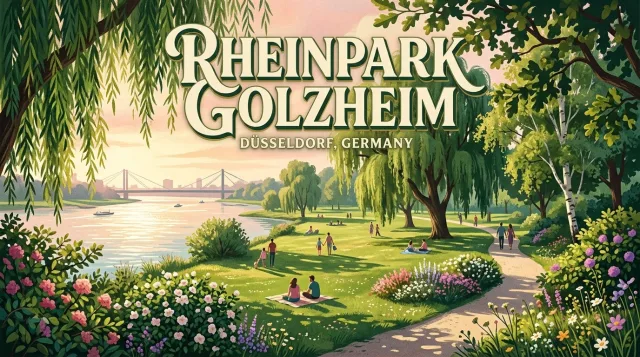
Rheinpark Golzheim
Rheinpark Golzheim is a roughly 24-hectare riverside park on the Rhine's right bank between Pempelfort and Golzheim, famous for its wide-open lawns, historic promenade, and spectacular sunsets over the river.
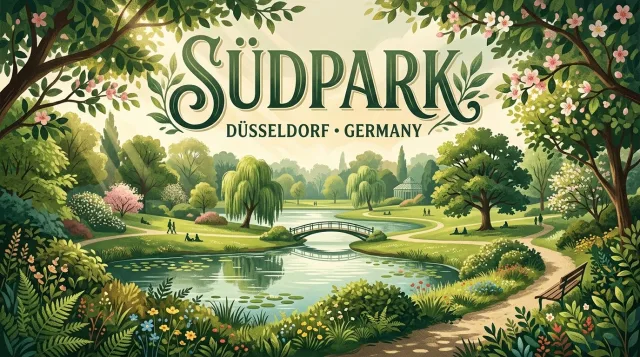
Südpark
At 70 hectares, Südpark is Düsseldorf's largest and most-visited park, created for the 1987 Federal Garden Show by expanding the historic Volksgarten.
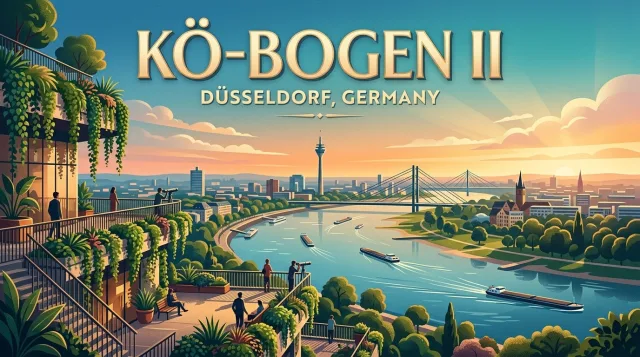
Kö-Bogen II
Kö-Bogen II in central Düsseldorf is covered by one of Europe largest green facades, and its gently sloping, walkable grass roof offers an unusual vantage point over the Hofgarten and the Königsallee.
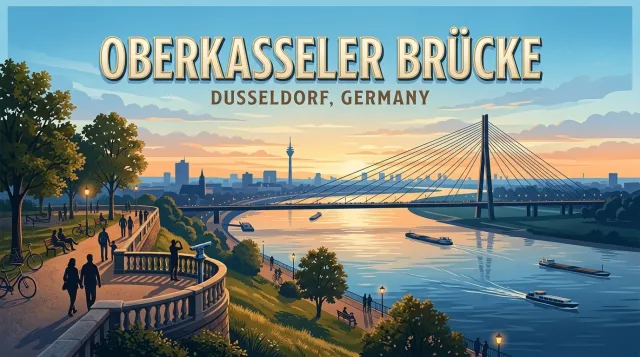
Oberkasseler Brücke
The Oberkasseler Brücke links Oberkassel with the Altstadt, and its 614-metre deck offers what is arguably the most famous postcard view of Düsseldorf Rhine promenade and the Altstadt skyline.
Rheinturm
At 240.5 metres, the Rheinturm is Düsseldorf tallest structure, and its observation deck at 168 metres offers what is arguably the most spectacular 360-degree view over the city, the Rhine and the Medienhafen.
Schlossturm
The Schlossturm on the Rhine bank is the last surviving remnant of Düsseldorf Castle, and its uppermost floor offers a rare elevated view over the Burgplatz, the rooftops of the Altstadt and the Rhine.
Tonhalle Terrace
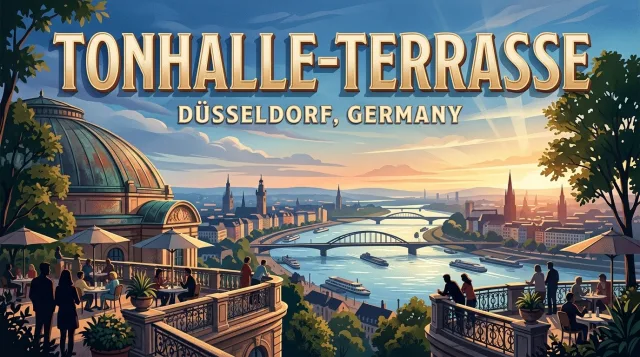
The Tonhalle Terrace on the Joseph-Beuys-Ufer in Pempelfort is one of the loveliest spots to take in the Rhine and the Theodor-Heuss-Brücke, especially as the bridge lights begin to shimmer on the water in the evening.
Bismarck-Denkmal
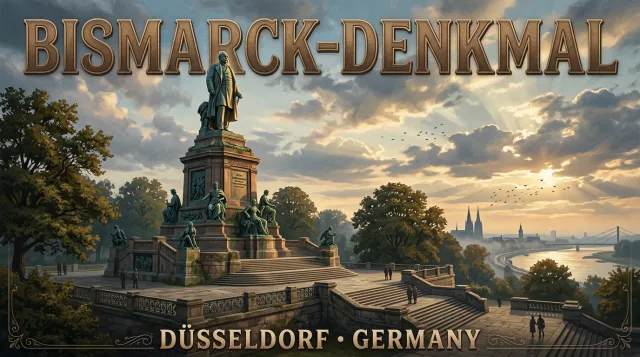
The Bismarck-Denkmal on Martin-Luther-Platz has commemorated the first German Chancellor Otto von Bismarck with a monumental bronze figure since 1899.
Heinrich-Heine-Denkmal
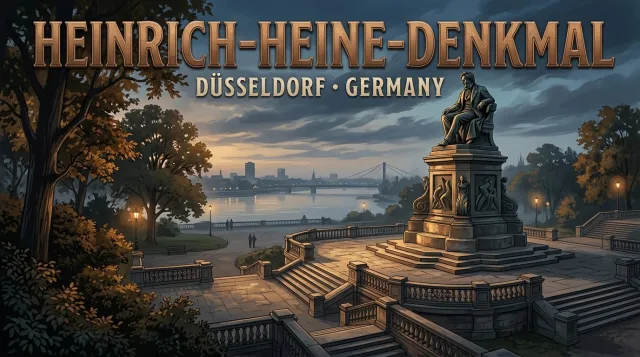
The Heinrich-Heine-Denkmal on Schwanenmarkt depicts the inner conflict of the great poet, born in Düsseldorf, through a fragmented bronze composition.
Jan-Wellem-Reiterstandbild
The Jan-Wellem-Reiterstandbild on the Marktplatz depicts Elector Johann Wilhelm of the Palatinate on horseback and ranks among Düsseldorf's most iconic Baroque monuments.
Radschlägerbrunnen
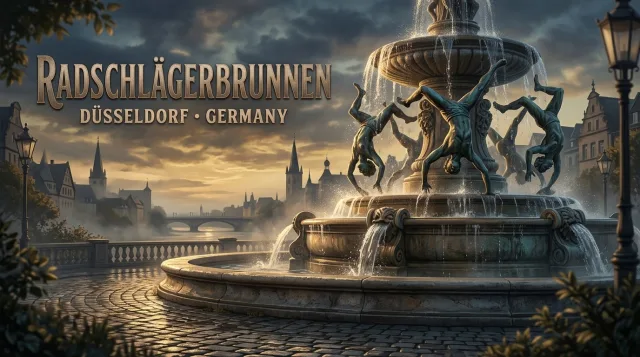
The Radschlägerbrunnen on Burgplatz features two bronze cartwheeling boys, honoring one of Düsseldorf's best-known traditions and civic symbols.
Stadterhebungsmonument
The Stadterhebungsmonument on Burgplatz tells the story of Düsseldorf receiving its town charter in 1288 through a dense bronze collage by sculptor Bert Gerresheim.
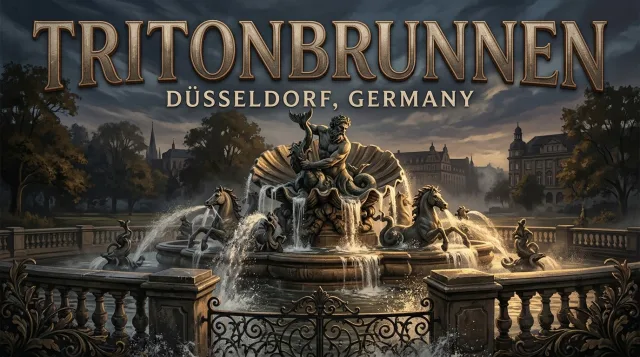
Tritonbrunnen
The Tritonbrunnen at the northern end of Königsallee depicts the Greek sea god Triton wrestling a fish, flanked by two playful water-children.
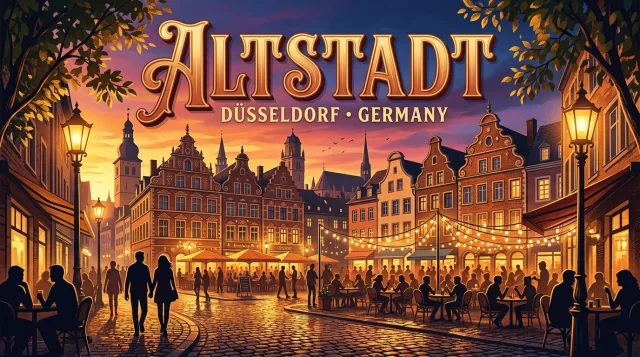
Altstadt
Altstadt is Düsseldorf's historic core on the Rhine, famous as the "longest bar in the world" with over 300 pubs, breweries and St. Lambertus Basilica.
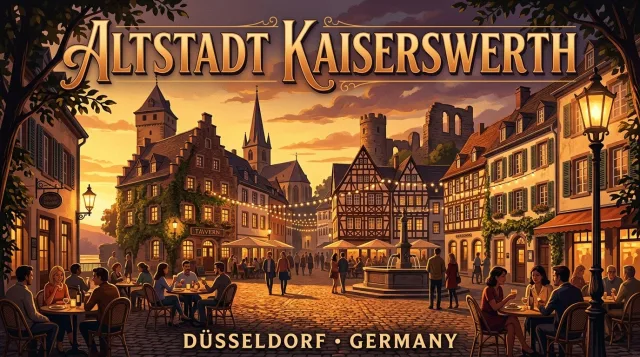
Altstadt Kaiserswerth
Altstadt Kaiserswerth is the historic old town in northern Düsseldorf, with narrow cobblestone lanes, a Rhine promenade and more than 1,300 years of history.
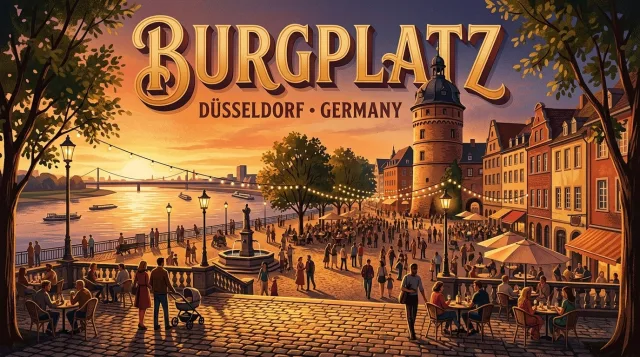
Burgplatz
Burgplatz opens onto the Rhine at the edge of the Altstadt and is dominated by the Schlossturm, the last remnant of Düsseldorf's former city castle.
Carlsplatz
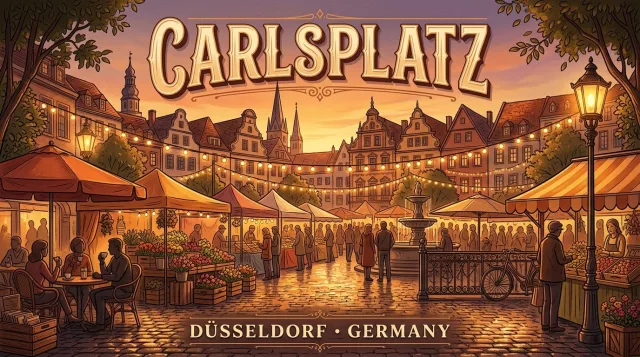
Carlsplatz is a neoclassical square at the heart of Carlstadt and has been one of Düsseldorf's liveliest public spaces for centuries.
Marktplatz
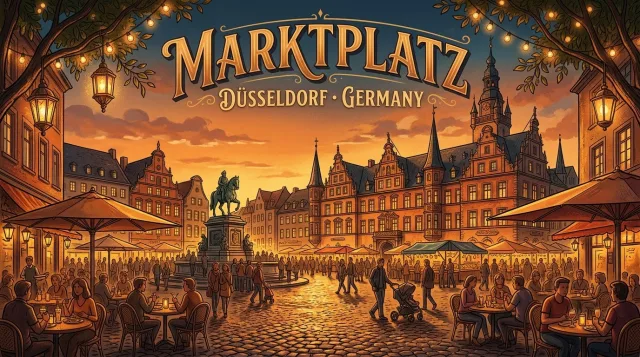
Marktplatz is the historic center of the Altstadt, home to the town hall and the Baroque equestrian statue of Prince-Elector Jan Wellem.
Schadowplatz
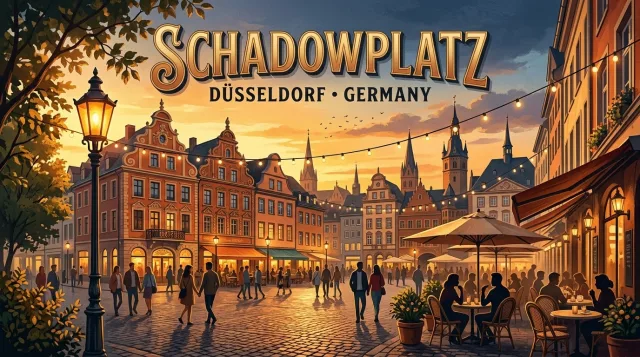
Schadowplatz is a lively transit and shopping hub in central Düsseldorf, where several of the city's most important pedestrian streets converge.
Kaiserpfalz Kaiserswerth
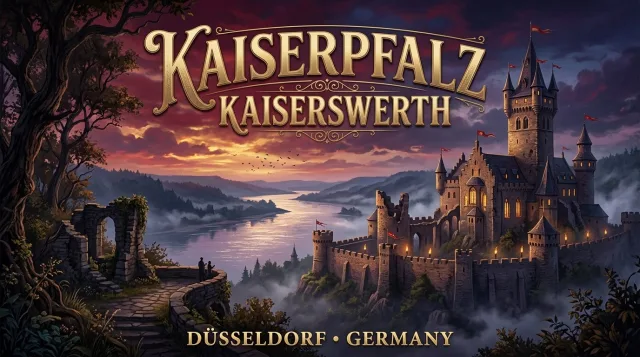
The imposing ruins of the Kaiserpfalz Kaiserswerth on the Rhine riverbank recall what was once Emperor Frederick Barbarossa's most powerful Rhine fortress and rank among Düsseldorf's oldest surviving structures.
Schloss Benrath
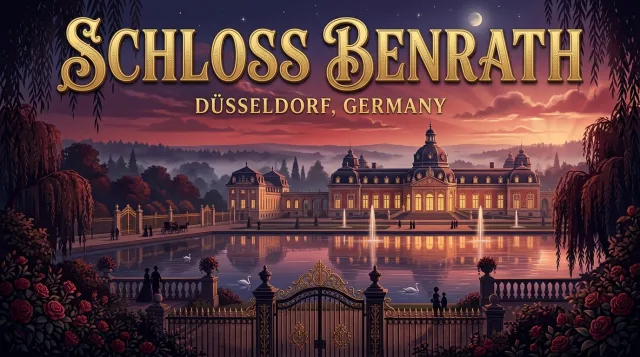
This soft-pink pleasure palace in Düsseldorf's Benrath district, with its reflecting pond and harmonious three-wing layout, ranks among the finest Rococo buildings on the Rhine.
Schloss Jägerhof
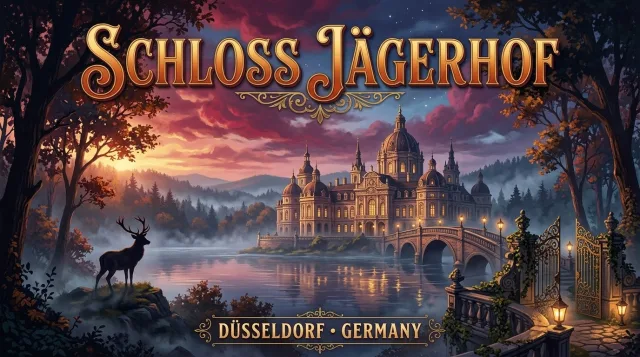
This elegant Rococo hunting lodge on the edge of Düsseldorf's Hofgarten park in Pempelfort was built in the 18th century as the seat of the electoral master of the hunt, then rebuilt after wartime destruction.
Schloss Kalkum
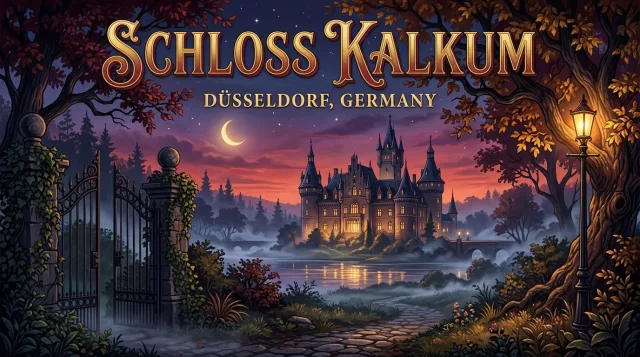
This Neoclassical moated castle in Düsseldorf's Kalkum district features four wings, two striking corner towers and a water moat that fully encircles the building within an expansive landscape park.
Schloss Mickeln
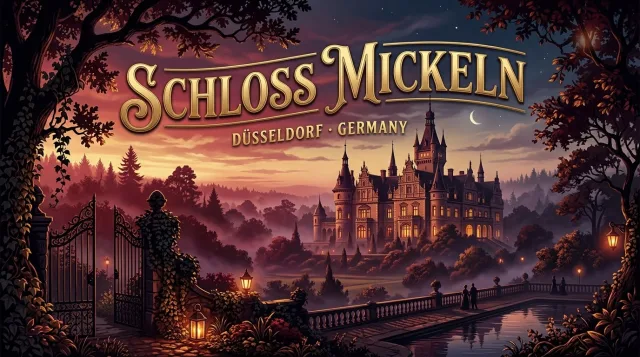
Schloss Mickeln is a neoclassical manor house in Himmelgeist that has served as Heinrich Heine University's conference center and guesthouse since 2000.
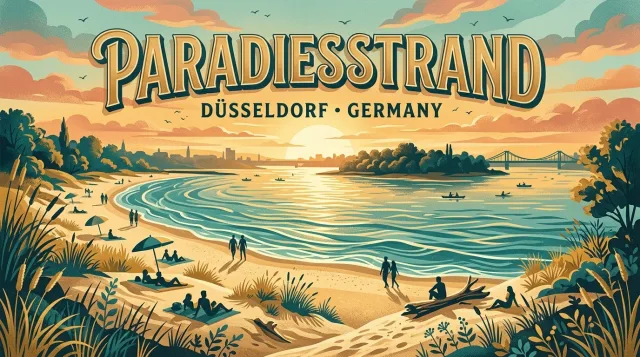
Paradiesstrand
A natural sand-and-gravel beach right on the Rhine, just steps from the Medienhafen district and a favourite spot for sunbathers and riverside strolls.
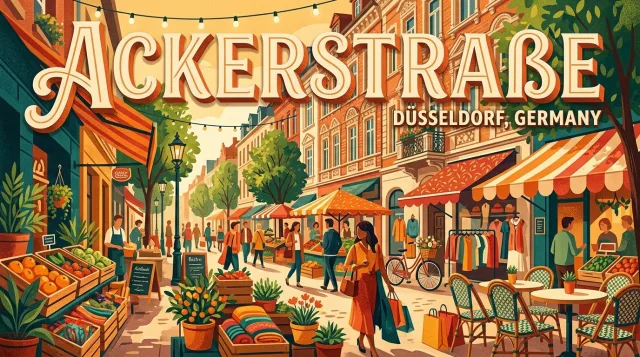
Ackerstraße
The creative shopping street of Flingern-Nord, lined with independent boutiques, vintage and record shops, concept stores and a lively café culture.
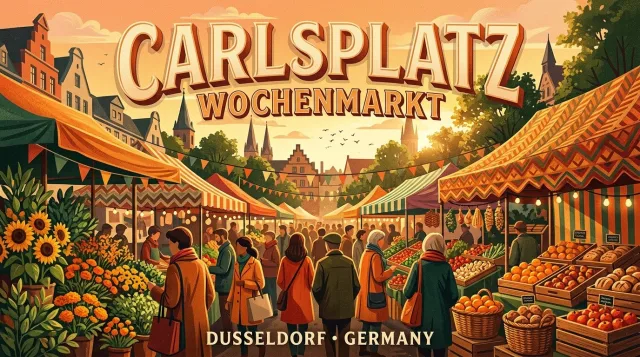
Carlsplatz Wochenmarkt
The Carlsplatz Wochenmarkt in the Carlstadt district is Düsseldorf's most traditional market, offering fresh produce, regional cheese, fish and flowers alongside crispy Reibekuchen straight from the stall.
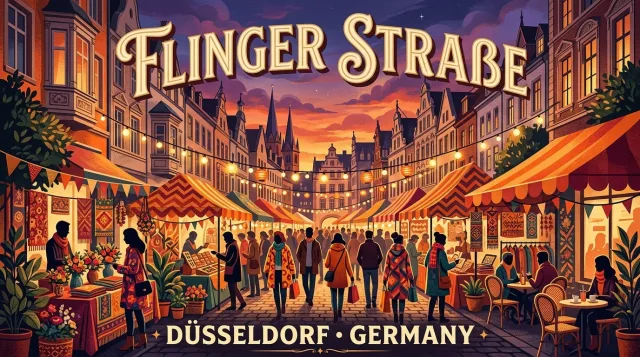
Flinger Straße
One of the busiest pedestrian shopping streets in Düsseldorf's Old Town, lined with fashion stores, the Uerige brewpub and centuries of history.
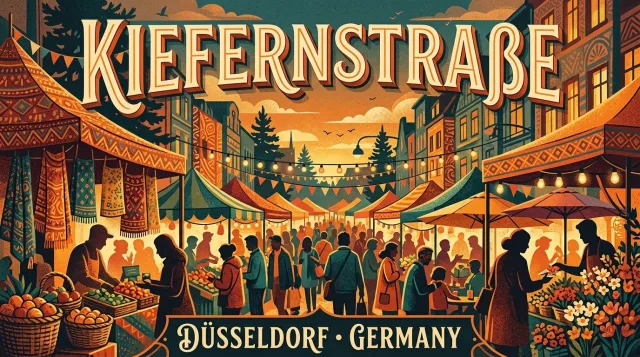
Kiefernstraße
A 380-metre residential street in Flingern-Süd where more than 200 metres of house facades are covered in striking street art and graffiti.
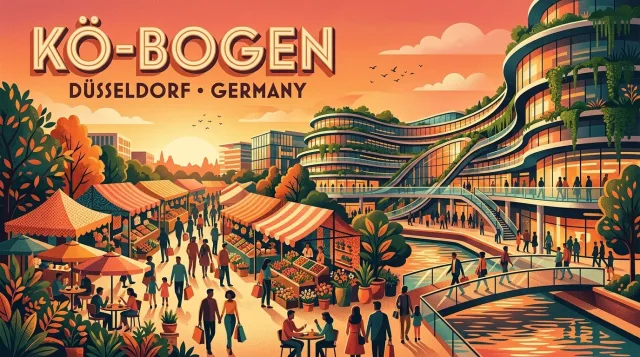
Kö-Bogen
The Kö-Bogen is a modern shopping and office complex designed by Daniel Libeskind on Königsallee, combining retail, architecture and green spaces in the heart of Düsseldorf since 2013.
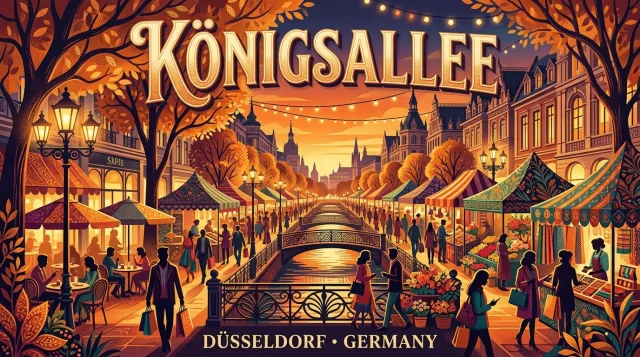
Königsallee
The Königsallee, affectionately called "Kö", is Düsseldorf's world-famous boulevard with a tree-lined canal running down its center and some of Europe's most exclusive fashion houses lining both banks.
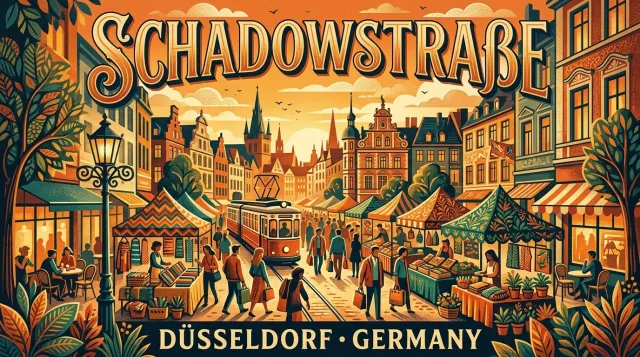
Schadowstraße
Schadowstraße is Düsseldorf's busiest shopping street, a 670-meter pedestrian zone between Königsallee and Schadowplatz lined with major department stores, the Schadow-Arkaden mall and countless brands for every budget.
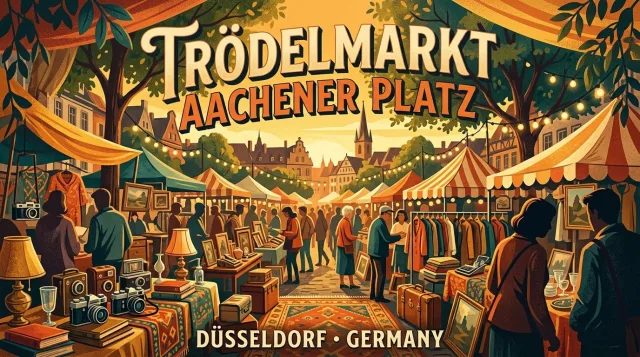
Trödelmarkt Aachener Platz
The Trödelmarkt Aachener Platz in Düsseldorf-Bilk is considered Germany's oldest weekly flea market, drawing crowds every Saturday since 1976 with antiques, second-hand finds and all kinds of curiosities.
🏛️ Museum in Dusseldorf 2026/2027
Aquazoo Löbbecke Museum
The Aquazoo Löbbecke Museum in Düsseldorf's Nordpark combines a zoo, aquarium and natural history museum under one roof, home to around 6,000 animals from more than 570 species.
Classic Remise Düsseldorf
Set inside a restored 1930s roundhouse locomotive shed, Classic Remise Düsseldorf combines vintage car workshops, dealers and glass showcase displays under one roof - free admission.
Filmmuseum Düsseldorf
Filmmuseum Düsseldorf, in the Palais Wittgenstein, presents the history of cinema across roughly 2,200 square metres, from early optical devices to digital special effects, complemented by the Black Box arthouse cinema.
Goethe-Museum
Housed in Schloss Jägerhof, the Goethe-Museum holds around 50,000 objects related to Johann Wolfgang von Goethe, including manuscripts, letters, artworks and an extensive research library.
Heinrich-Heine-Institut
On Bilker Straße, the Heinrich-Heine-Institut explores the life and work of poet Heinrich Heine through its archive, research library and the permanent exhibition "Romantik und Revolution".
Hetjens-Museum / Deutsches Keramikmuseum
Housed in the Palais Nesselrode in the Carlstadt district, the Hetjens-Museum presents roughly 8,000 years of ceramic history from around the world, from East Asian porcelain to contemporary pottery.
Kunstsammlung Nordrhein-Westfalen K20
Kunstsammlung Nordrhein-Westfalen K20 on Grabbeplatz houses one of the world's largest Paul Klee collections alongside major works by Picasso, Matisse and Warhol in a striking black granite building.
Kunstsammlung Nordrhein-Westfalen K21
Kunstsammlung Nordrhein-Westfalen K21, in the historic Ständehaus, presents international contemporary art beneath a spectacular glass dome featuring Tomás Saraceno's walkable installation "in orbit".
Museum Kunstpalast
Museum Kunstpalast at the Ehrenhof brings together old masters such as Rubens, the world-famous Hentrich glass collection and modern art under one roof on the banks of the Rhine.
Schifffahrtmuseum im Schlossturm
Housed in the historic Schlossturm on the Rhine embankment, this maritime museum traces the history of Rhine navigation through ship models and original navigation instruments.
🏛️ Historic Building in Dusseldorf 2026/2027
Kaiser-Wilhelm-Ring
One of Oberkassel's finest streets: the Kaiser-Wilhelm-Ring impresses with its densely preserved Gründerzeit and Jugendstil facades from around 1900.
Landtag Nordrhein-Westfalen
Completed in 1988, the Landtag Nordrhein-Westfalen impresses with its circular architecture right on the Rhine, at the edge of the modern Medienhafen district.
Neuer Zollhof
Frank Gehry's three sculptural office buildings in the Medienhafen are among Düsseldorf's most photographed landmarks.
Rathaus Düsseldorf
Düsseldorf's historic Rathaus on Marktplatz combines Renaissance, Baroque, and postwar architecture and remains the seat of the city administration today.
Ratinger Tor
Düsseldorf's last surviving city gate: the neoclassical Ratinger Tor, built 1811-1815, marks the transition from the Altstadt to the Hofgarten park.
Tonhalle Düsseldorf
Originally built as a planetarium in 1925/26, this circular building is now home to the Düsseldorfer Symphoniker and one of Europe's most unusual concert halls.
Wilhelm-Marx-Haus
One of Europe's first skyscrapers: built in 1922-1924, the Wilhelm-Marx-Haus impresses with its brick-expressionist facade in the heart of Düsseldorf's Altstadt.
⛪ Church & Cathedral in Dusseldorf 2026/2027
Johanneskirche
Düsseldorf's largest Protestant church on Martin-Luther-Platz blends Romanesque Revival architecture with modern Citykirche life and a café.
Maxkirche
The late Baroque Maxkirche in Carlstadt is famous for its outstanding acoustics and houses a faithfully reconstructed 18th-century organ.
Neanderkirche
The Neanderkirche is a 17th-century Baroque courtyard church hidden in the heart of Düsseldorf's Altstadt, named after the hymn writer Joachim Neander.
St. Andreas Dominikanerkirche
Behind a plain brick facade hides a magnificent Baroque church with rich stucco work, a princely mausoleum, and an active Dominican monastery.
St. Lambertus Basilika
This Gothic basilica with its distinctive crooked tower is one of Düsseldorf's oldest churches and still defines the skyline of the Altstadt today.
St. Suitbertus Basilika
This Romanesque-Gothic basilica in picturesque Kaiserswerth holds the relics of its patron saint and ranks among the oldest churches on the Lower Rhine.
🌳 Park & Garden in Dusseldorf 2026/2027
Benrather Schlosspark
Benrather Schlosspark is a 61-hectare garden and park landscape surrounding Schloss Benrath, combining a formal French garden in the east with an expansive English landscape park in the west.
Botanischer Garten der Heinrich-Heine-Universität
Botanischer Garten der Heinrich-Heine-Universität is an 8-hectare open-air botanical garden in southern Düsseldorf, home to more than 6,000 plant species and a landmark dome-shaped greenhouse.
Hofgarten
Germany's oldest Volksgarten, Hofgarten has shaped the heart of Düsseldorf since 1769 with historic avenues, ponds, and the world's largest gas-lit park lighting system.
Lantz'scher Park
Lantz'scher Park is a 14.5-hectare, heritage-protected landscape park in the Lohausen district, home to a neoclassical manor house, a historic burial chapel, and rotating international sculpture exhibitions.
Nordpark
Spanning 36.6 hectares in the Stockum district, Nordpark is one of Düsseldorf's grandest green spaces, home to the beloved Japanese Garden and the city's largest fountain displays.
Rheinpark Golzheim
Rheinpark Golzheim is a roughly 24-hectare riverside park on the Rhine's right bank between Pempelfort and Golzheim, famous for its wide-open lawns, historic promenade, and spectacular sunsets over the river.
Südpark
At 70 hectares, Südpark is Düsseldorf's largest and most-visited park, created for the 1987 Federal Garden Show by expanding the historic Volksgarten.
🔭 Viewpoint in Dusseldorf 2026/2027
Kö-Bogen II
Kö-Bogen II in central Düsseldorf is covered by one of Europe largest green facades, and its gently sloping, walkable grass roof offers an unusual vantage point over the Hofgarten and the Königsallee.
Oberkasseler Brücke
The Oberkasseler Brücke links Oberkassel with the Altstadt, and its 614-metre deck offers what is arguably the most famous postcard view of Düsseldorf Rhine promenade and the Altstadt skyline.
Rheinturm
At 240.5 metres, the Rheinturm is Düsseldorf tallest structure, and its observation deck at 168 metres offers what is arguably the most spectacular 360-degree view over the city, the Rhine and the Medienhafen.
Schlossturm
The Schlossturm on the Rhine bank is the last surviving remnant of Düsseldorf Castle, and its uppermost floor offers a rare elevated view over the Burgplatz, the rooftops of the Altstadt and the Rhine.
Tonhalle Terrace
The Tonhalle Terrace on the Joseph-Beuys-Ufer in Pempelfort is one of the loveliest spots to take in the Rhine and the Theodor-Heuss-Brücke, especially as the bridge lights begin to shimmer on the water in the evening.
🗿 Monument & Statue in Dusseldorf 2026/2027
Bismarck-Denkmal
The Bismarck-Denkmal on Martin-Luther-Platz has commemorated the first German Chancellor Otto von Bismarck with a monumental bronze figure since 1899.
Heinrich-Heine-Denkmal
The Heinrich-Heine-Denkmal on Schwanenmarkt depicts the inner conflict of the great poet, born in Düsseldorf, through a fragmented bronze composition.
Jan-Wellem-Reiterstandbild
The Jan-Wellem-Reiterstandbild on the Marktplatz depicts Elector Johann Wilhelm of the Palatinate on horseback and ranks among Düsseldorf's most iconic Baroque monuments.
Radschlägerbrunnen
The Radschlägerbrunnen on Burgplatz features two bronze cartwheeling boys, honoring one of Düsseldorf's best-known traditions and civic symbols.
Stadterhebungsmonument
The Stadterhebungsmonument on Burgplatz tells the story of Düsseldorf receiving its town charter in 1288 through a dense bronze collage by sculptor Bert Gerresheim.
Tritonbrunnen
The Tritonbrunnen at the northern end of Königsallee depicts the Greek sea god Triton wrestling a fish, flanked by two playful water-children.
🏘️ Square & Old Town in Dusseldorf 2026/2027
Altstadt
Altstadt is Düsseldorf's historic core on the Rhine, famous as the "longest bar in the world" with over 300 pubs, breweries and St. Lambertus Basilica.
Altstadt Kaiserswerth
Altstadt Kaiserswerth is the historic old town in northern Düsseldorf, with narrow cobblestone lanes, a Rhine promenade and more than 1,300 years of history.
Burgplatz
Burgplatz opens onto the Rhine at the edge of the Altstadt and is dominated by the Schlossturm, the last remnant of Düsseldorf's former city castle.
Carlsplatz
Carlsplatz is a neoclassical square at the heart of Carlstadt and has been one of Düsseldorf's liveliest public spaces for centuries.
Marktplatz
Marktplatz is the historic center of the Altstadt, home to the town hall and the Baroque equestrian statue of Prince-Elector Jan Wellem.
Schadowplatz
Schadowplatz is a lively transit and shopping hub in central Düsseldorf, where several of the city's most important pedestrian streets converge.
🏰 Castle & Palace in Dusseldorf 2026/2027
Kaiserpfalz Kaiserswerth
The imposing ruins of the Kaiserpfalz Kaiserswerth on the Rhine riverbank recall what was once Emperor Frederick Barbarossa's most powerful Rhine fortress and rank among Düsseldorf's oldest surviving structures.
Schloss Benrath
This soft-pink pleasure palace in Düsseldorf's Benrath district, with its reflecting pond and harmonious three-wing layout, ranks among the finest Rococo buildings on the Rhine.
Schloss Jägerhof
This elegant Rococo hunting lodge on the edge of Düsseldorf's Hofgarten park in Pempelfort was built in the 18th century as the seat of the electoral master of the hunt, then rebuilt after wartime destruction.
Schloss Kalkum
This Neoclassical moated castle in Düsseldorf's Kalkum district features four wings, two striking corner towers and a water moat that fully encircles the building within an expansive landscape park.
Schloss Mickeln
Schloss Mickeln is a neoclassical manor house in Himmelgeist that has served as Heinrich Heine University's conference center and guesthouse since 2000.
🏖️ Beach & Coast in Dusseldorf 2026/2027
🛍️ Market & Shopping in Dusseldorf 2026/2027
Ackerstraße
The creative shopping street of Flingern-Nord, lined with independent boutiques, vintage and record shops, concept stores and a lively café culture.
Carlsplatz Wochenmarkt
The Carlsplatz Wochenmarkt in the Carlstadt district is Düsseldorf's most traditional market, offering fresh produce, regional cheese, fish and flowers alongside crispy Reibekuchen straight from the stall.
Flinger Straße
One of the busiest pedestrian shopping streets in Düsseldorf's Old Town, lined with fashion stores, the Uerige brewpub and centuries of history.
Kiefernstraße
A 380-metre residential street in Flingern-Süd where more than 200 metres of house facades are covered in striking street art and graffiti.
Kö-Bogen
The Kö-Bogen is a modern shopping and office complex designed by Daniel Libeskind on Königsallee, combining retail, architecture and green spaces in the heart of Düsseldorf since 2013.
Königsallee
The Königsallee, affectionately called "Kö", is Düsseldorf's world-famous boulevard with a tree-lined canal running down its center and some of Europe's most exclusive fashion houses lining both banks.
Schadowstraße
Schadowstraße is Düsseldorf's busiest shopping street, a 670-meter pedestrian zone between Königsallee and Schadowplatz lined with major department stores, the Schadow-Arkaden mall and countless brands for every budget.
Trödelmarkt Aachener Platz
The Trödelmarkt Aachener Platz in Düsseldorf-Bilk is considered Germany's oldest weekly flea market, drawing crowds every Saturday since 1976 with antiques, second-hand finds and all kinds of curiosities.
Where to stay in Dusseldorf, Germany
Compare current hotel prices and find the right place to stay.