ℹ️ About Bonn
Bonn is one of Germany's most historically significant and culturally rewarding cities. Located in North Rhine-Westphalia on the banks of the River Rhine, south of Cologne, it combines more than 2,000 years of history with a lively cultural scene, important museums and attractive riverside landscapes. Although Bonn is no longer Germany's capital, it remains closely associated with the country's political development after the Second World War. It is also internationally recognised as the birthplace of Ludwig van Beethoven, one of the most influential composers in classical music. These connections make Bonn an appealing destination for visitors interested in German history, architecture, music, museums and urban culture. The city's most famous attractions include the Beethoven House, Bonn Minster, the Old Town Hall, the House of the History of the Federal Republic of Germany and the museums along the Museum Mile. Visitors can also explore the former government district, enjoy the extensive Rheinaue Park or take a walk along the Rhine promenade. Bonn is particularly attractive because many central sights are within walking distance of one another, making it suitable for a one-day city break as well as a longer cultural holiday. Spring is especially popular when cherry blossoms transform several streets in the Old Town into spectacular pink avenues. During the rest of the year, visitors can enjoy concerts, exhibitions, historic architecture, green spaces and easy access to other destinations throughout the Rhine region. Whether you are planning a weekend in Bonn, looking for the best things to do or deciding how long to stay, the city offers a varied programme of activities for different interests and travel styles.
History of Bonn
The history of Bonn stretches back more than 2,000 years and is closely connected to the development of the Rhineland. The city's strategic position on the western bank of the Rhine made it an important location during Roman times. Around 12 BC, a Roman military camp was established in the area. It became an important military base for securing the northern frontier of the Roman Empire. The Roman settlement developed in connection with the wider network of military and commercial routes along the Rhine. Archaeological discoveries from this period demonstrate the importance of the area long before Bonn developed into a medieval and modern city.
After the decline of Roman authority in the region, Bonn gradually developed into an important medieval settlement. Religious institutions played a major role in shaping its urban identity. Bonn Minster, one of the city's most recognisable historic buildings, reflects this long religious tradition. During the Middle Ages, Bonn also became increasingly connected with the political influence of the Archbishops and Electors of Cologne. The city eventually developed into an important residence and administrative centre for the Electorate of Cologne. Between the sixteenth and eighteenth centuries, representative buildings, churches and palaces helped shape the historic urban landscape that visitors can still explore today.
The eighteenth century was particularly significant for Bonn's cultural history. The city became associated with the musical world of the Electoral Court, where members of the Beethoven family worked as musicians. Ludwig van Beethoven was born in Bonn on 17 December 1770. His birthplace, located in Bonngasse, is now one of the city's most famous museums. Beethoven spent his childhood and early musical years in Bonn before moving to Vienna in 1792. He later became one of the most influential composers in European musical history. His connection to Bonn remains central to the city's identity, and the Beethoven House preserves an extensive collection of manuscripts, letters, portraits, instruments and personal objects connected with his life and work.
Another important milestone came in 1818, when the University of Bonn was founded as the Rheinische Friedrich-Wilhelms-Universität. The university attracted scholars and students from across Germany and beyond, strengthening Bonn's reputation as an educational and intellectual centre. The institution became an important part of the city's development and continues to influence its academic and cultural atmosphere. The university's historic main building, located in the former Electoral Palace, is one of Bonn's most impressive architectural landmarks.
During the nineteenth century, Bonn became part of the Kingdom of Prussia following the political changes of the Napoleonic era and the Congress of Vienna in 1815. Its university, cultural institutions and location on the Rhine contributed to its growing importance. The city continued to develop while retaining much of its historic character. However, the most important transformation in modern Bonn's history took place after the Second World War.
In 1949, Bonn was selected as the provisional capital of the newly established Federal Republic of Germany. The decision transformed the city into the political centre of West Germany. The Bundestag, Bundesrat, federal government and numerous ministries established their headquarters in Bonn. For several decades, the city became internationally recognised as the seat of the West German government. The former government district still contains important reminders of this period, including the Palais Schaumburg, the former Chancellor's Bungalow and buildings associated with the federal parliament. These locations offer an insight into the political institutions and architecture of post-war Germany.
Following German reunification in 1990, Berlin became the capital of the reunited country. The relocation of the federal parliament and government institutions to Berlin took place gradually during the following years. However, Bonn retained an important federal role, with several ministries continuing to maintain their headquarters in the city. Bonn also developed a new international identity through the presence of United Nations organisations and international institutions. Today, it is recognised as a major UN location in Germany. This combination of Roman heritage, medieval religious architecture, Electoral history, Beethoven's musical legacy, academic traditions and modern political importance makes Bonn one of the most distinctive cultural destinations in western Germany.
Highlights of Bonn
One of the most important attractions in Bonn is the Beethoven House, located at Bonngasse 20. This historic building is where Ludwig van Beethoven was born in December 1770. It now houses a museum dedicated to the composer's life and work and contains one of the world's most important Beethoven collections. Visitors can discover original manuscripts, letters, portraits, historical musical instruments and objects associated with his everyday life. Among the particularly interesting exhibits are Beethoven's last grand piano, built by Conrad Graf, and valuable original musical documents. The exhibition combines traditional museum displays with multimedia presentations that help visitors understand Beethoven's life in Bonn and his later career. Allow approximately one to one and a half hours for a comfortable visit.
Bonn Minster is another major landmark in the historic centre. This impressive church is situated close to Münsterplatz and is one of the most recognisable examples of historic religious architecture in the city. Its origins date back to the early Christian and medieval periods, and its architectural development reflects several centuries of construction and restoration. The church's distinctive towers dominate the surrounding streets, while the interior offers a peaceful environment for visitors interested in religious history, architecture and art. Münsterplatz itself is an important meeting point in the city and a convenient starting location for exploring the surrounding pedestrian streets and historic buildings.
One of Bonn's most photographed buildings is the Old Town Hall, located directly on the historic Market Square. Its elegant Rococo facade and impressive golden staircase make it particularly recognisable. Built in the eighteenth century, the building has played an important role in the city's civic and ceremonial life. The exterior is especially attractive for photography, while the surrounding Market Square provides a lively atmosphere with cafés, shops and historic architecture. It is an ideal stop during a walking tour of central Bonn, particularly when combined with Bonn Minster and the Beethoven House.
For anyone interested in modern German history, the House of the History of the Federal Republic of Germany is an essential attraction. Located on Bonn's Museum Mile, this museum explores Germany's development since 1945. Its exhibitions cover the reconstruction period after the Second World War, the division of Germany, the Cold War, everyday life in East and West Germany, reunification and more recent social developments. Visitors encounter original objects, historical photographs, documents, multimedia displays and personal stories. The museum makes complex political events accessible through tangible examples from everyday life. One of its major advantages is that admission to the museum and its exhibitions is free of charge.
The Bundeskunsthalle, officially known as the Art and Exhibition Hall of the Federal Republic of Germany, is another important cultural destination. It hosts changing exhibitions covering art, archaeology, history, science and international culture. The building itself is distinctive, with an architectural design that includes a striking roof structure and landscaped rooftop areas. Because its exhibitions change regularly, visitors should check the current programme before planning their visit. Nearby, the Kunstmuseum Bonn is particularly interesting for its collection of German art from the post-war period, including important works of modern and contemporary art.
Visitors who want to enjoy some outdoor space should head to Rheinaue Park. This extensive recreational area was developed in connection with the 1979 Federal Garden Show and has since become one of the most popular green spaces in Bonn. The park features walking paths, open lawns, water features, landscaped areas and places to relax. It is especially attractive during spring and summer, when residents and visitors use the area for walking, cycling, jogging and picnics. Rheinaue is also a good place to take a break after visiting the museums or exploring the historic centre.
The former government district is another important part of Bonn's historical landscape. Buildings such as Palais Schaumburg and the former Chancellor's Bungalow illustrate the city's role as the political centre of West Germany. Their architectural and historical significance makes the area particularly interesting for visitors who want to understand the country's post-war political development. The nearby World Conference Center Bonn and the United Nations Campus demonstrate the city's continuing international importance. Together, these places provide a valuable insight into Bonn's transformation from a provisional national capital into a modern centre for international diplomacy and conferences.
Opening Hours, Tickets & How to Get to Bonn
Travelling to Bonn is relatively straightforward thanks to its excellent regional and national transport connections. Bonn Central Station, known as Bonn Hauptbahnhof, is located close to the historic city centre and offers regular railway services to major destinations in western Germany. From Cologne, the journey usually takes approximately 20 to 40 minutes depending on the service. Bonn can also be reached by train from Düsseldorf, Koblenz and other cities along the Rhine. International visitors frequently use Cologne Bonn Airport, which is connected to the city by public transport and regional railway services. Journey times depend on the connection and departure time, so checking the current timetable before travelling is recommended.
Once in Bonn, many of the main attractions can be explored on foot. The Beethoven House, Bonn Minster, Münsterplatz and the Old Town Hall are all located within a relatively compact central area. Walking between these landmarks is one of the easiest ways to discover the city's historic streets and architecture. For destinations further away, including the Museum Mile, the former government district and Rheinaue Park, visitors can use Bonn's tram, light rail and bus network. Stadtwerke Bonn operates the local public transport system. Visitors arriving by car can use public car parks in the city centre and around the Museum Mile, although travelling without a car is generally more convenient for exploring central Bonn.
Opening hours and admission prices depend on the attraction. The Beethoven House is normally open from Wednesday to Monday, between 10 am and 6 pm. It is closed to regular individual visitors on Tuesdays, although pre-booked groups may be admitted. Under the standard exhibition pricing, adult admission costs €15 and children's admission costs €10. During the special exhibition Beethoven by Warhol, running from 9 September 2026 to 5 April 2027, the prices increase to €17 for adults and €12 for children. Visitors should check the official museum website before travelling because temporary exhibitions, special events and seasonal arrangements can affect admission conditions.
The House of History is an excellent choice for travellers looking for a major museum with free admission. Entry to the permanent collection and exhibitions is free of charge. The museum is open from Tuesday to Friday between 9 am and 6 pm, and on Saturdays and Sundays from 10 am to 6 pm. It is normally closed on Mondays. Allow approximately two to three hours to explore the exhibitions properly, especially if you want to read the historical explanations and examine the original objects. The museum is conveniently located on the Museum Mile and can be reached by light rail lines 16, 63 and 66. The nearest stop is Heussallee/Museumsmeile.
The best time to visit Bonn depends on the kind of experience you are looking for. Spring is particularly popular because of the famous cherry blossom season in the Old Town. Streets such as Heerstraße and Breite Straße are known for their rows of cherry trees, which create a spectacular pink canopy when the blossoms appear. The flowering period normally takes place during spring, although the exact dates vary according to temperatures and weather conditions. Travellers hoping to photograph the cherry blossoms should monitor local seasonal updates rather than relying on a fixed date.
May, June and September are also excellent months for exploring Bonn on foot. Temperatures are generally suitable for visiting historic attractions, walking along the Rhine and spending time in the city's parks. Summer is particularly enjoyable around Rheinaue Park and the riverside areas, where outdoor activities and cafés create a lively atmosphere. Autumn is a good season for museum visits, architecture and cultural activities, while the Christmas market makes the city attractive during the winter holiday period.
For a first visit, approximately six to eight hours are enough to explore the main historic attractions in central Bonn. A full day allows time for the Beethoven House, Bonn Minster, the Old Town Hall, a walk through the pedestrian area and a visit to one major museum. Travellers interested in several museums and the former government district should plan at least two days. A weekend is ideal if you also want to explore Rheinaue Park, enjoy the Rhine promenade and discover Bonn's cafés and restaurants without rushing. Booking museum tickets online where available can make planning easier, particularly during busy spring weekends and major cultural events.
Attractions Near Bonn
The area surrounding Bonn offers a wide range of day trips, making the city an excellent base for exploring the wider Rhineland. One of the most attractive nearby destinations is the Siebengebirge, a scenic hill range southeast of Bonn. The region is known for its wooded slopes, walking trails, viewpoints and attractive landscapes along the Rhine. Its most famous peak is the Drachenfels, which offers impressive views over the river and the surrounding countryside. Visitors can reach the summit on foot or use the historic Drachenfels Railway, which operates from Königswinter. The railway provides a convenient alternative for visitors who prefer not to walk uphill. On clear days, the panoramic views are among the most memorable experiences in the Bonn region.
The nearby town of Königswinter is particularly suitable for a relaxed excursion. Located on the eastern bank of the Rhine, it has a pleasant riverside promenade, cafés and restaurants. The town is also the starting point for visiting Drachenfels and Schloss Drachenburg, an impressive historic castle situated on the hillside. Built in the nineteenth century, Schloss Drachenburg is known for its elaborate architectural details, decorated interiors and attractive grounds. A visit to the castle can easily be combined with a journey on the Drachenfels Railway and a walk through the surrounding landscape. Together, these attractions make Königswinter one of the most rewarding excursions from Bonn.
Bad Godesberg, located in the southern part of Bonn, is another interesting area to explore. It has a distinctive character, with historic villas, green spaces and the famous Godesburg castle ruins. The castle stands on a hill and provides attractive views over the surrounding urban landscape and the Rhine Valley. Bad Godesberg developed into an important residential and diplomatic district, particularly during the period when Bonn served as the capital of West Germany. Visitors interested in architecture and local history can enjoy exploring its streets, parks and historic buildings.
Another worthwhile destination is Brühl, located between Bonn and Cologne. The town is famous for the UNESCO World Heritage sites of Augustusburg Palace and Falkenlust Palace. Augustusburg Palace is one of Germany's finest examples of Rococo architecture. Its richly decorated rooms, magnificent staircase and landscaped gardens make it an important cultural attraction. Falkenlust Palace, located within the same historic complex, offers a different perspective on eighteenth-century court life and architecture. Brühl can be visited as a separate day trip or included in a longer itinerary through the Rhineland.
Travellers with additional time should also consider visiting Cologne. The city is easily accessible from Bonn by regional train and offers a completely different urban atmosphere. Its most famous landmark is Cologne Cathedral, a UNESCO World Heritage Site and one of Europe's most impressive Gothic churches. Other attractions include the historic Old Town, the Rhine promenade, the Hohenzollern Bridge and several major museums. Combining Bonn and Cologne is particularly convenient for visitors spending a few days in western Germany. Bonn provides a more relaxed historical and cultural atmosphere, while Cologne offers a larger metropolitan experience and a wider range of shopping, entertainment and nightlife.
The Ahr Valley is another attractive destination for visitors interested in nature, hiking and regional wine culture. Located southwest of Bonn, the region is known for its vineyards, picturesque villages and walking routes through the valley landscape. The Ahr wine region has a particularly strong reputation for red wine production. Visitors can explore the villages, enjoy regional restaurants and discover the surrounding countryside. However, travellers should check current transport services and the accessibility of individual walking routes before departure, as parts of the region's infrastructure have been affected by the severe floods of 2021 and subsequent reconstruction work.
With its location between the Rhine, the Siebengebirge and the wider Rhineland, Bonn offers excellent opportunities for combining urban sightseeing with outdoor activities and cultural excursions. Whether you are interested in medieval architecture, historic palaces, hiking trails, regional food or major German cities, the surrounding area provides enough variety for several additional days of travel. This makes Bonn not only a rewarding destination in its own right but also a convenient starting point for discovering some of the most interesting places in western Germany.
Things to Do in Bonn 2026/2027
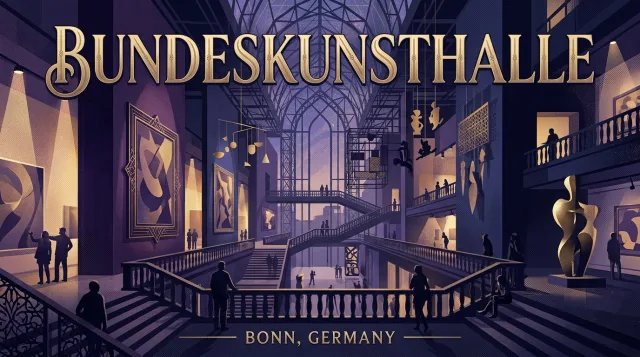
Bundeskunsthalle
Visit Bundeskunsthalle in Bonn and discover exhibitions, architecture, opening hours, ticket prices, public transport and nearby attractions.
Haus der Geschichte
Haus der Geschichte in Bonn explores German history since 1945 through more than 3,800 historical objects, interactive exhibitions and personal stories. Admission is free, making it an excellent cultural attraction on Bonn's Museumsmeile.
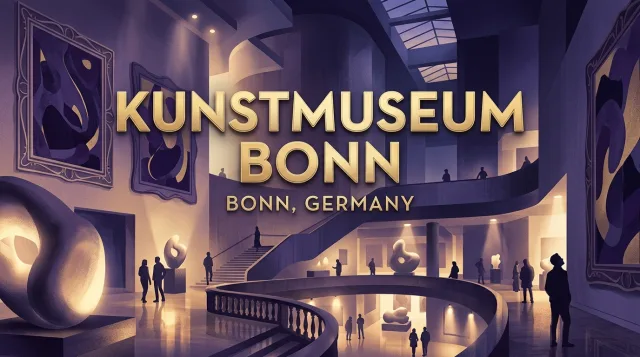
Kunstmuseum Bonn
Kunstmuseum Bonn features around 9,000 artworks, including important works by August Macke, Rhenish Expressionists and leading German artists after 1945. Discover modern art, temporary exhibitions and remarkable architecture on Bonn's Museumsmeile.
Museum Koenig
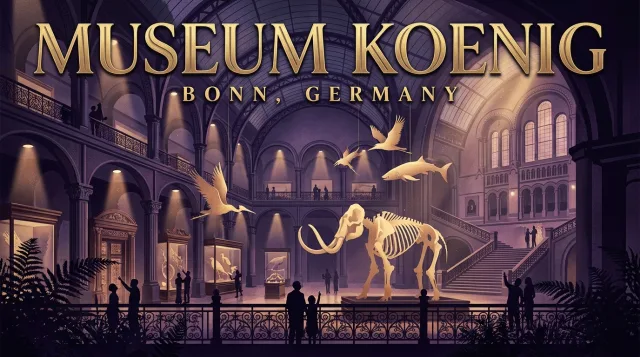
Museum Koenig in Bonn explores the planet's biodiversity through realistic habitats, historic dioramas and interactive exhibitions. Discover African savannahs, tropical rainforests, polar wildlife and aquatic ecosystems, with admission starting at €6.00.
🏛️ Museum in Bonn 2026/2027
Bundeskunsthalle
Visit Bundeskunsthalle in Bonn and discover exhibitions, architecture, opening hours, ticket prices, public transport and nearby attractions.
Haus der Geschichte
Haus der Geschichte in Bonn explores German history since 1945 through more than 3,800 historical objects, interactive exhibitions and personal stories. Admission is free, making it an excellent cultural attraction on Bonn's Museumsmeile.
Kunstmuseum Bonn
Kunstmuseum Bonn features around 9,000 artworks, including important works by August Macke, Rhenish Expressionists and leading German artists after 1945. Discover modern art, temporary exhibitions and remarkable architecture on Bonn's Museumsmeile.
Museum Koenig
Museum Koenig in Bonn explores the planet's biodiversity through realistic habitats, historic dioramas and interactive exhibitions. Discover African savannahs, tropical rainforests, polar wildlife and aquatic ecosystems, with admission starting at €6.00.
Where to stay in Bonn, Germany
Compare current hotel prices and find the right place to stay.
Upcoming Events & Things to Do in Bonn 2026/2027 During Your Visit
via events.europa.tips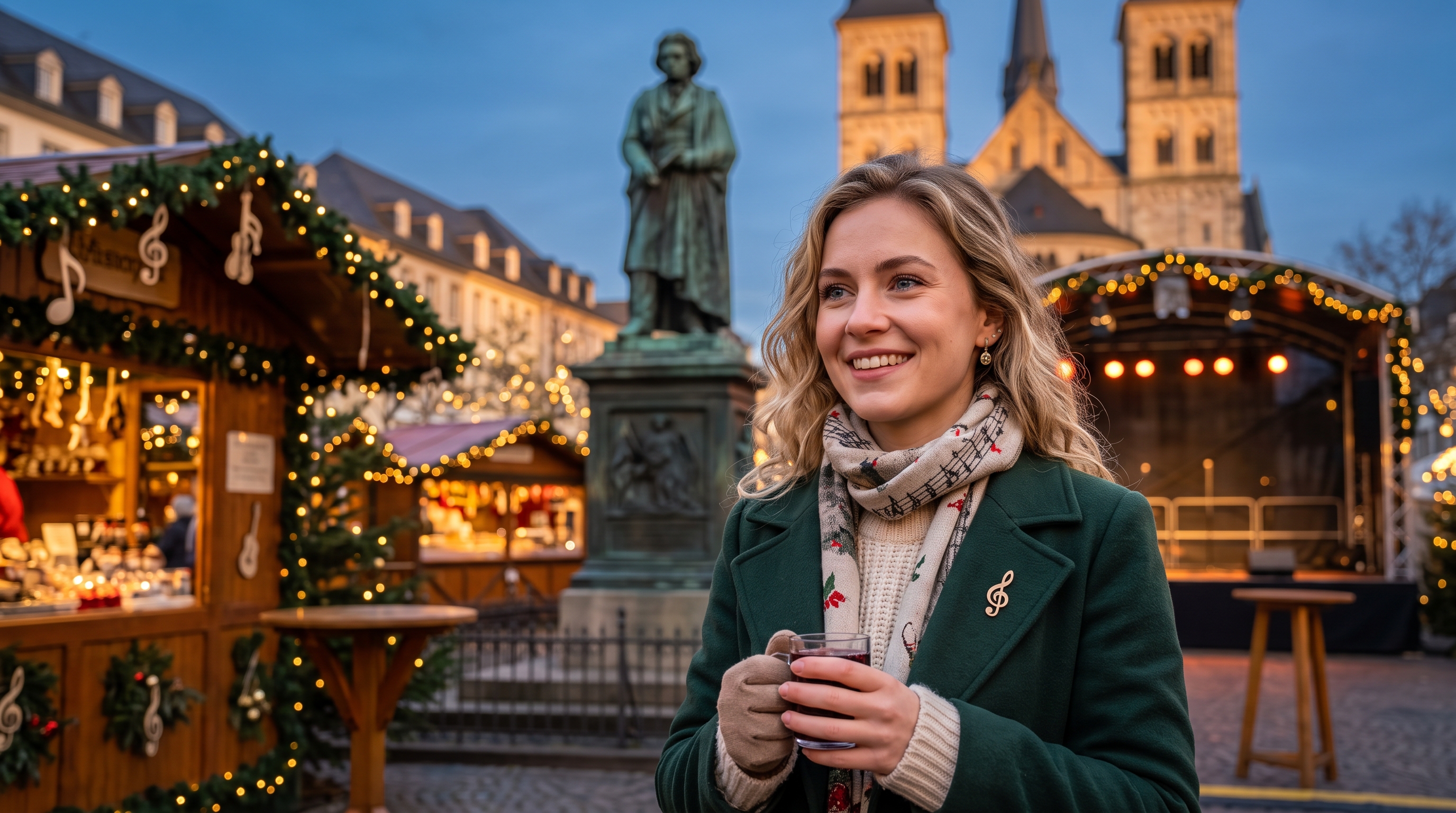
Bonn Christmas Market 2026 – Dates, Program & Visitor Guide
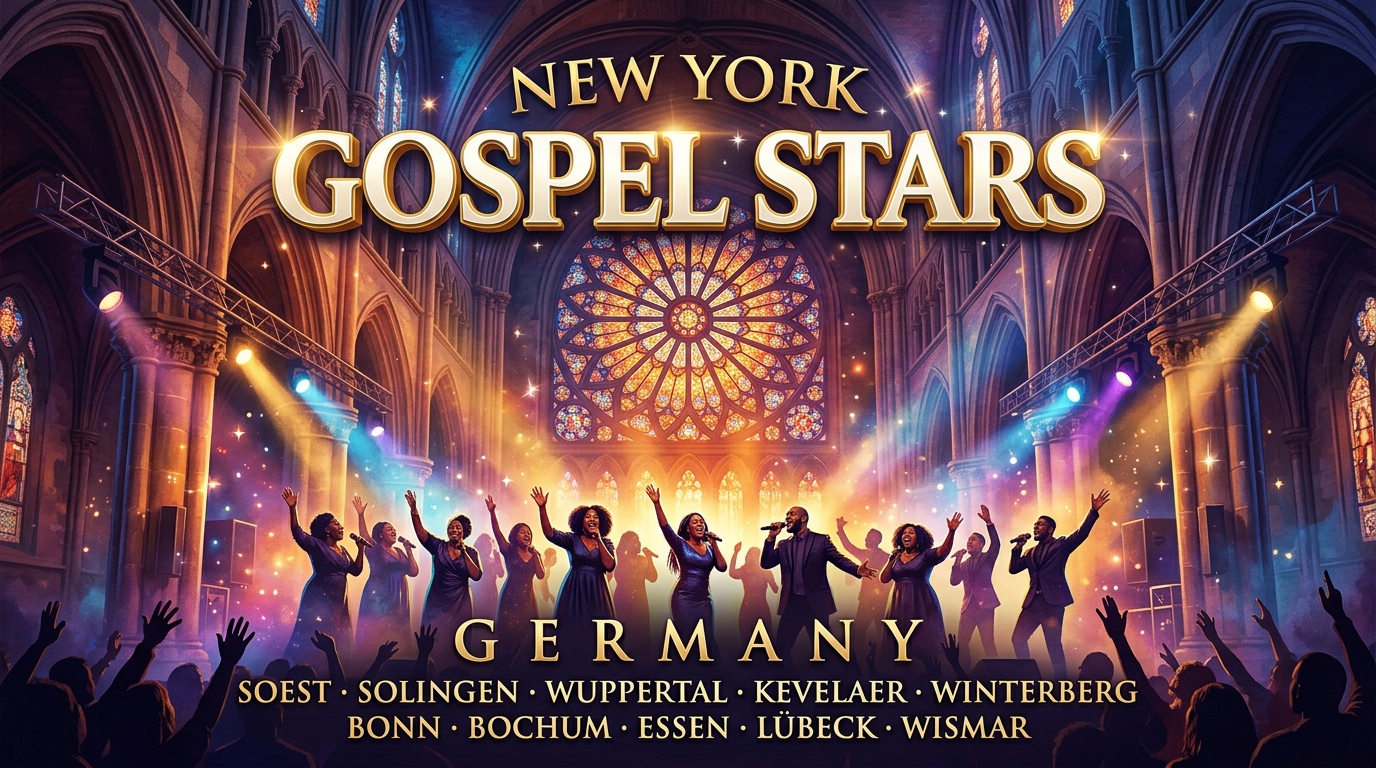
New York Gospel Stars 2026 in Bonn: Gospel Concert at the Kreuzkirche
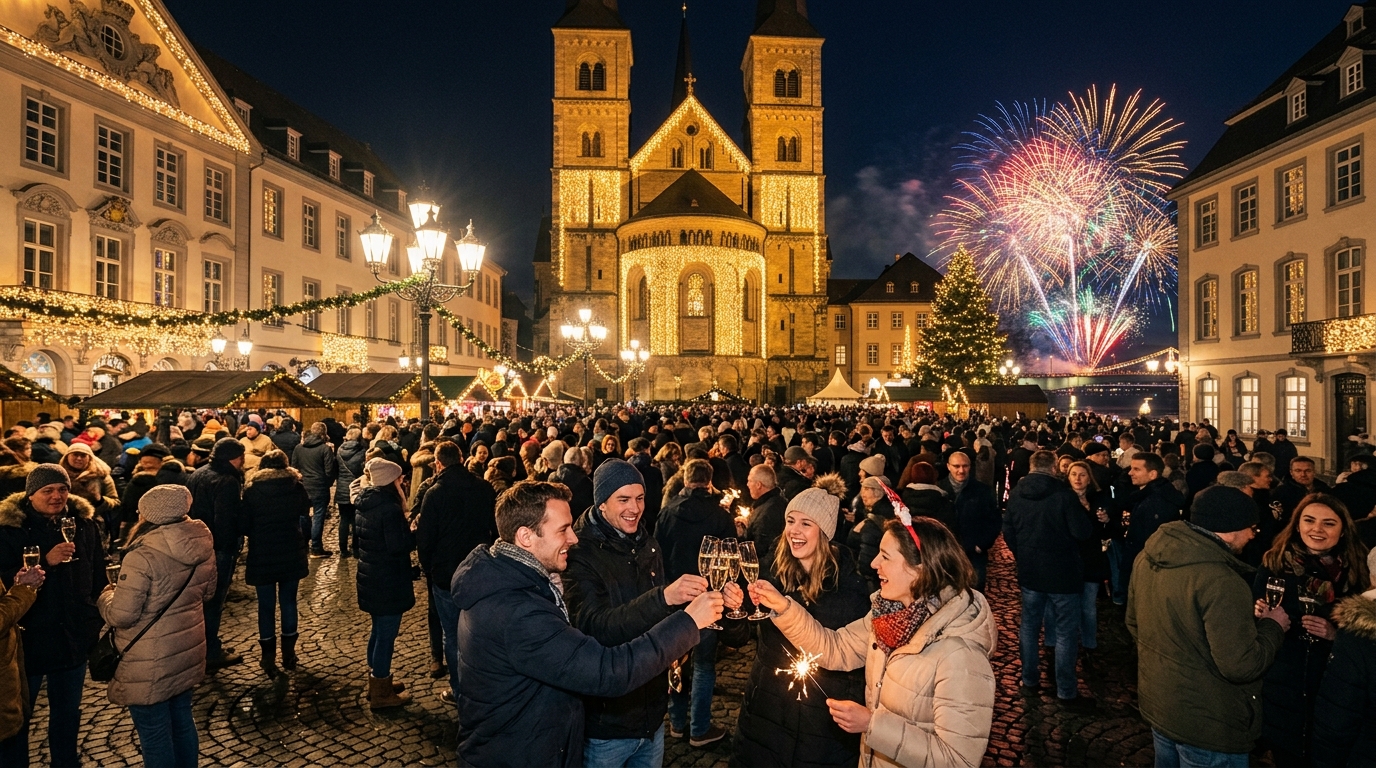
New Year's Eve in Bonn 2026/2027: Celebrations, Fireworks & Events
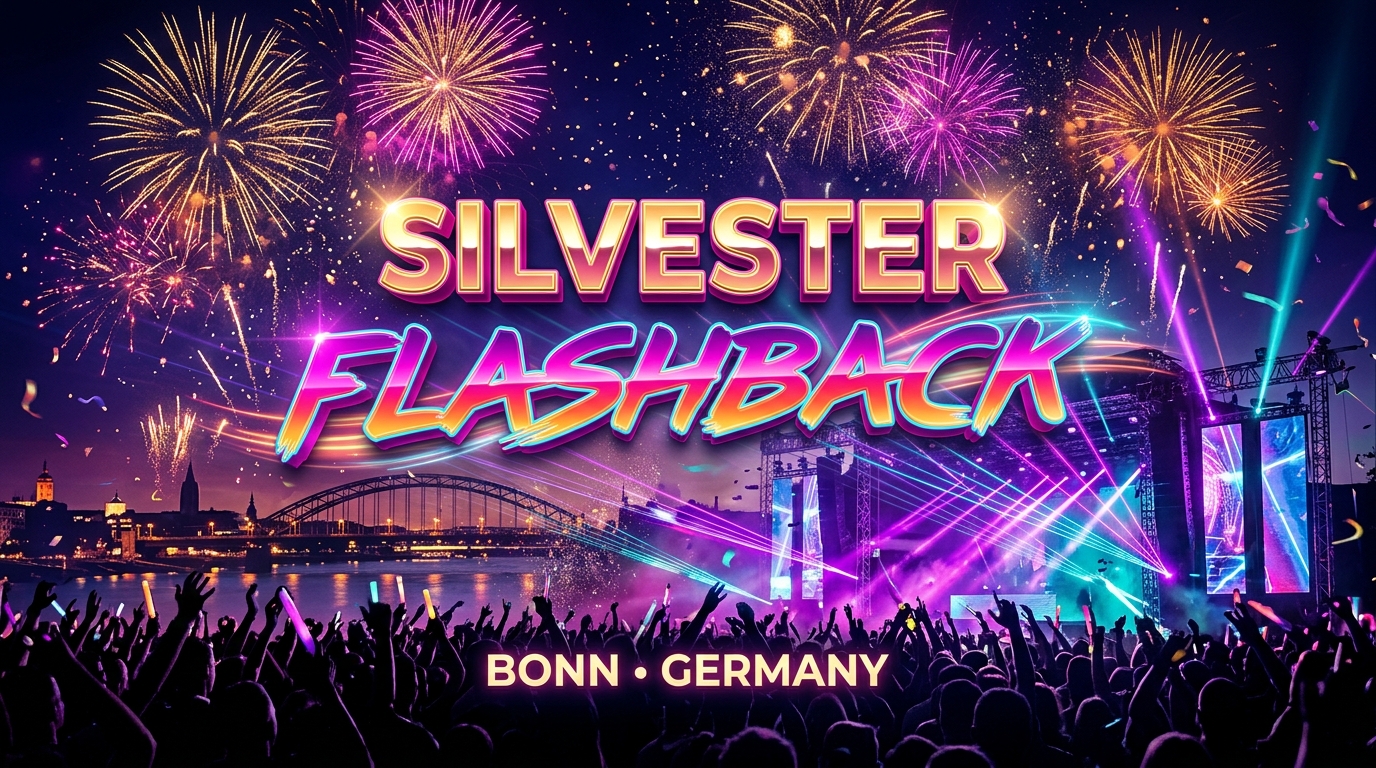
Silvester Flashback 2026 – 80s & 90s Party at Brückenforum Bonn
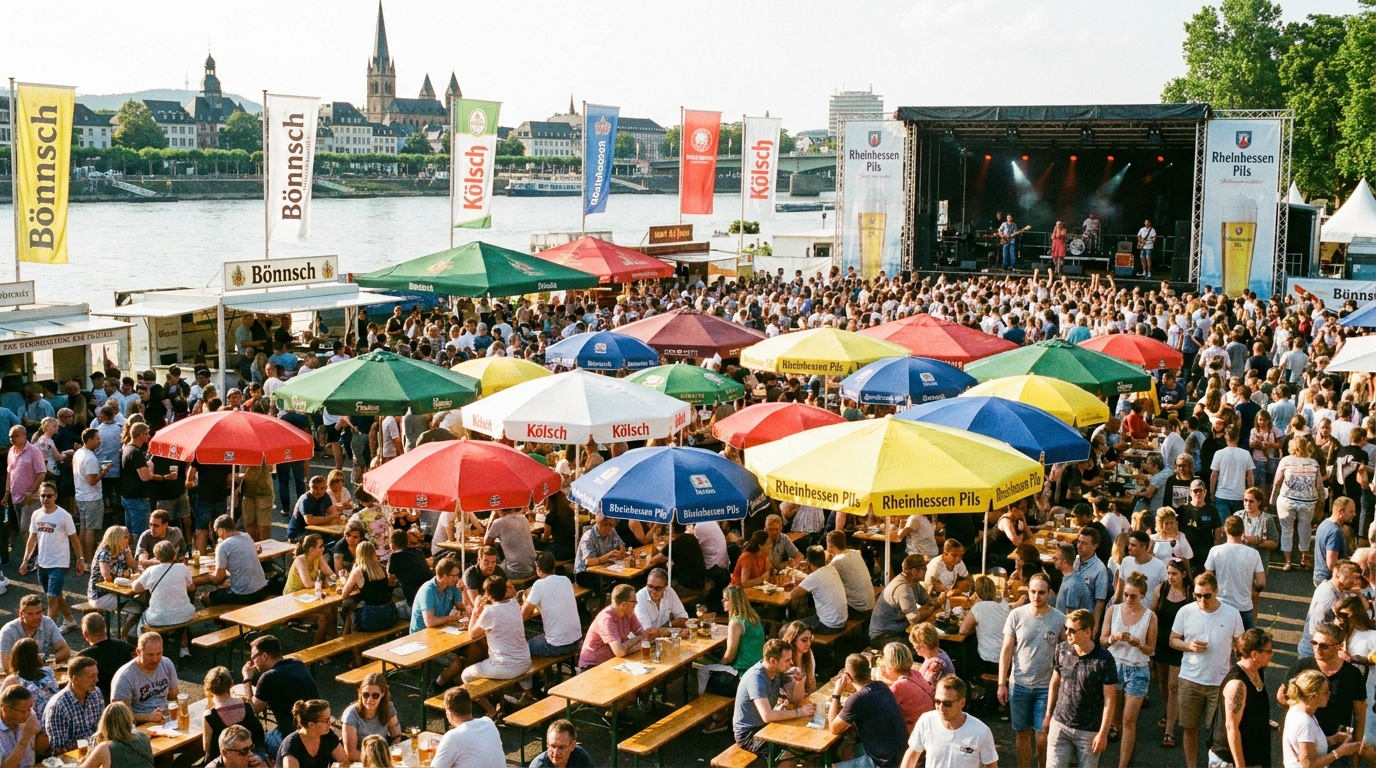
Bonner Bierbörse 2027 – 30th Edition at Rheinaue Leisure Park